


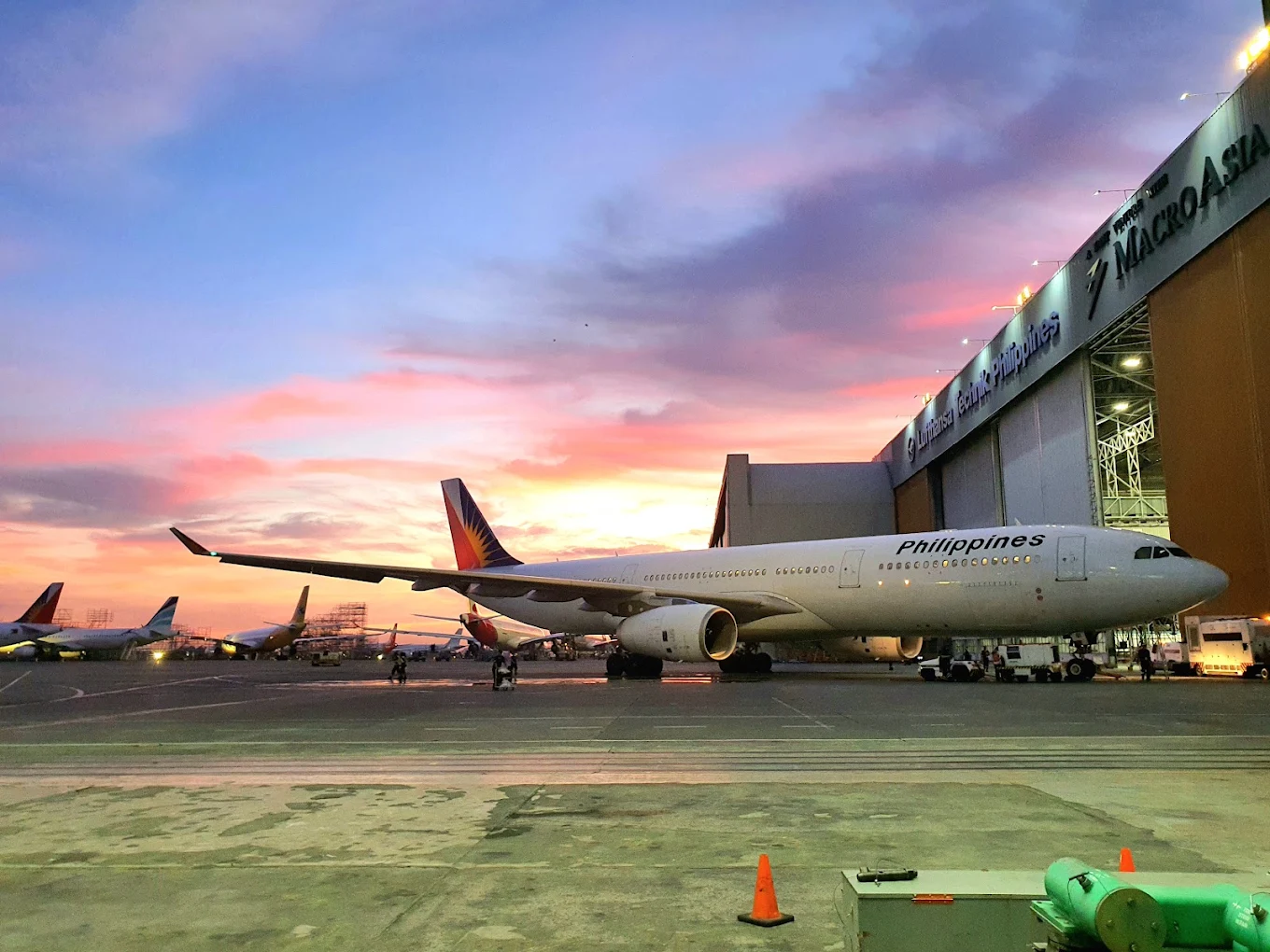
Lufthansa Technik Philippines (LTP) has officially broken ground on its second major aircraft maintenance facility at Clark International Airport, marking a transformative moment for the country's aviation industry. The 157,000-square-meter facility represents a three-digit-million-dollar investment—approximately PHP 15 billion—and will create around 1,200 highly skilled technical jobs for local aircraft mechanics, engineers, and support staff when operations begin in 2028.
A Three-Digit Million-Dollar Investment in Clark's Aviation Future
The new facility, located within the Clark AeroDistrict, will offer capacity for up to nine widebody aircraft bays, dramatically expanding the country's maintenance, repair, and overhaul (MRO) capabilities . It will feature aircraft maintenance hangars, a paint shop, and non-destructive testing workshops, initially supporting Airbus and Boeing widebody aircraft with plans to expand to include the Airbus A350 and Boeing 787 .
The project is a joint venture between Lufthansa Technik AG and the Philippines' MacroAsia Corporation, which together have operated Lufthansa Technik Philippines for over 25 years at Ninoy Aquino International Airport in Manila . LTP currently employs over 3,125 highly skilled personnel and specializes in base maintenance for Airbus A320, A330, A340, A380, and Boeing 777 aircraft, including major structural modifications and cabin reconfiguration programs . The Clark expansion will allow the company to service more aircraft without the congestion constraints of the capital.
Boosting Clark AeroDistrict and Regional Competitiveness
The groundbreaking accelerates LIPAD's master plan to transform the Clark Freeport Zone into a world-class aviation and logistics city. Once operational, the Clark facility will complement LTP's long-standing Manila base, forming a powerful hub for widebody aircraft MRO that strengthens Lufthansa Technik's presence in the Asia-Pacific region . The company's CEO, Soeren Stark, emphasized that Asia-Pacific is one of the fastest-growing aviation markets in the world, and the Philippines are central to the company's strategy in this region . By positioning Clark as a premier aerospace hub, the Philippines can capture a larger share of the booming Asia-Pacific commercial aviation maintenance market, competing directly with established hubs in Singapore and Malaysia.
