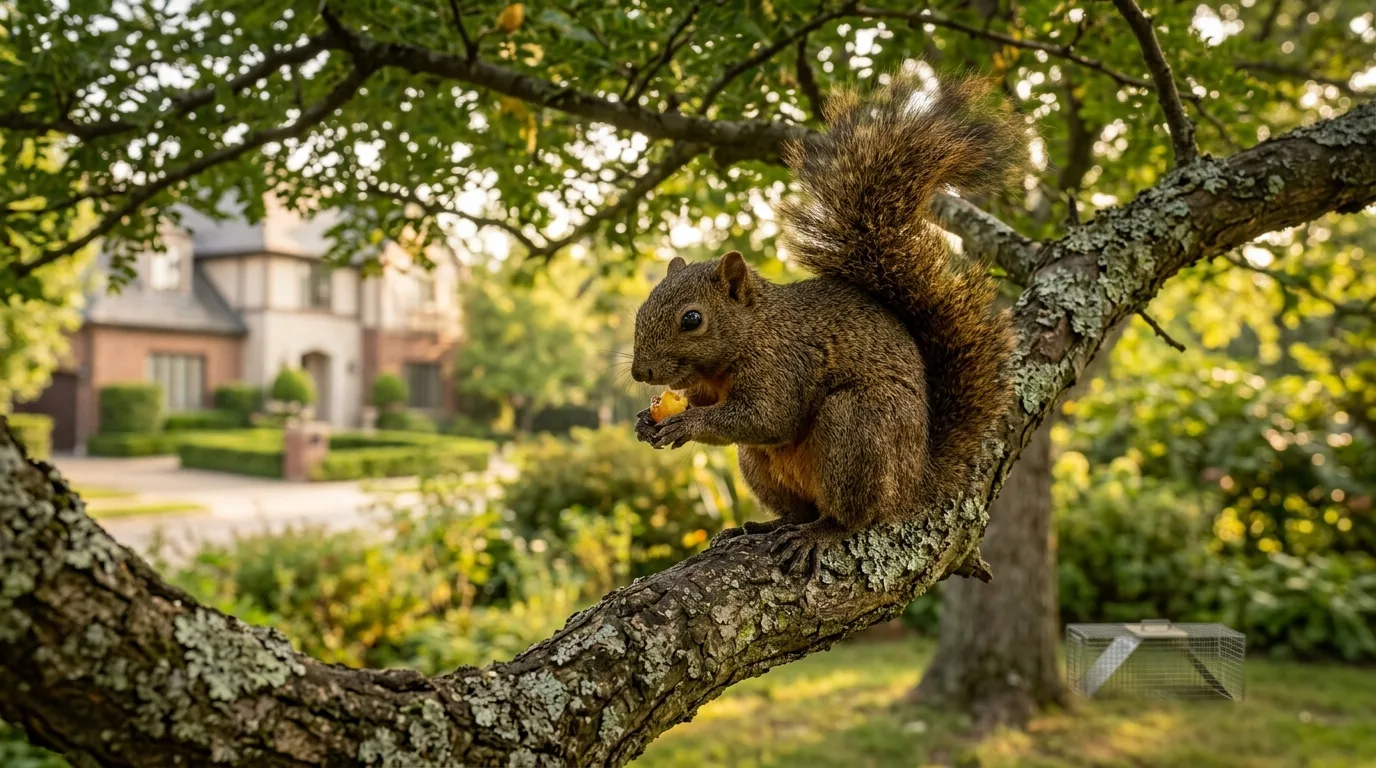
MAKATI CITY — The increasing presence of Finlayson’s squirrels in some of Metro Manila’s most prestigious villages has prompted a swift, science‑based response from the City Government. A recent training program is equipping local staff with the skills to manage the population, ensuring the safety and beauty of these exclusive residential areas.
Protecting the Value of Green, Peaceful Neighborhoods
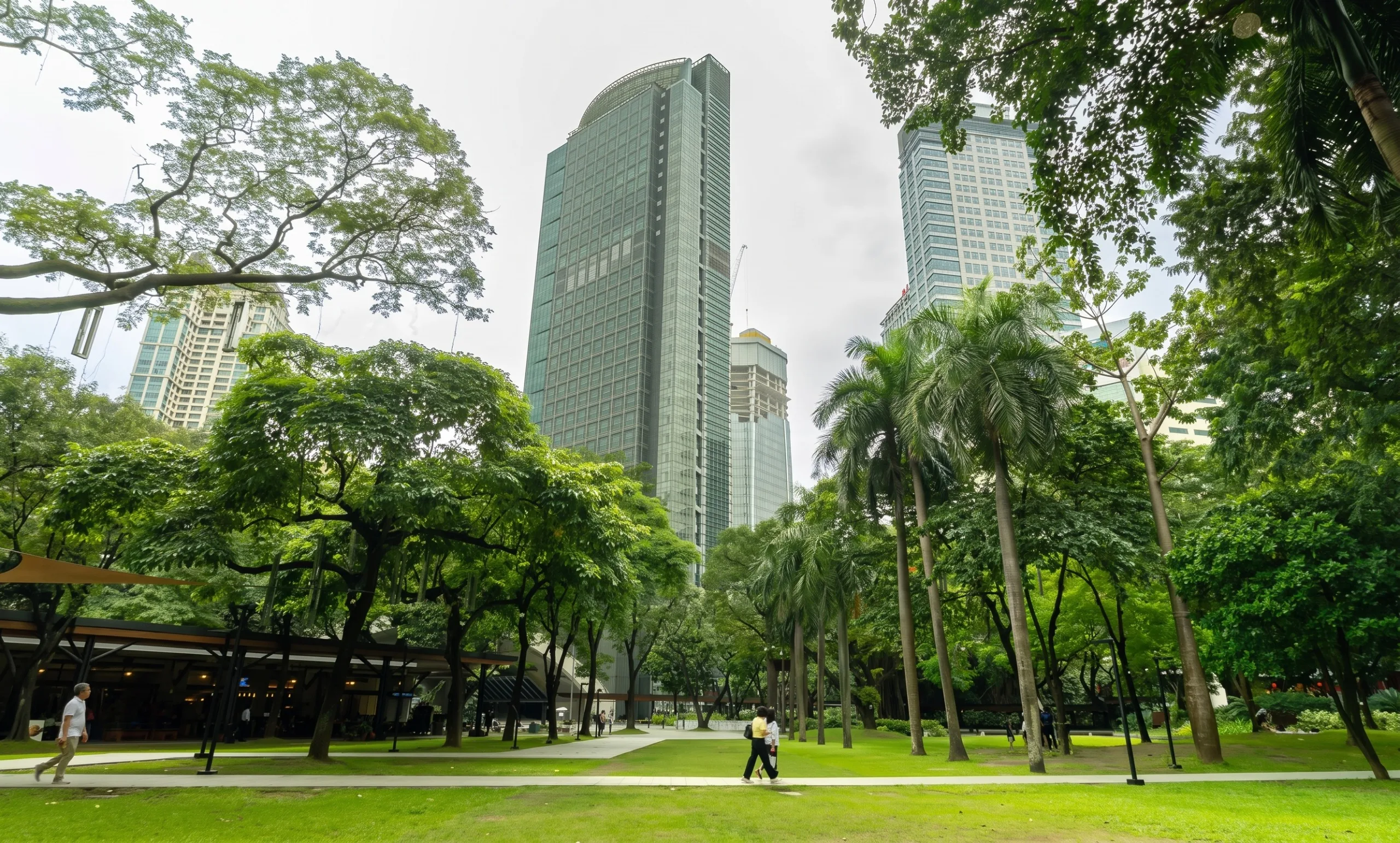
The lush canopies of Forbes Park, Dasmariñas Village, Urdaneta, and San Lorenzo are defining features of their high property values. The squirrels, while charming to some, have been known to strip bark from mature trees, potentially threatening the very landscapes that make these communities so desirable. By intervening early, the LGU helps preserve the mature gardens and shaded streets that are a hallmark of these villages.
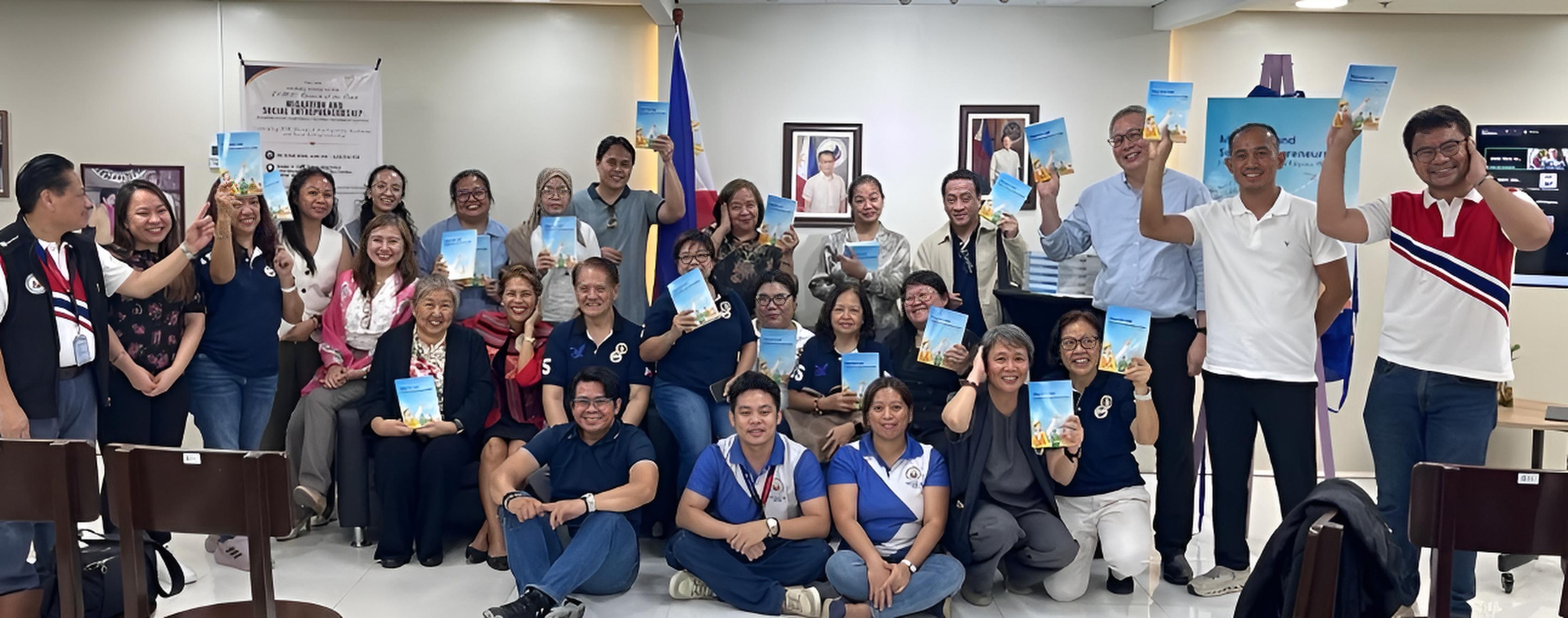
The Department of Environmental Services (DES) and the Makati Veterinary Services Department (MVSD) partnered with experts from the Department of Environment and Natural Resources (DENR) to deliver a hands‑on training on humane population management. Participants from six villages learned to build specialized traps and prepare safe, effective baits. This approach balances ecological responsibility with the need to maintain peaceful, well‑kept surroundings.
Securing Modern Utilities and Resident Comfort
Beyond the greenery, the training addresses a quiet but real nuisance: squirrels chewing on electrical wires, fiber‑optic cables, and even finding their way into attics. Such activity can lead to unexpected power interruptions or costly repairs. By equipping barangay staff to address the issue, the program helps maintain the seamless, uninterrupted lifestyle that residents of these areas have come to expect.
The initiative also offers peace of mind. Knowing that a system is in place to humanely manage wildlife allows homeowners to enjoy their gardens and homes without worry. For potential buyers, this level of community management is a strong signal that the village association and the city government are proactive about preserving a high quality of life.
A Proactive, Science‑Led Approach
Led by experts from the DENR-Biodiversity Management Bureau, including Ms. Pola Geneva A. Bumanglag and Dr. Michael Angelo S. Sevilla, the training emphasized the legal and humane treatment of animals. The goal is to control the population responsibly, never to harm them unnecessarily. This careful method ensures that the community’s actions are in line with environmental laws and reflect the sophistication of the residents.
The collaboration between Barangay Forbes Park Chairman Evangeline T. Manotok, Barangay Urdaneta Chairman Leonard Y. Alandy‑Dy, Barangay San Lorenzo Chairman Jose Emmanuel A. Recto, and other leaders demonstrates a unified front. The presence of top officials from the DES and MVSD further highlights the importance the city places on this initiative. This is a model of how a premium urban environment can address ecological challenges through expertise and cooperation.
Long‑Term Benefits for Makati’s Residential Market
For the real estate market, the program’s success means protected landscaping, reduced risk of property damage, and a continued sense of security that buyers in this segment demand. A well‑managed community, where even the smallest details like pest control are handled proactively, naturally commands higher property values and attracts discerning investors.
Makati’s willingness to address the squirrel issue head‑on reinforces its reputation as a well‑governed, forward‑thinking city. For homeowners, it’s one more reason to feel confident that their investment is in good hands. The training ensures that the charm of village life remains intact, undisturbed by the unintended consequences of a growing wildlife population.