CITY OF SAN FERNANDO, Pampanga — The Municipality of Mexico moved a step closer to establishing its own autism facility after officials visited the San Fernando Center for Autism and Neurodiversity (SFCAN) on July 16, 2026. The delegation studied every detail of the pioneering center, hoping to replicate its success for residents with autism spectrum disorder.
A Benchmarking Mission with a Clear Purpose
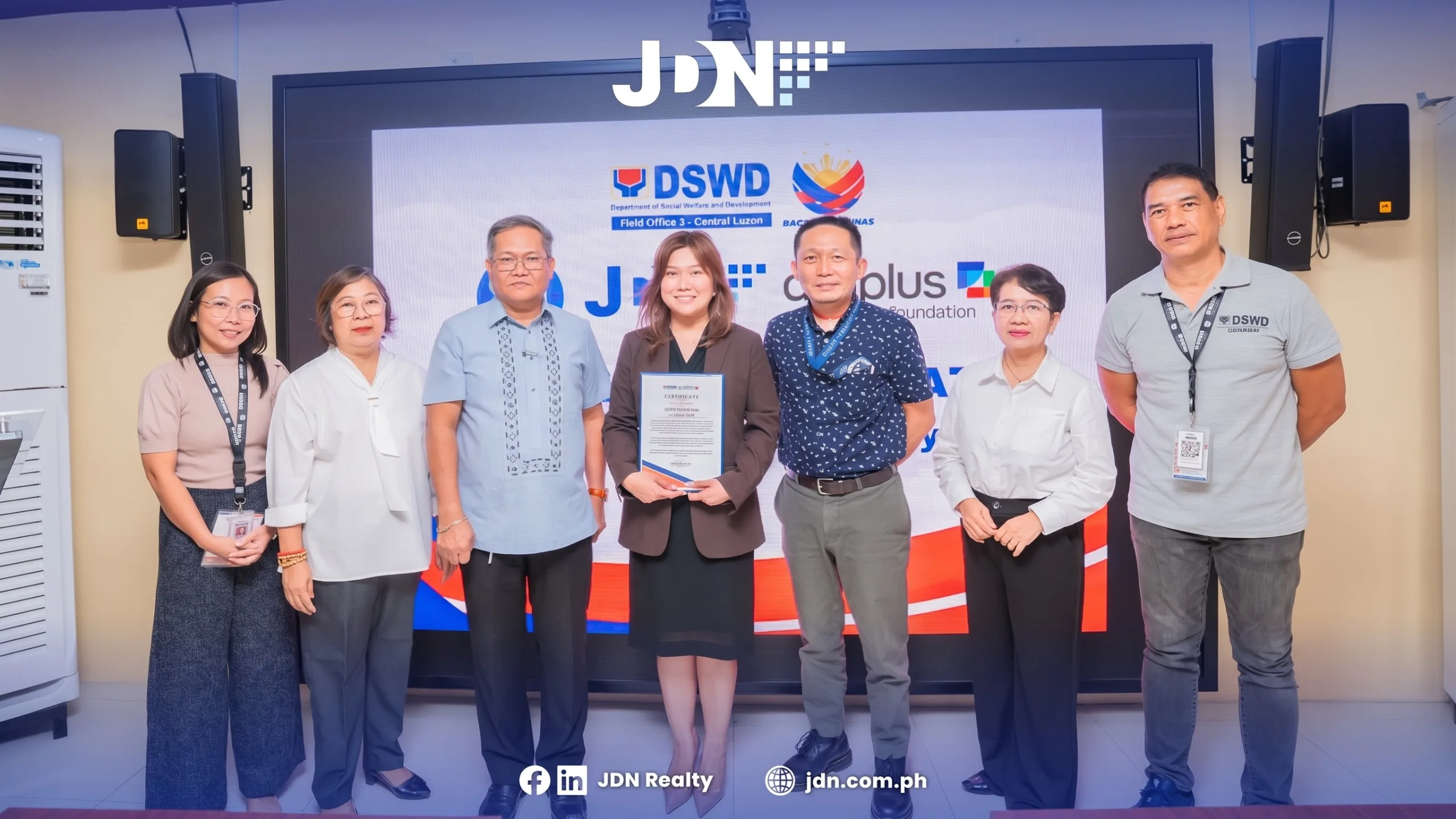
Municipal Councilors Allaine Ramos, Atty. Ma. Angela Pangan, and Vince Balajadia led the Mexico delegation, accompanied by several department heads. They were received by Mayor Vilma Balle‑Caluag and City Councilor Reggie David. The session covered the center’s founding story, funding mechanisms, and profiling procedures, leaving no operational question unanswered.
Acting CPDAO Mary Ann Biliwang and Acting CSWDO Canneth Mangalus facilitated the technical briefing. The visitors listened intently as San Fernando officials broke down how the center transitions from assessment to intervention. Atty. Pangan described the activity as a significant step toward advancing inclusive public service in their own municipality.
SFCAN: A Regional Trailblazer
The SFCAN, established in December 2025 under Mayor Caluag’s leadership, is the first government‑funded autism center in Central Luzon. It was created through a local ordinance authored by Councilor Harvey Quiwa, who envisioned a facility that bridges the gap between diagnosis and meaningful intervention. Since opening, the center has already conducted developmental assessments for over 700 neurodivergent Fernandinos.
The center operates as a “home of hope” for families who previously had no access to affordable, specialized care. Its rapid impact has drawn attention from neighboring towns seeking to address similar gaps. Mexico is the latest community to recognize that early and sustained support can change the trajectory of a child’s life.
Four Pillars of Holistic Support
San Fernando officials walked the delegation through SFCAN’s four core pillars. Clinical services include early detection, developmental screenings, occupational therapy, and cognitive interventions that start as soon as a concern is flagged. The center ensures that no child waits months for a critical evaluation.
The education and skills training pillar focuses on structured learning plans, sensory integration, and social communication workshops. A dedicated family support program empowers parents and caregivers with behavior management techniques and peer support groups. The fourth pillar covers administration and inter‑agency training for teachers and health workers, ensuring the entire community ecosystem is strengthened.
Personal Stories Fuel Public Service
The briefing took on a deeply personal tone as Mayor Caluag and CPDAO Biliwang shared their firsthand experiences with the neurodivergent community. They recalled the struggles of families who had nowhere to turn before the center existed. These real‑world encounters, they said, became the driving force behind the investment and political will to build SFCAN.
The Mexico delegation listened closely, recognizing that the success of such a center depends on more than just a building. It requires empathy, legislative backing, and a genuine understanding of the families it serves. The exchange of these stories proved as valuable as the technical data shared.
A Ripple Effect Across Pampanga
After the discussions, the visitors toured the SFCAN facility at the Heroes Hall Compound, observing therapy rooms and sensory‑friendly spaces. The experience gave them a concrete picture of what their own center could look like. San Fernando’s willingness to share its blueprint signals a collaborative spirit that could reshape disability services across the province.
Mexico’s initiative, inspired by SFCAN, promises to extend the reach of neurodiversity care to more families. The benchmarking visit demonstrates that inclusive public service is most powerful when it is shared and replicated.