CABADBARAN CITY, CARAGA — Representatives from the National Museum of the Philippines–Butuan and its Archaeology Division paid a courtesy visit to the City Government here on August 13, 2026. The meeting focused on the upcoming archaeological fieldwork that aims to uncover evidence of early human life in the region.
A Meeting of Minds on Heritage
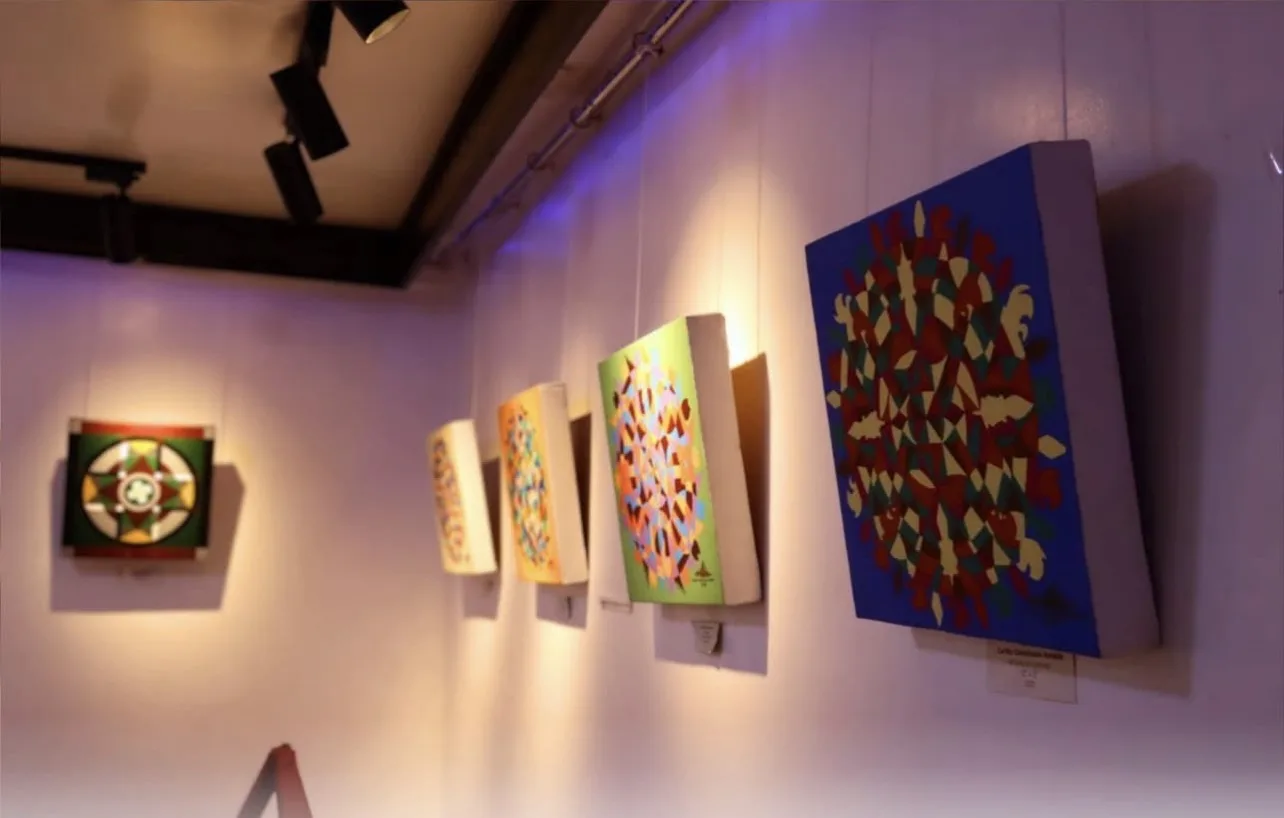
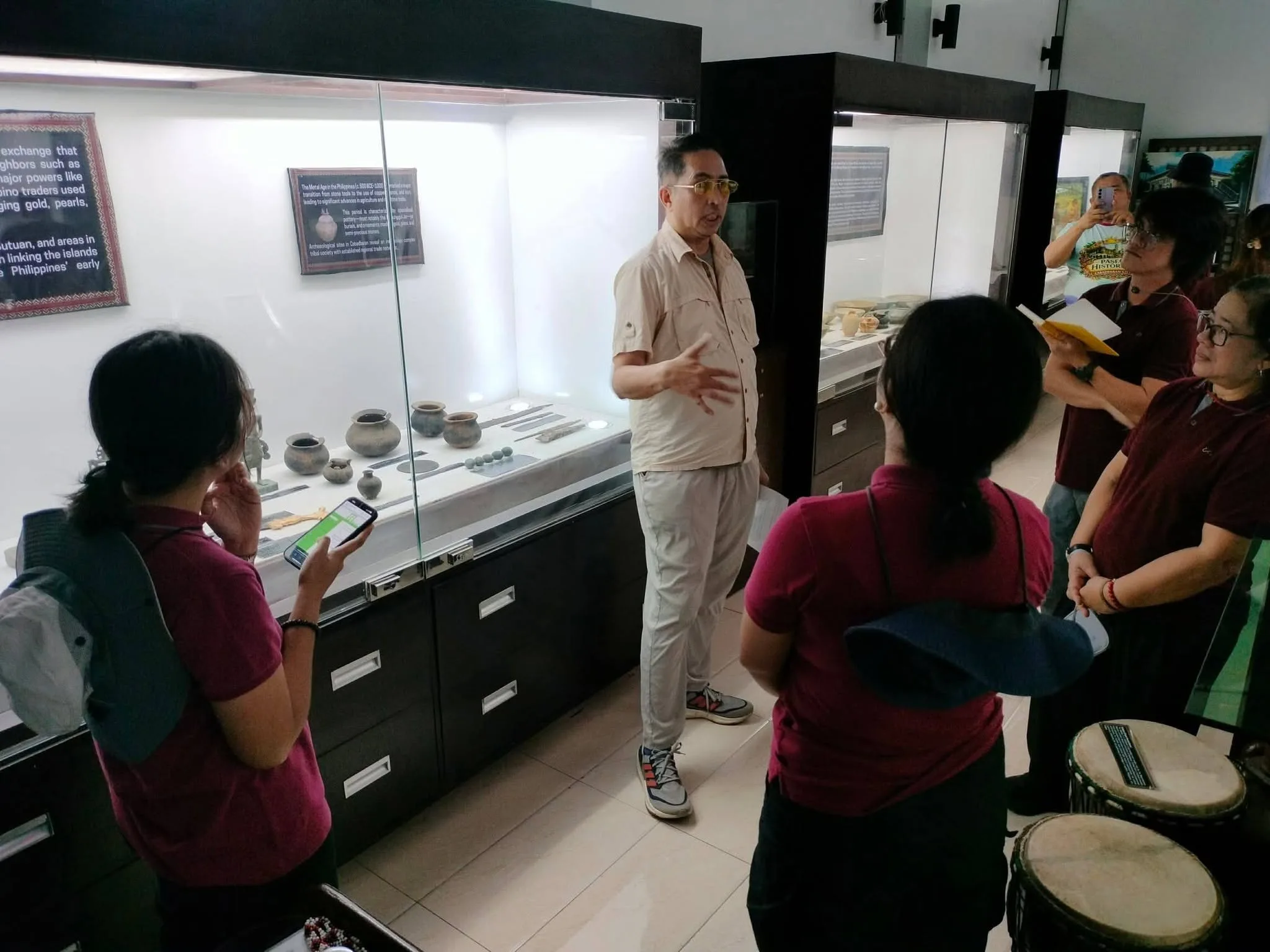
The delegation met with local officials to discuss the project, “The Archaeological Investigation of the Northeastern Mindanao Region.” This initiative seeks to deepen understanding of how early communities settled, occupied, and transformed the area over centuries. The team also toured the Museo de Cabadbaran, examining its existing artifacts and engaging with the region’s rich cultural narrative.
The visit highlighted the importance of cooperation between national institutions and local governments. By working together, the National Museum and the LGU can effectively protect and study the region’s buried treasures. This partnership ensures that any new discoveries will be properly preserved and studied.
Uncovering the Region's Deep History
The archaeological project holds immense promise for understanding Mindanao’s pre-colonial past. While Butuan is already world-famous for its ancient balangay boats, the surrounding region likely holds more secrets. A formal scientific dig can piece together a more complete picture of early trade, settlement, and daily life.
Cabadbaran itself has a rich history that predates Spanish colonization. Historical records suggest early settlements dating back to as early as 1200 AD. Traces of 12th-century villages have been found along ancient waterways, and past excavations have yielded Chinese ceramics from the 15th and 16th centuries, proving the area was part of a vast trade network.
A Significant Site for Discovery
The city's location and historical context make it an ideal site for this type of investigation. The potential to find earthenware, stoneware, or other artifacts could rewrite local history. Any findings would connect Cabadbaran more directly to the wider story of regional maritime trade and early human innovation.
The Museo de Cabadbaran serves as a vital link between these historical narratives and the present. It acts as the local repository for artifacts and stories, making history accessible to the community. The new fieldwork will likely provide new items and new knowledge to enrich its exhibits.
A Shared Commitment to Preservation
The visit underscored a shared responsibility to protect cultural heritage. The National Museum brings scientific expertise, while the local government offers crucial on-the-ground support and community access. This collaborative model is essential for ensuring that archaeological work is done correctly and that findings remain safe.
By investigating these sites officially, the project also safeguards them from looters or accidental destruction. The ultimate goal is to ensure that the story of Cabadbaran and Northeastern Mindanao is told accurately and preserved for future generations. The visit marks the beginning of an exciting journey into the past.