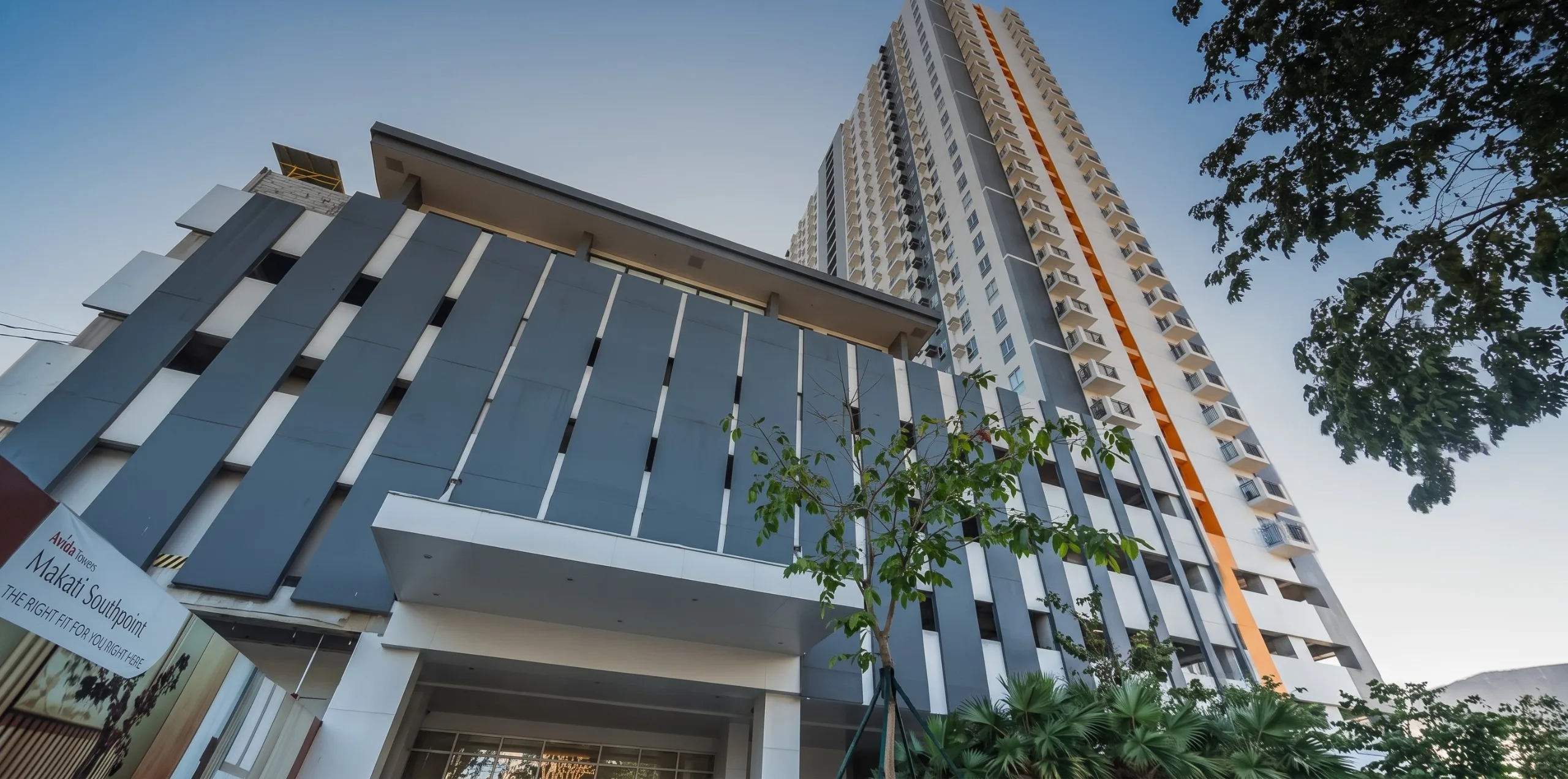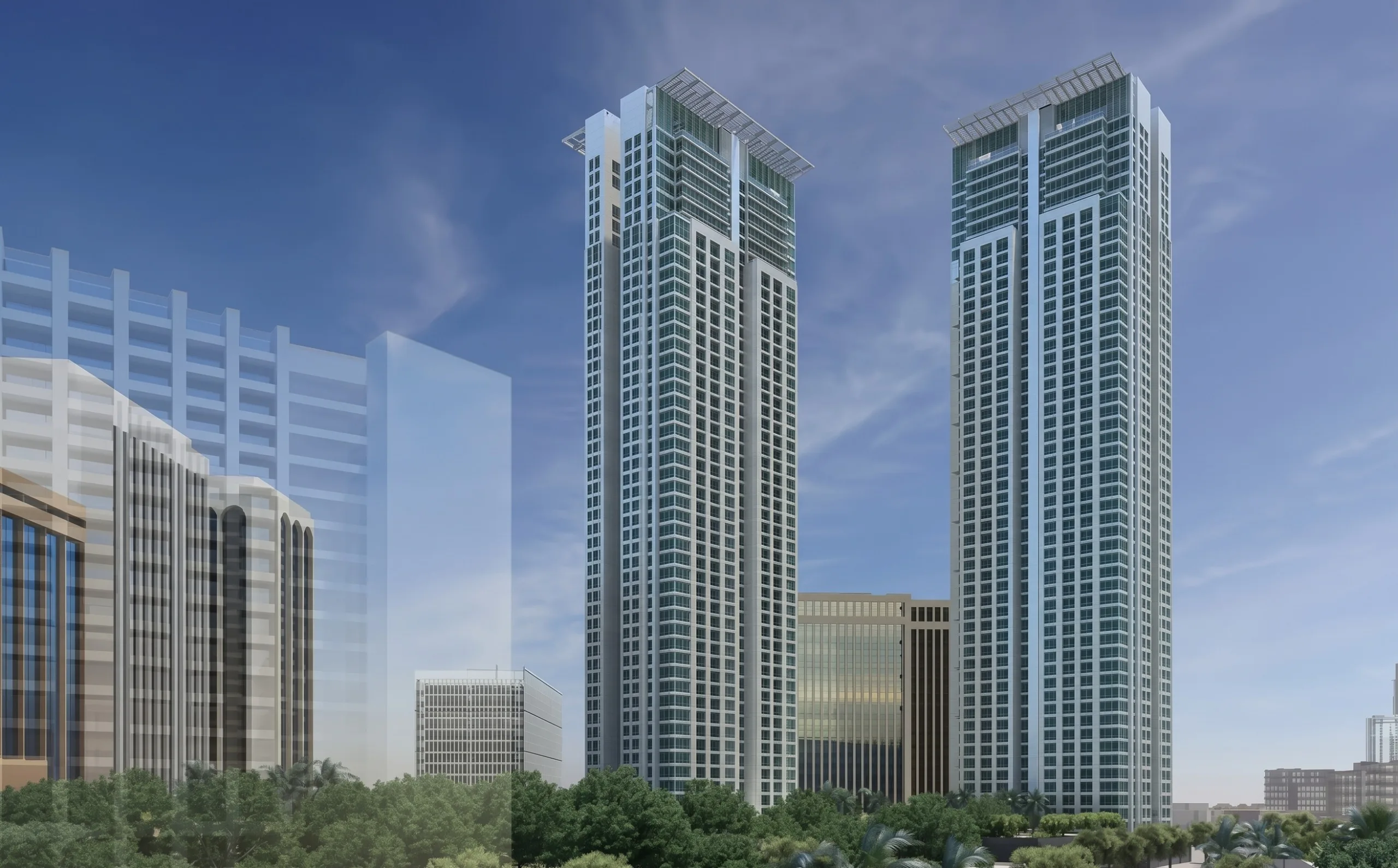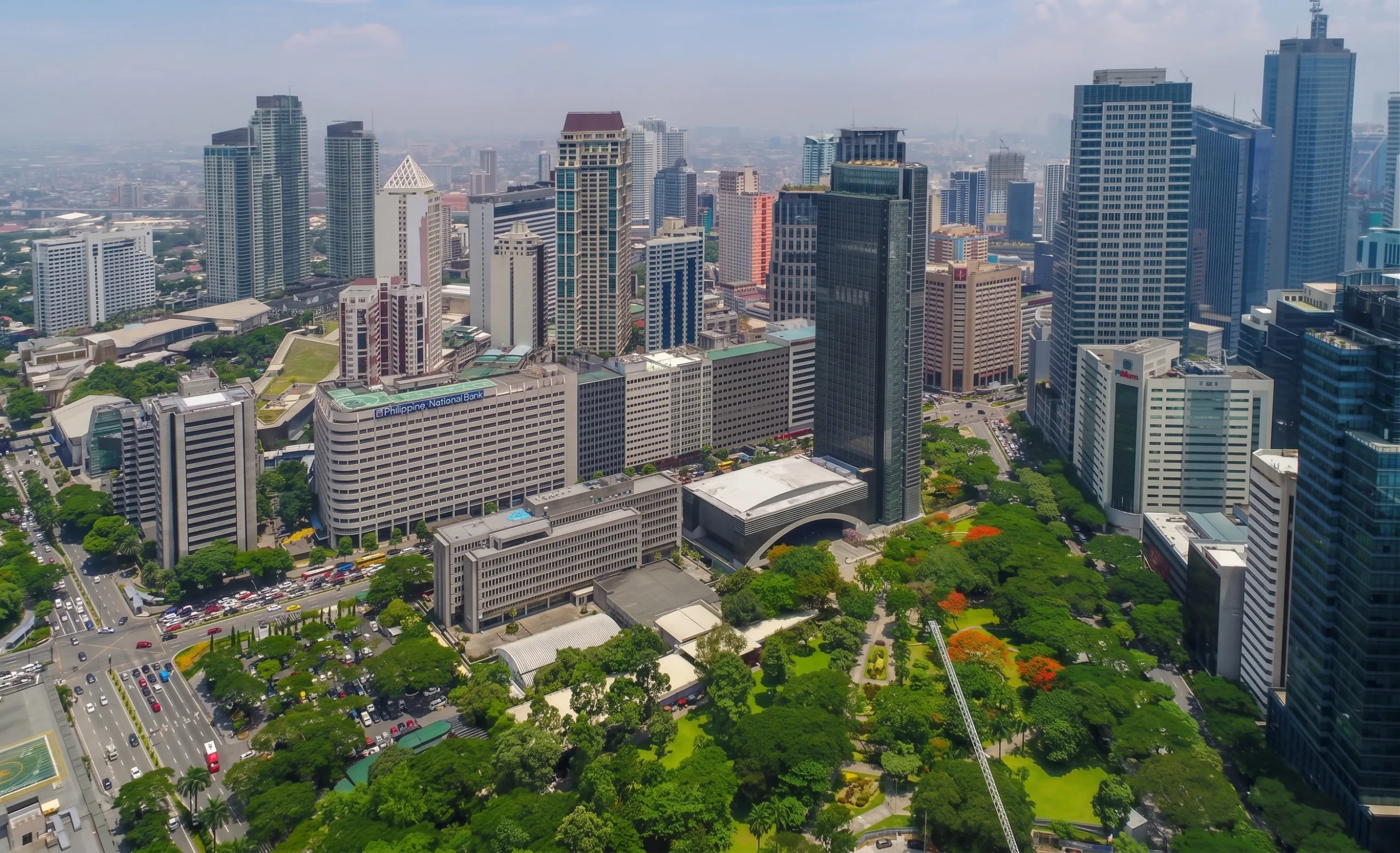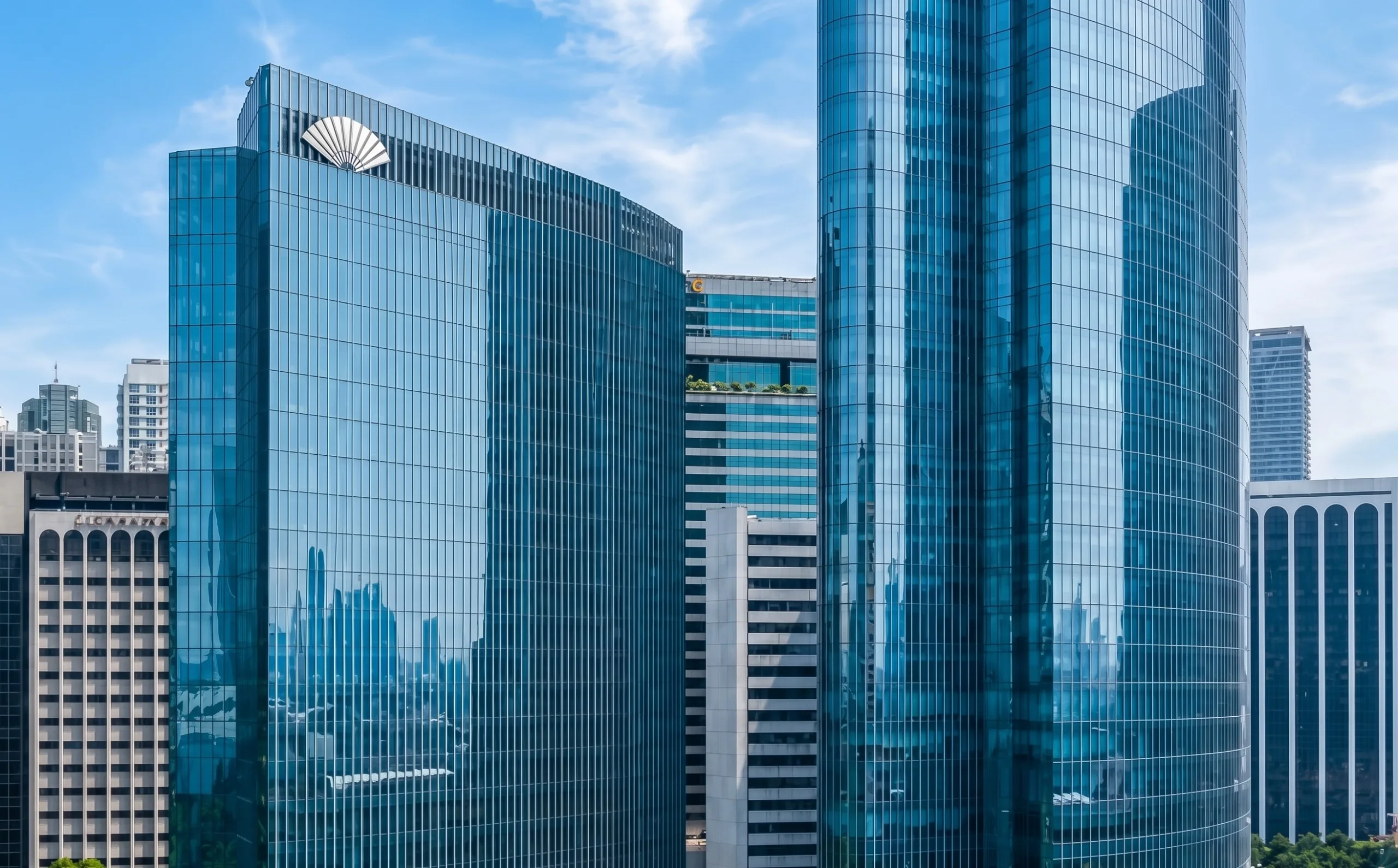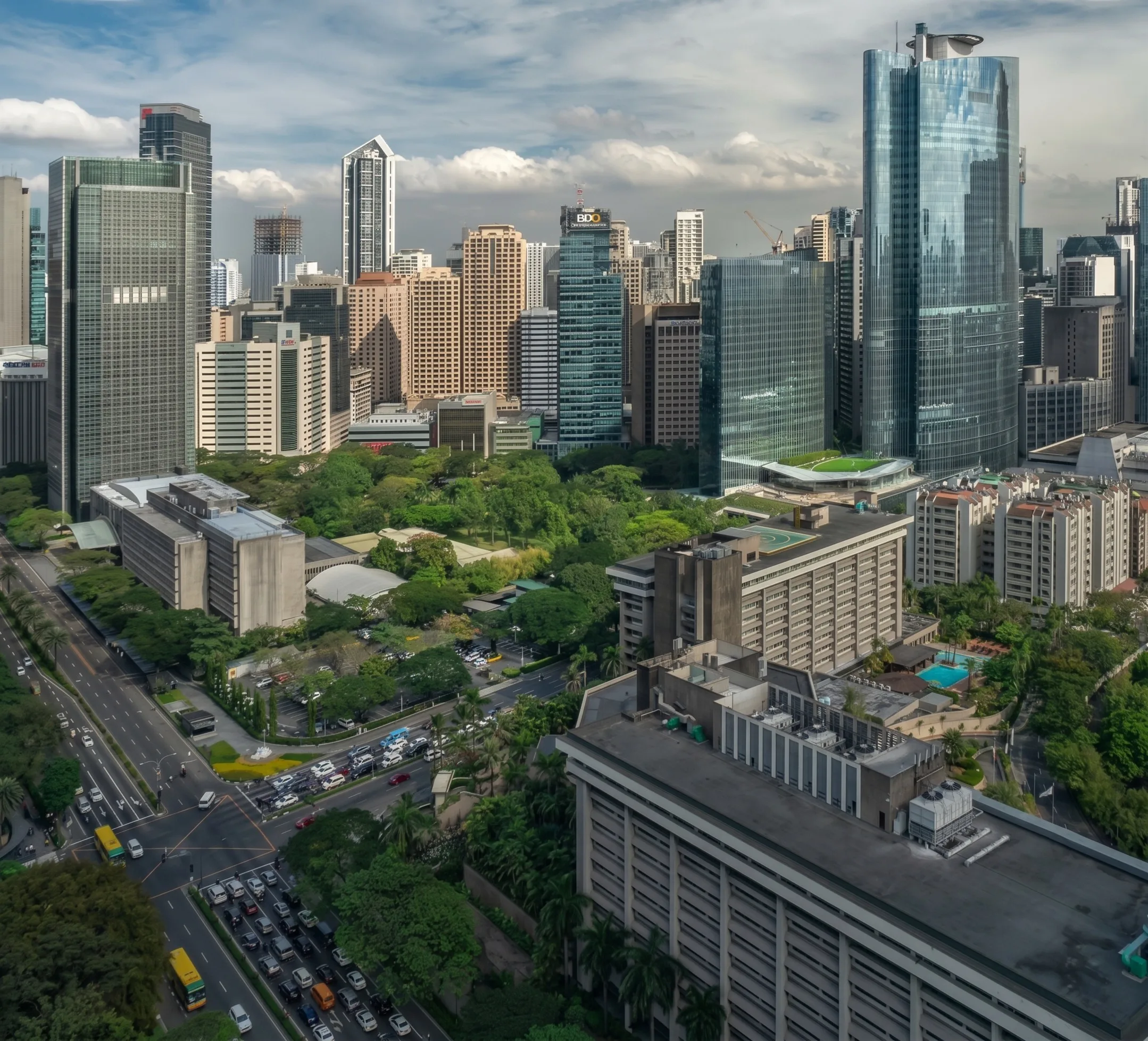
MAKATI CITY — Makati's Central Business District is widely associated with premium property values, major corporate headquarters, and a thriving commercial sector. Yet its lasting appeal as a real estate destination extends beyond business and property metrics. Over the years, the district has evolved into a more complete urban environment where work, leisure, culture, dining, and green spaces exist within a highly connected setting. This transformation has made livability an increasingly important factor for people choosing where to invest or settle. For homebuyers and property investors, the appeal of a neighborhood that offers convenience and quality of life can contribute significantly to a property's long-term attractiveness.
Infrastructure That Connects the District
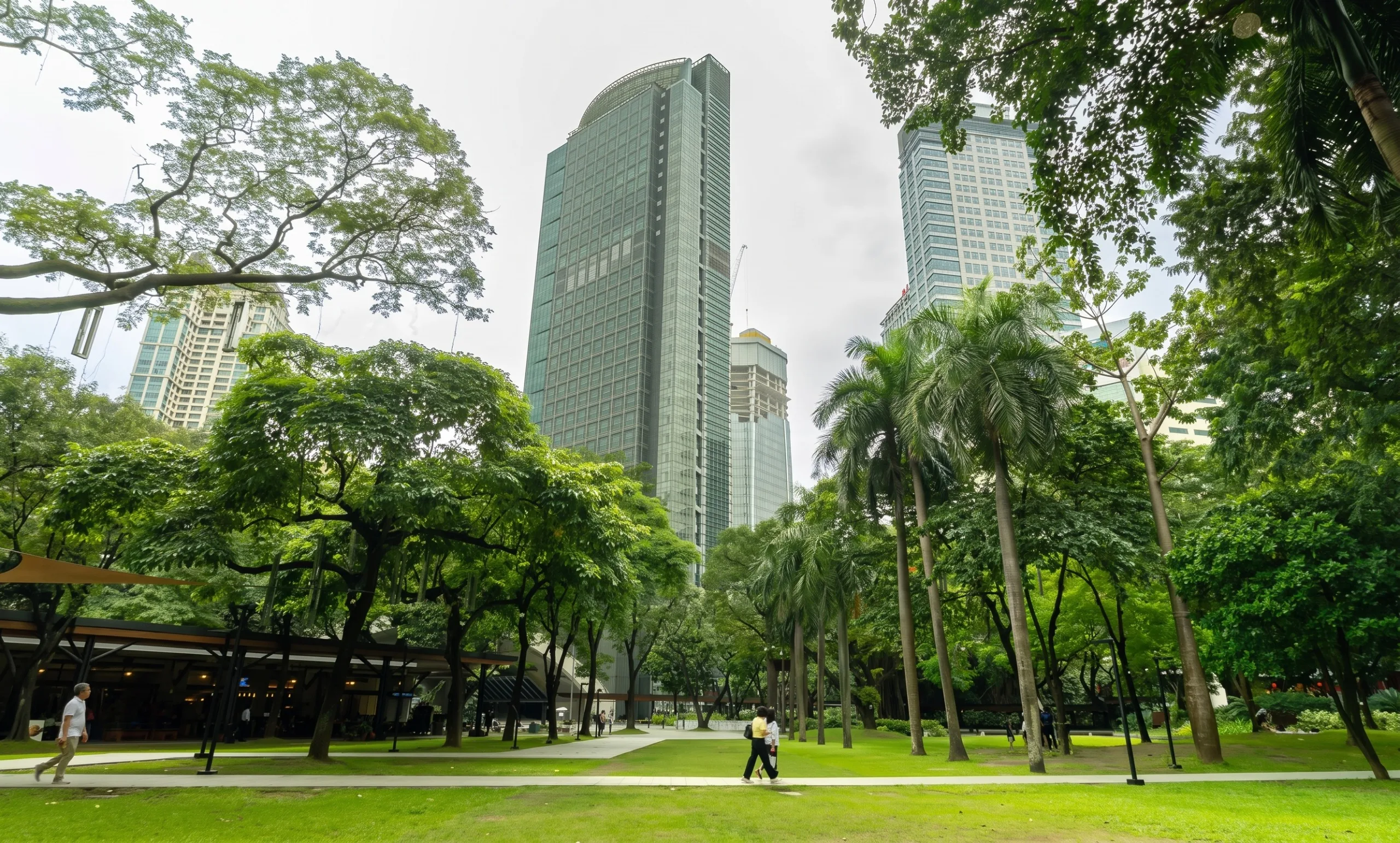
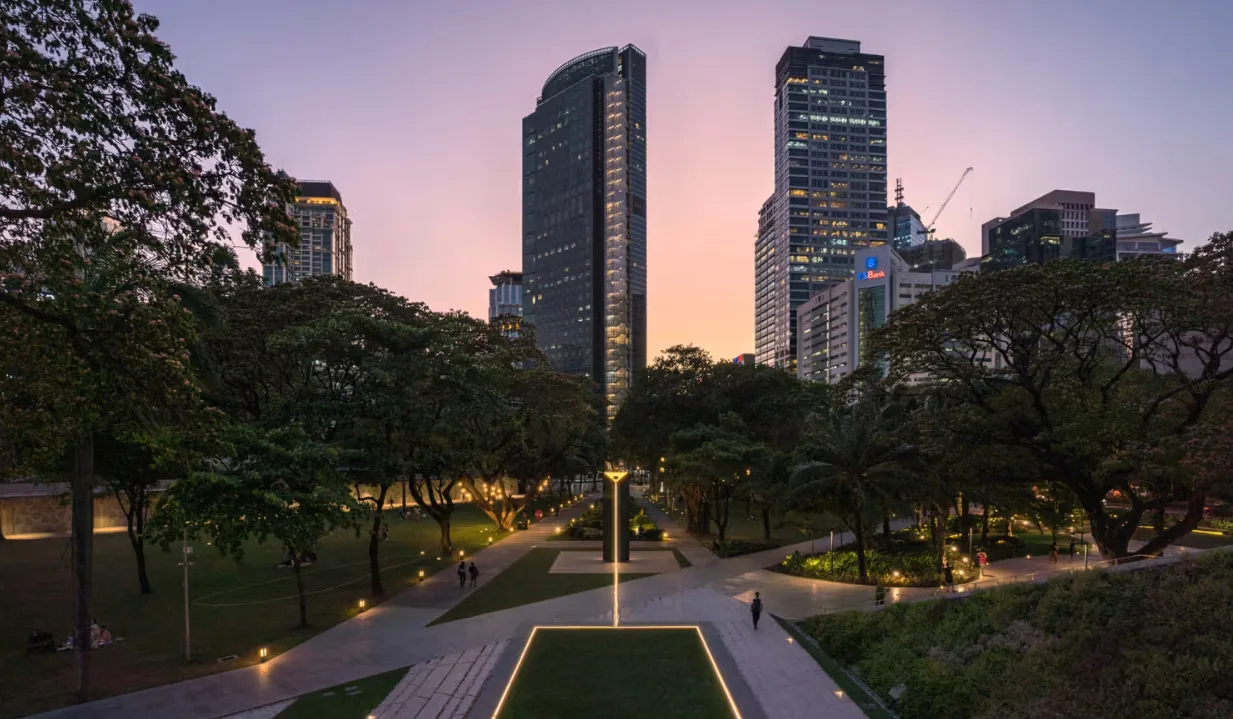
Makati's present-day connectivity is the product of decades of infrastructure planning. Beginning in the 1990s, Ayala Land and the Makati Commercial Estate Association invested in pedestrian infrastructure, including walkways and underpasses, as the district faced increasing congestion. Those efforts have developed into a broader network connecting key destinations such as Greenbelt, Glorietta, Ayala Triangle Gardens, and One Ayala. Wide sidewalks, elevated pedestrian paths, and bike lanes make movement around the district easier, while the MRT and transit-oriented developments such as One Ayala have further strengthened access. For the property market, this connectivity contributes to the district's ability to attract residents, workers, businesses, and visitors. For property owners, accessibility can support continued tenant interest and contribute to rental and resale demand.
Lifestyle Becomes Part of the Property Story
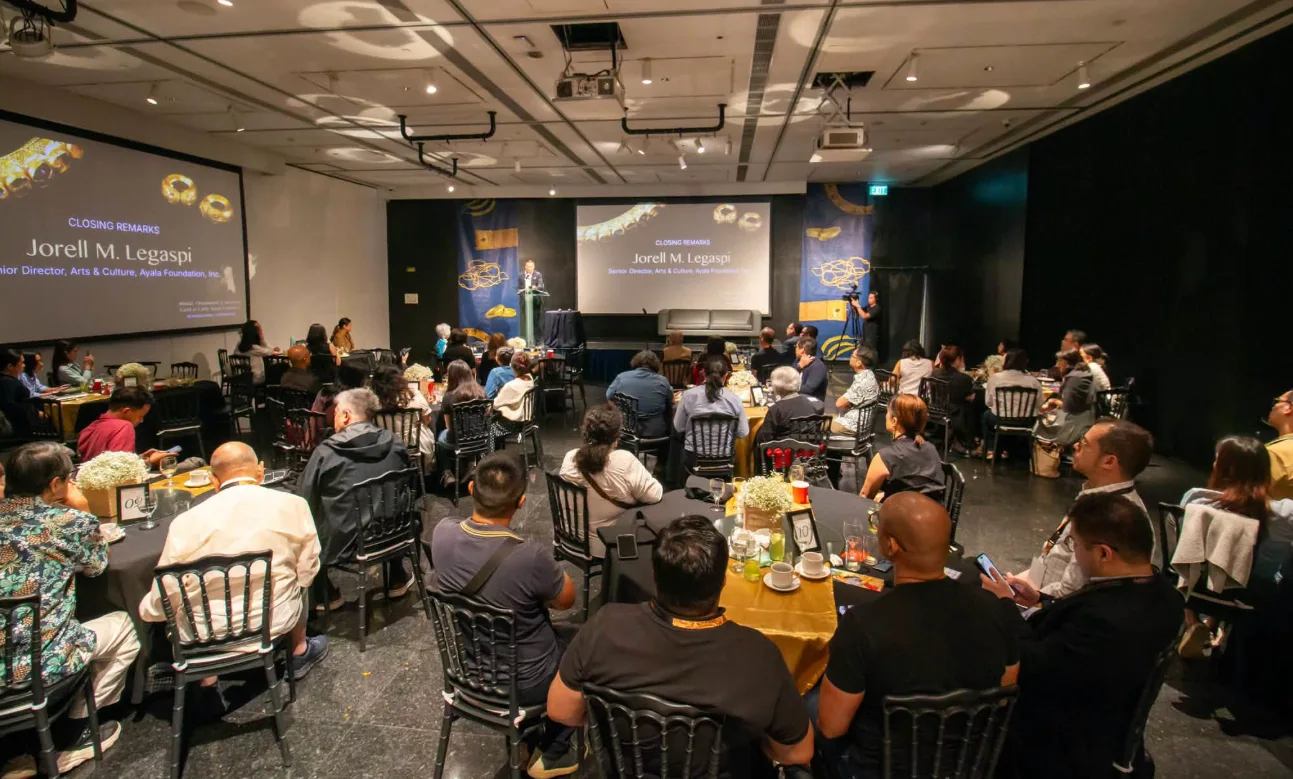
Another defining characteristic of Makati's real estate environment is the lifestyle surrounding its commercial core. Cultural institutions such as the Ayala Museum, Yuchengco Museum, and Museo ng Makati add depth to the city's cultural landscape. Meanwhile, Poblacion has developed into a destination for independent restaurants and nightlife, while Legazpi Village and Salcedo Village offer tree-lined streets, weekend markets, cafés, and specialty dining options. These amenities give people reasons to spend time in Makati beyond their workplaces. The combination of culture, food, recreation, and neighborhood experiences strengthens the district's appeal as a place to live as well as work. For real estate, that lifestyle ecosystem can support demand across residential, commercial, and mixed-use properties.
Decades of Planning Behind Makati's Evolution
Makati's transformation into a live-work-play district was shaped by years of deliberate planning, infrastructure development, and adaptation to changing urban lifestyles. What was once largely viewed as a corporate center operating around the traditional workday has grown into a district where offices, residences, restaurants, cultural venues, retail destinations, and public spaces operate alongside one another. As new business districts continue to emerge across Metro Manila, Makati's established infrastructure and lifestyle network remain central to its position in the city's property landscape. Its story demonstrates how long-term urban planning can influence real estate—not only through the buildings constructed, but through the kind of city environment those buildings become part of.