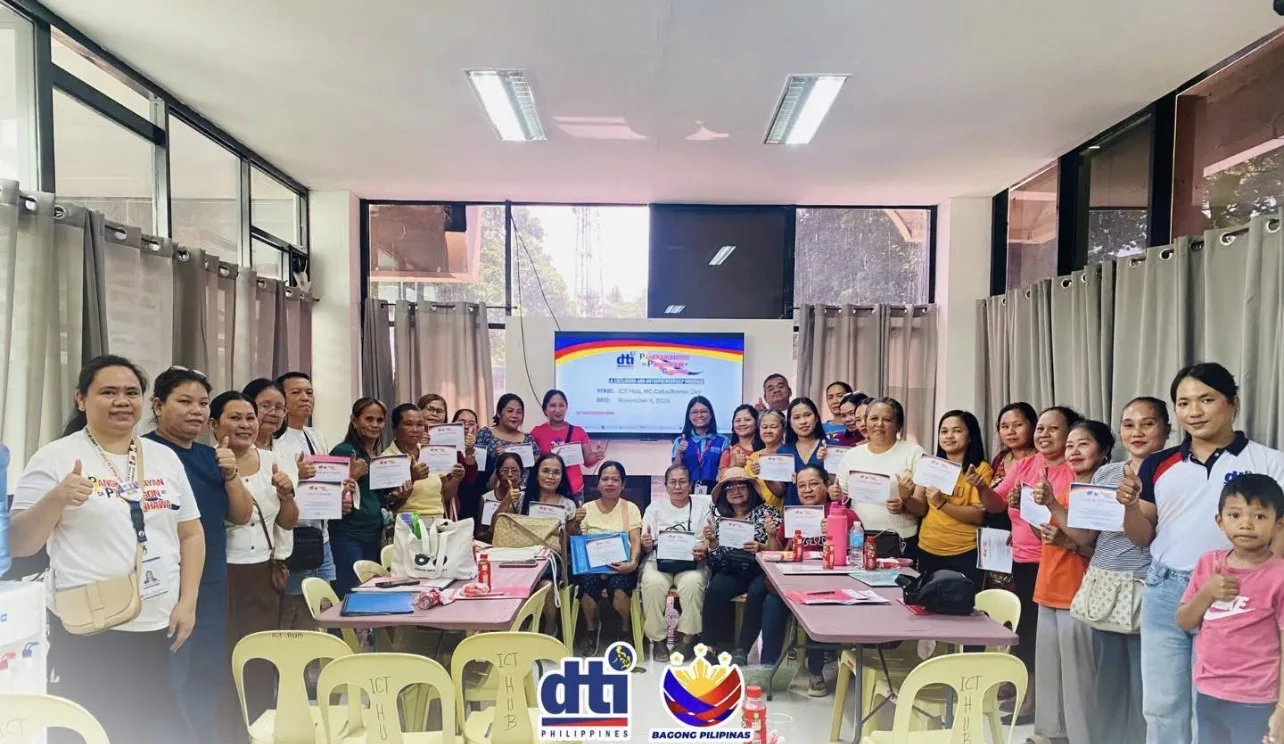
CABADBARAN CITY — Micro, small, and medium enterprises in Agusan del Norte that were affected by typhoons and fire incidents gathered at the Negosyo Center in Cabadbaran City for a business resilience seminar aimed at helping them prepare for the next disruption rather than merely recover from the last one. The session, conducted by the Department of Trade and Industry under its Pangkabuhayan sa Pagbangon at Ginhawa program, focused on practical strategies for safeguarding businesses, minimizing losses, and maintaining operations during emergencies. Participants included entrepreneurs whose livelihoods had already been damaged by natural hazards, giving the training an immediate, personal relevance.
From Hazard Awareness to Action Plans
The seminar covered the range of threats that small businesses face, from natural hazards such as typhoons and floods to human-induced risks like fire. Discussions addressed disaster risk reduction strategies, the prioritization of critical business activities, and the fundamentals of Business Continuity Planning. The session was facilitated by a trade and industry development specialist who guided participants through the process of identifying vulnerabilities in their own operations. The approach treated resilience not as an abstract compliance requirement but as a set of decisions an entrepreneur can make before a crisis arrives, when there is still time to act.
Why Planning Matters for Small Enterprises
For micro and small businesses, a single disaster can erase years of work. Unlike large corporations with reserves and insurance, most MSMEs operate close to the margin, and the loss of inventory, equipment, or premises can end the enterprise entirely. Business Continuity Planning gives owners a structured way to think through those risks in advance: what must be protected first, where operations can temporarily relocate, and how quickly the business can resume earning. The hands-on workshop required each participant to develop an individual plan tailored to their own business, producing a document they can actually use rather than a general template filed away and forgotten.