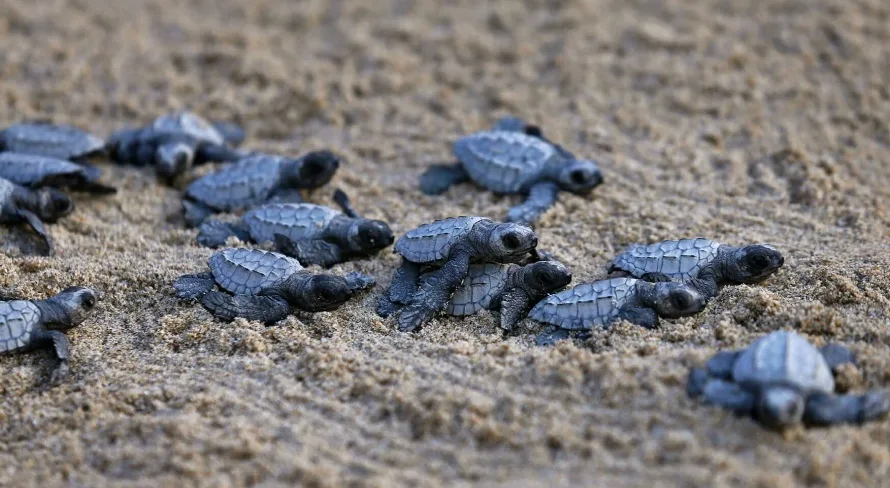
Palawan — In the coastal community of Santo Niño, San Vicente, Palawan, a vital conservation movement is ensuring that vulnerable olive ridley sea turtles have a fighting chance at survival. The Large Marine Vertebrates Research Institute Philippines (LAMAVE) leads this initiative, working closely with local residents who now serve as the primary guardians of the beach. By combining rigorous scientific research with grassroots engagement, the project addresses significant threats to turtle nests, such as predation by stray dogs and the risks posed by rising tides. This collaborative effort has transformed how the community interacts with their natural heritage, turning past threats into active participants in marine protection.
Implementing Protective Measures To Ensure Hatchling Survival Rates
During peak nesting season, dedicated patrollers and volunteers walk over 8 kilometers of shoreline each night to locate and secure nests. When a nest is found, eggs are carefully relocated to specialized hatcheries, where they are protected from environmental hazards and predators like stray dogs. By recreating the original dimensions of the nests in the hatchery, researchers ensure the eggs remain in a safe, controlled environment until they are ready to hatch. This intensive management has proven effective, as approximately 75% of eggs in these hatcheries successfully hatch—a critical success rate given that most unprotected nests left on the beach would otherwise be lost to predators or flooding.
Engaging Residents In The Long Term Conservation Vision
A cornerstone of this success is the deep involvement of local residents, including those who once lived near these beaches but never fully understood the importance of protecting the turtles. Project leaders have reached out to land caretakers and dog owners to help secure the nesting grounds, fostering a sense of shared responsibility that extends beyond the researchers themselves. For example, one local dog owner volunteered to fence in his animals at night after seeing the tireless efforts of the patrol team to save dying turtles. This shift toward community ownership is the project’s most significant achievement, as it ensures that the protection of these animals becomes a lasting part of local culture rather than a temporary effort.
Expanding The Reach Of Successful Marine Protection Models
While hatcheries provide a crucial safety net for eggs, researchers emphasize that the ultimate goal remains preserving the turtles’ natural nesting behaviors on the beach. Expanding this model requires broader cooperation from local governments and stakeholders to address long-term pressures, such as planned tourism development and climate change. As the project continues, researchers are also gathering genetic data and photo identification to better understand olive ridley turtle migration patterns throughout the Philippines. By empowering more communities to take personal responsibility for their coastal ecosystems, the initiative aims to create a sustainable future where both the local economy and endangered wildlife can thrive.