


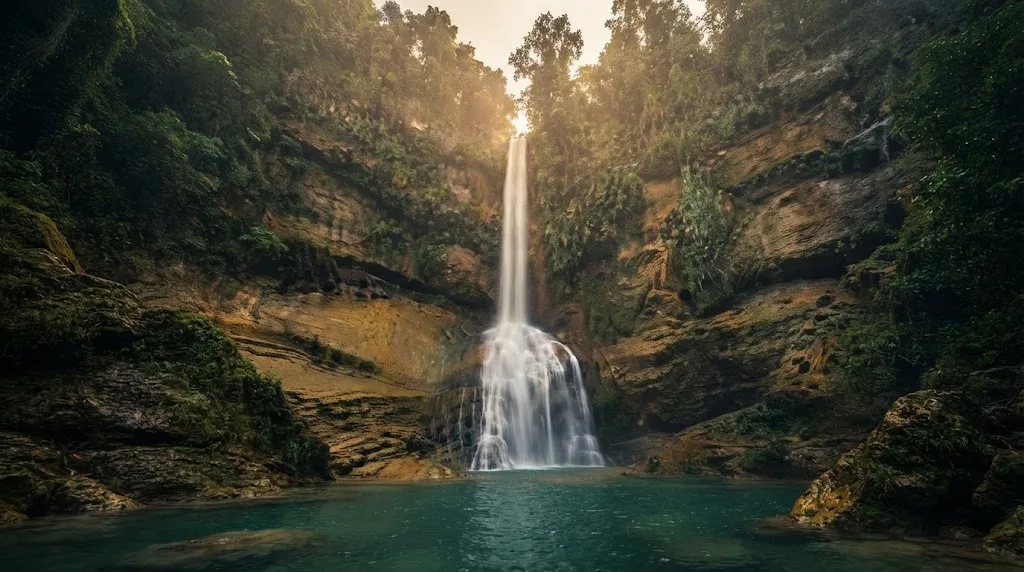
A Different Picture of Bohol
BOHOL - Rajah Sikatuna Protected Landscape presents a very different picture of the province from the postcard views commonly associated with Bohol. Instead of a single attraction, the protected landscape encompasses forests and karst formations that form part of the island’s natural environment. Its terrain makes the area particularly interesting for travelers who enjoy walking, exploring, photography, and observing nature. The landscape also serves as habitat for different plants and animals, making a visit as much about appreciating the surroundings as reaching a particular viewpoint.
Where Limestone and Forest Come Together
One of the most distinctive characteristics of the area is its combination of limestone terrain and forest. Caves and rock formations are part of the landscape, giving outdoor enthusiasts opportunities to explore geological features that are easy to overlook when traveling only along Bohol’s main tourist routes. The forest environment also creates a setting for birdwatching and wildlife observation, although visitors should remember that this is a protected area rather than an ordinary recreational park. For people who enjoy documenting landscapes with a camera or simply taking a break from heavily developed destinations, the quiet surroundings can be part of the attraction.
An Outdoor Experience Worth Taking Slowly
Rajah Sikatuna is best approached with the mindset of exploring rather than rushing from one attraction to another. Hiking, nature walks, cave exploration, and environmental observation can turn a visit into a more active part of a Bohol itinerary, particularly for travelers who want something beyond beaches and conventional sightseeing. Because it is a protected landscape, responsible behavior matters: visitors should avoid leaving waste, disturbing wildlife, damaging vegetation, or removing natural materials from the area. Rajah Sikatuna Protected Landscape shows that Bohol's appeal does not end with its famous tourist attractions—the province also has expansive natural spaces where the forest itself becomes the destination.
