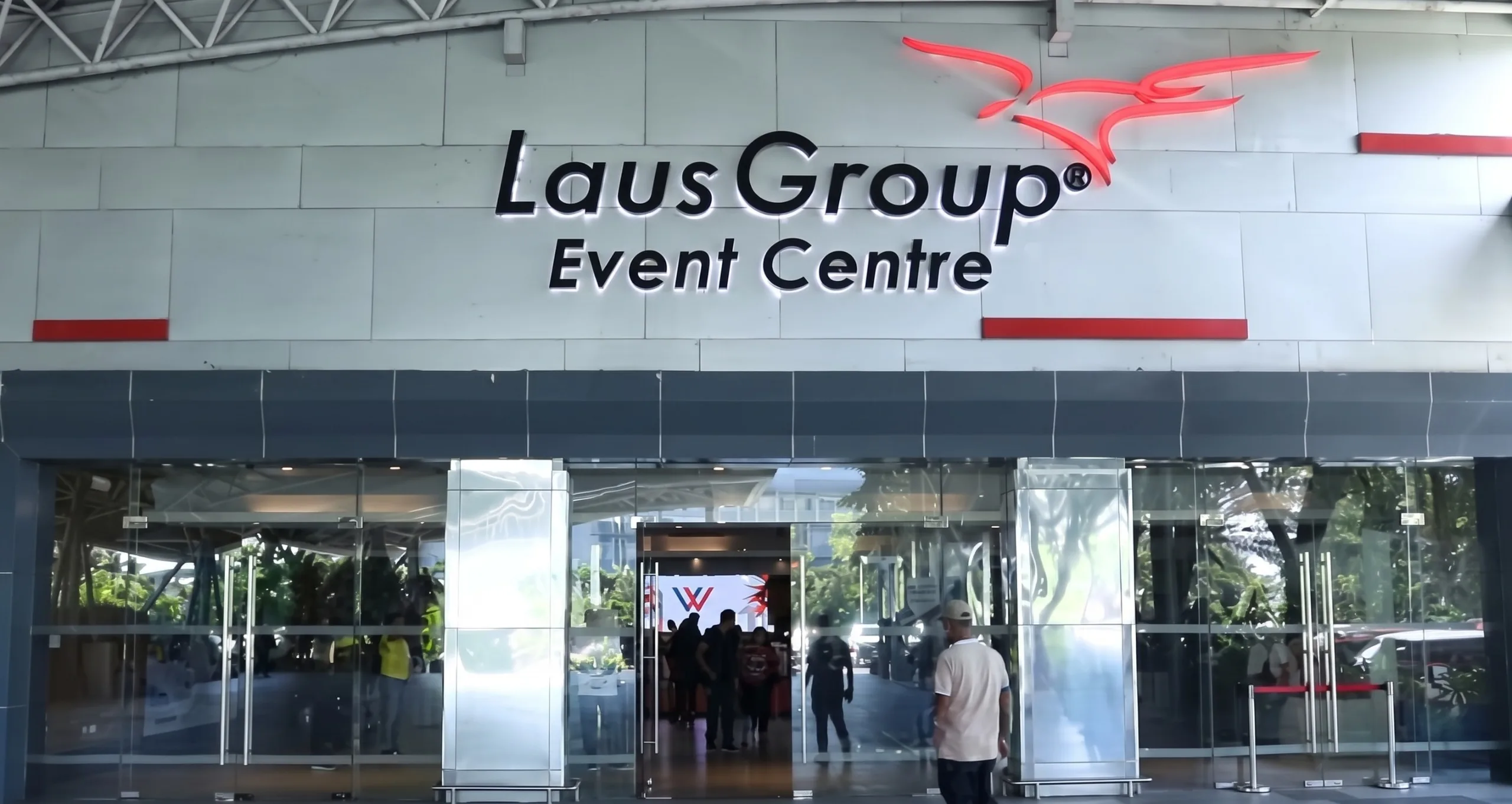
CITY OF SAN FERNANDO, PAMPANGA — The ultimate safety of a region's dinner table doesn't depend on complex global trade routes—it relies entirely on the strength of the short distance between local fields and nearby markets. As fluctuating market costs and climate variables place unprecedented pressure on food production systems across Central Luzon, a strategic intervention took place in the provincial capital. On October 15, 2026, the LausGroup Event Centre became a critical economic matchmaking floor as agricultural producers and business leaders converged for the landmark 1st Food Summit 2026: Aldo Ning Ortilanu. Organized under the direction of PamCham's Food Security Committee leader Dr. Robert H. Lo, the gathering moved past standard theoretical policy lectures to execute a highly practical mission: establishing direct, unmediated market linkages.
Breaking Down the Multi-Layered Middleman System
The traditional agricultural supply chain in the country is notoriously multi-layered, often forcing small-scale farmers and fisherfolk to pass their harvests through multiple middlemen—a fragmented system that drives consumer prices up while keeping the actual grower's profit margins dangerously thin. This structural inefficiency has long been identified as a key barrier to agricultural development, with studies showing that farmers typically receive only a fraction of the final retail price of their produce. By eliminating unnecessary intermediaries, direct market linkages allow farmers to capture a larger share of the value chain while simultaneously offering consumers fresher produce at more competitive prices. The summit's approach aligns with the Department of Agriculture's broader push for agri-business development and market-oriented reforms, which emphasize empowering farmer cooperatives and strengthening their bargaining position in the marketplace.
A Corporate Accelerator for the Countryside
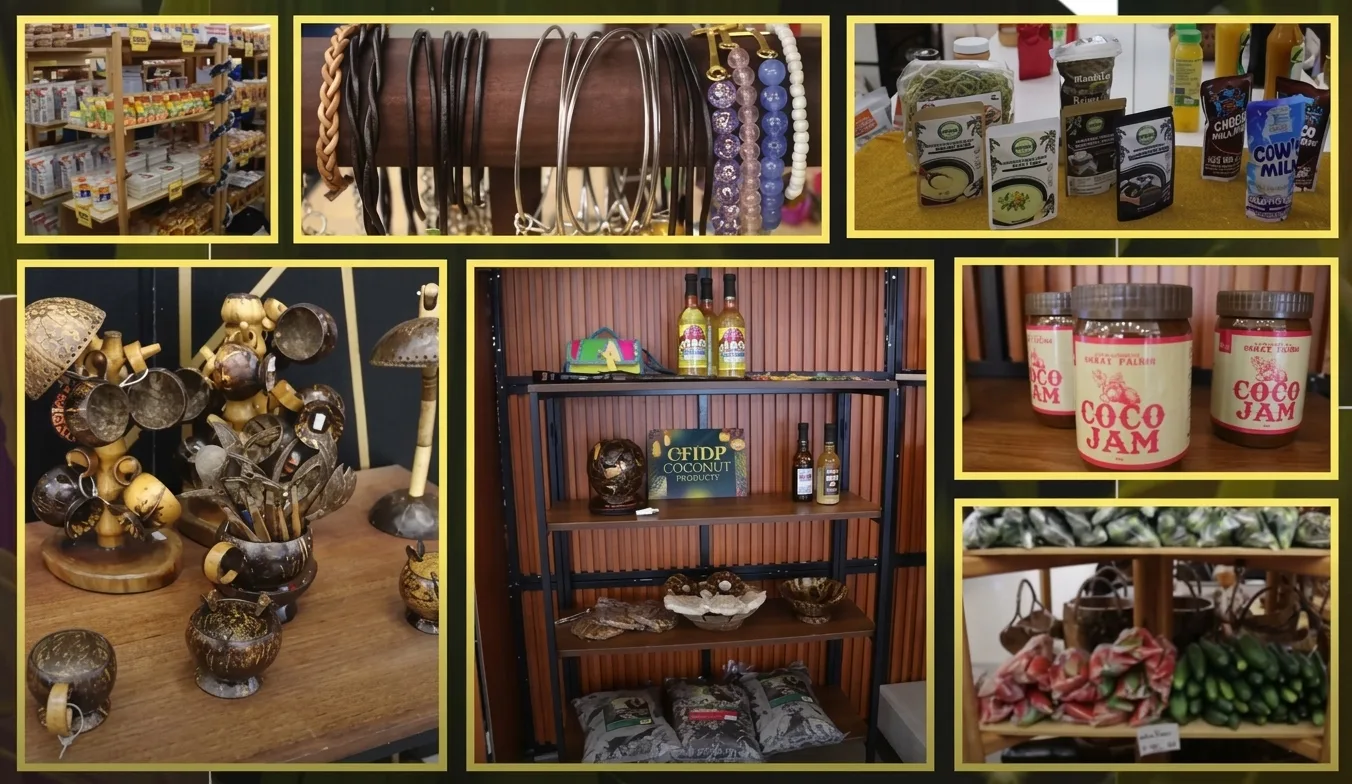
By physically bringing regional farming associations face-to-face with major commercial buyers, restaurant groups, food processors, and banking institutions under a single roof, the summit functioned as a corporate accelerator for the countryside. The exhibition floor bypassed standard retail boundaries, allowing independent cooperatives to display their raw crops and processed goods directly to corporate supply chains while securing immediate access to specialized agricultural credit lines and modern efficiency tech. This collaborative model reflects the growing recognition among business leaders that food security is not just a government responsibility but a shared economic imperative. Pampanga Chamber of Commerce and Industry has been at the forefront of these efforts, consistently advocating for policies that strengthen local agriculture and ensure that the province's rich farming heritage continues to thrive amid rapid urbanization. By actively closing the distance between the crop and the consumer, this localized alignment does more than just boost agrarian enterprise; it establishes a highly resilient, self-sustaining food system built to secure the economic longevity of Central Luzon's agricultural heartland.