


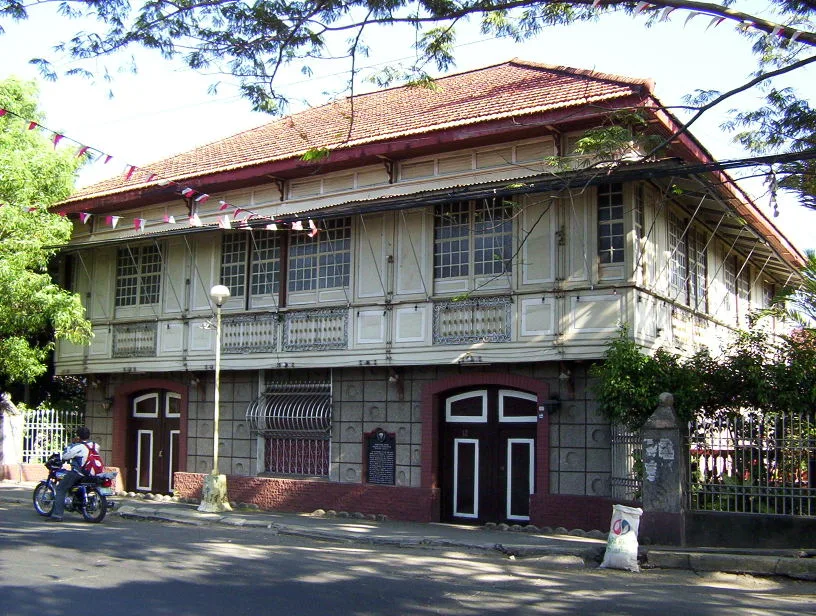
On August 1, 1898, a pivotal event in Philippine history took place in Bacoor, Cavite. The Bacoor Assembly, led by President Emilio Aguinaldo, brought together close to 200 "Presidente Mayor" or local chief executives from 16 liberated provinces to ratify a new Act of Independence drafted by Apolinario Mabini . This document, known as the Acta Agosto Uno, was subsequently ratified by the Malolos Congress and formally recognized the nation's independence.
Why the Bacoor Assembly Matters
The Bacoor Assembly represents a crucial yet often overlooked chapter in the country's journey to independence. While the June 12, 1898 proclamation in Kawit is widely celebrated, historical documents reveal that Aguinaldo had expressed reservations about the original document authored by Ambrosio Rianzares Bautista, which stipulated that the Philippines would be under the "protection" of the American government . This prompted Mabini, who served as Aguinaldo's legal and constitutional adviser, to draft a new Act of Independence .
The document was signed by Aguinaldo and ratified by around 200 municipal presidents from 16 provinces, including Cavite, Pampanga, Nueva Ecija, Laguna, Manila, Bulacan, Bataan, Tarlac, Morong, Batangas, Mindoro, Tayabas, Zambales, Pangasinan, La Union, and Infanta . The assembly also proclaimed Aguinaldo as President of the first Philippine independent government and the Act was subsequently ratified by the Malolos Congress on September 29, 1898.
Republic Act No. 12073: Honoring a Historic Event
To give rightful recognition to the Bacoor Assembly, Republic Act No. 12073, also known as the "Bacoor Assembly of 1898 Act," was signed into law by President Ferdinand Marcos Jr. on November 7, 2024 . The law declares August 1 of every year as a special working holiday to be known as the "Araw ng Paglalathala at Pagtatanyag ng Kasarinlan ng Pilipinas" .
The law mandates the National Commission for Culture and the Arts to promote the historical significance of August 1 and the events surrounding the Bacoor Assembly . The Department of Education is also tasked with developing lesson plans to educate students about this important historical milestone .
The recognition of August 1 does not seek to diminish the importance of June 12 as the country's official Independence Day. Instead, it acknowledges Bacoor's role as part of one of the most significant events in Philippine history . As Bacoor Mayor Lani Mercado Revilla, the law's principal author, explained, "Our goal is not to diminish the importance of June 12 as the anniversary of Philippine independence. Instead, we seek to recognize Bacoor's role as part of one of the most significant events in our history" .
