


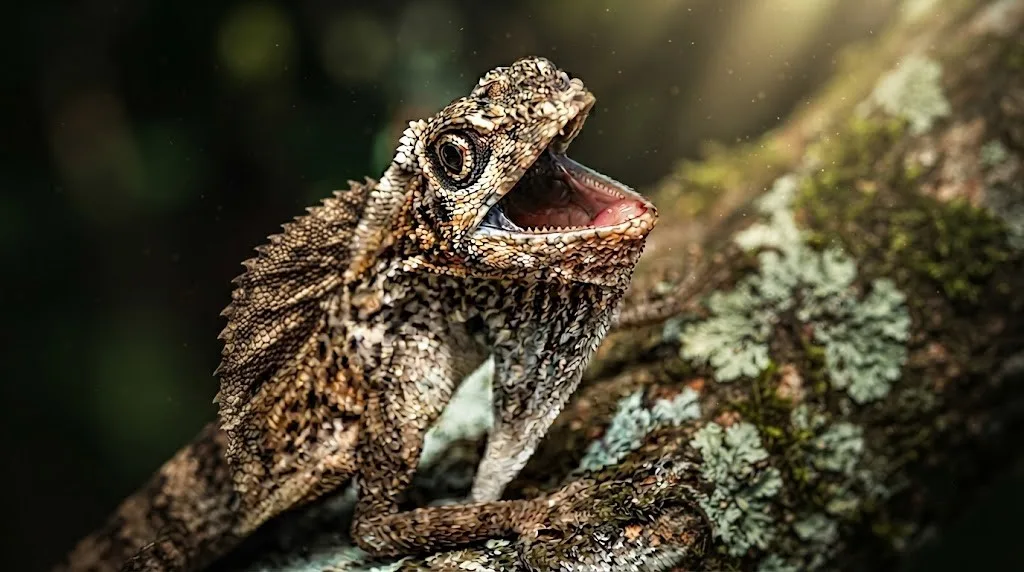
A Reptile That Appears to Fly
BACOLOD - Unlike birds or bats, flying lizards rely on expandable skin membranes supported by elongated ribs to glide between trees. They launch themselves from high branches and steer through the air with surprising precision before landing on another trunk. This ability helps them escape predators and search for food without spending much time on the forest floor. Their camouflage also blends perfectly with tree bark, making them difficult to spot even when they are only a few meters away. Watching one glide through the forest is a memorable reminder of how inventive nature can be. Their movements are smooth and controlled, almost as if they are part of the wind itself. For many observers, the first sight of one in motion is enough to spark a lasting interest in wildlife.
Life High Above the Ground
These reptiles spend much of their lives clinging to trees where they hunt ants, termites, and other small insects. Healthy forests provide everything they need, from food to safe nesting areas hidden beneath leaf litter. Because they depend on mature woodland habitats, their presence reflects the importance of conserving native forests across Negros Island. Protecting these ecosystems benefits not only flying lizards but also birds, mammals, insects, and countless plant species. Every preserved forest becomes a refuge for wildlife that cannot survive elsewhere. The balance of life in these habitats depends on the continued protection of trees and the surrounding environment. When forests remain intact, many hidden species are able to thrive quietly above and below the canopy.
Adding Adventure to Nature Trips
Visitors exploring forest trails near Bacolod often focus on panoramic views or cool mountain breezes. Looking more closely at tree trunks may reveal one of these extraordinary reptiles quietly waiting for the perfect moment to glide. Wildlife observation encourages slower travel and deeper appreciation of the landscapes beyond popular tourist stops. The flying lizard proves that some of the island's most fascinating attractions are not built by people but shaped by millions of years of evolution. Encounters like this can turn an ordinary walk into a memorable nature experience. They also encourage travelers to look beyond the obvious and notice the smaller wonders around them.
