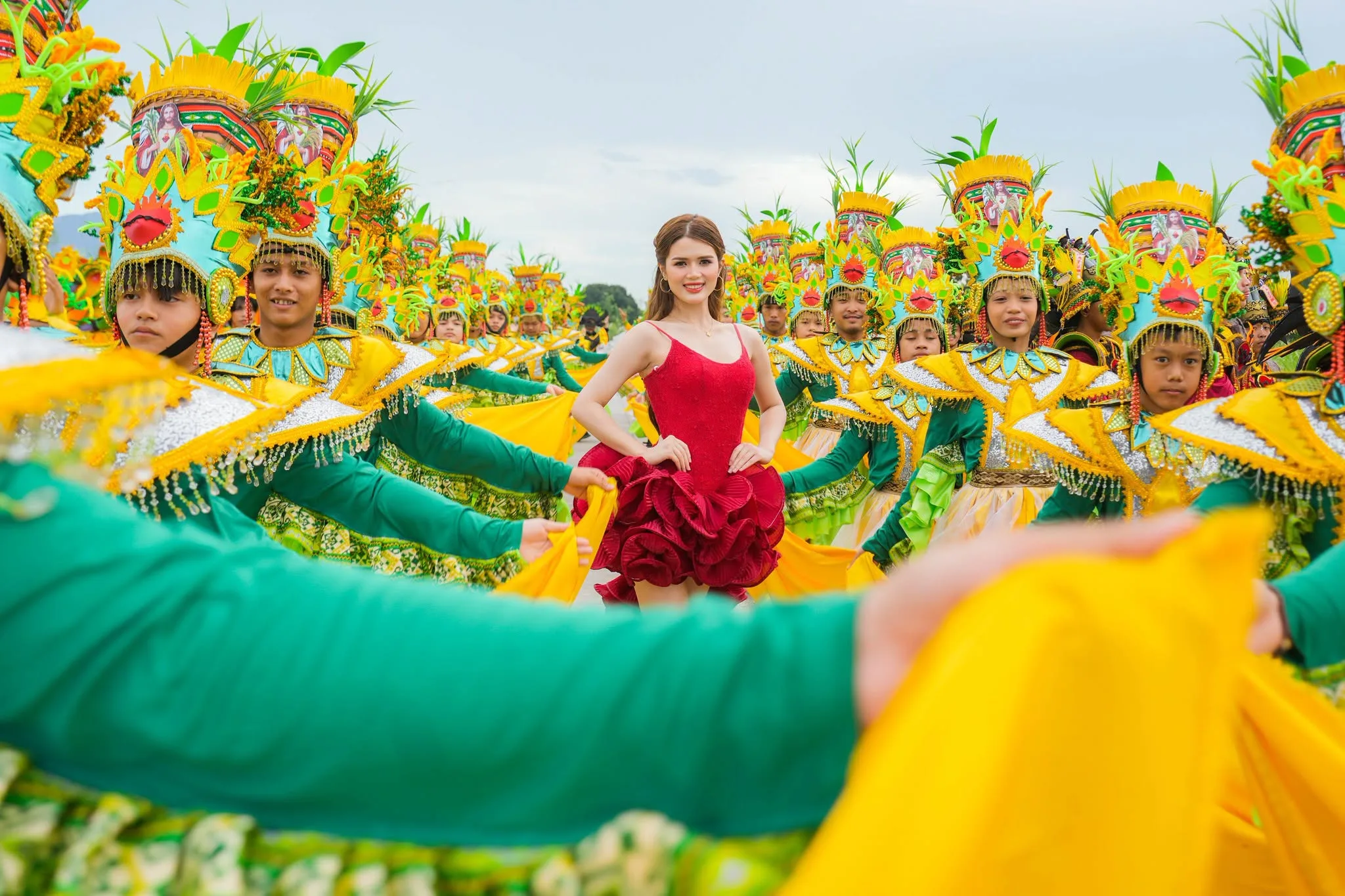
CITY OF SAN FERNANDO, PAMPANGA — Long before the concrete roads of modern Pampanga were laid down, the heartbeat of Barangay Calulut was dictated entirely by two plants: rice and sugarcane. As urbanization continues to rapidly reshape the landscapes of Central Luzon, the community of Calulut refuses to let its agrarian soul be paved over. This October, the streets came alive for the annual Palut-Cabio Festival, a high-energy cultural showcase that transforms local history into an evocative street-dancing performance. Joining the dancers this year was Geanne Firenze Castro, Mutya ning San Fernando and Mutya ning Kapampangan-CSFP 2026, whose participation bridged the city's contemporary achievements with its deepest agricultural roots.
A Linguistic Time Capsule of Kapampangan Farming
The festival's unique name serves as a linguistic time capsule for traditional Kapampangan farming. "Palut" honors the meticulous, back-breaking labor of the traditional rice harvest, while "Cabio" resurrects the memory of the heavy stone and wooden mills once used to crush raw sugarcane. Through synchronized, rhythmic choreography that mimics the physical motions of planting, cutting, and milling, the local youth turn historical labor into art—ensuring that the younger generation understands the grit that built their community. This living tradition reflects the deep agricultural roots of San Fernando, which was historically known for its vast rice fields and sugar plantations that fueled the province's economy long before commercialization and urbanization took hold. The festival also highlights the vital role of rice farming in Pampanga's cultural identity, with traditional practices like the palut—a communal harvest ritual—serving as reminders of the values of bayanihan and shared labor that continue to define Kapampangan communities.
An Active Resistance Against Cultural Amnesia
Supported by City Mayor Vilma Balle-Caluag, the festival moves past being a simple weekend attraction. It acts as an active, localized resistance against cultural amnesia, ensuring that the stories of the farmers and mill workers who shaped Calulut's history are not forgotten in the rush toward modernization. By showcasing their farming heritage in the middle of a modernizing city, the residents of Calulut prove that a community's future is infinitely more secure when it moves forward with a deep, unbreakable respect for the soil that originally sustained it. The participation of Mutya ning San Fernando Geanne Firenze Castro also underscores the city's commitment to celebrating its cultural ambassadors, who play a vital role in promoting local heritage alongside modern achievements. As San Fernando continues to evolve into a premier urban center, events like the Palut-Cabio Festival serve as essential anchors, reminding residents and visitors alike that progress need not come at the expense of identity.