


More Than Just Greenery
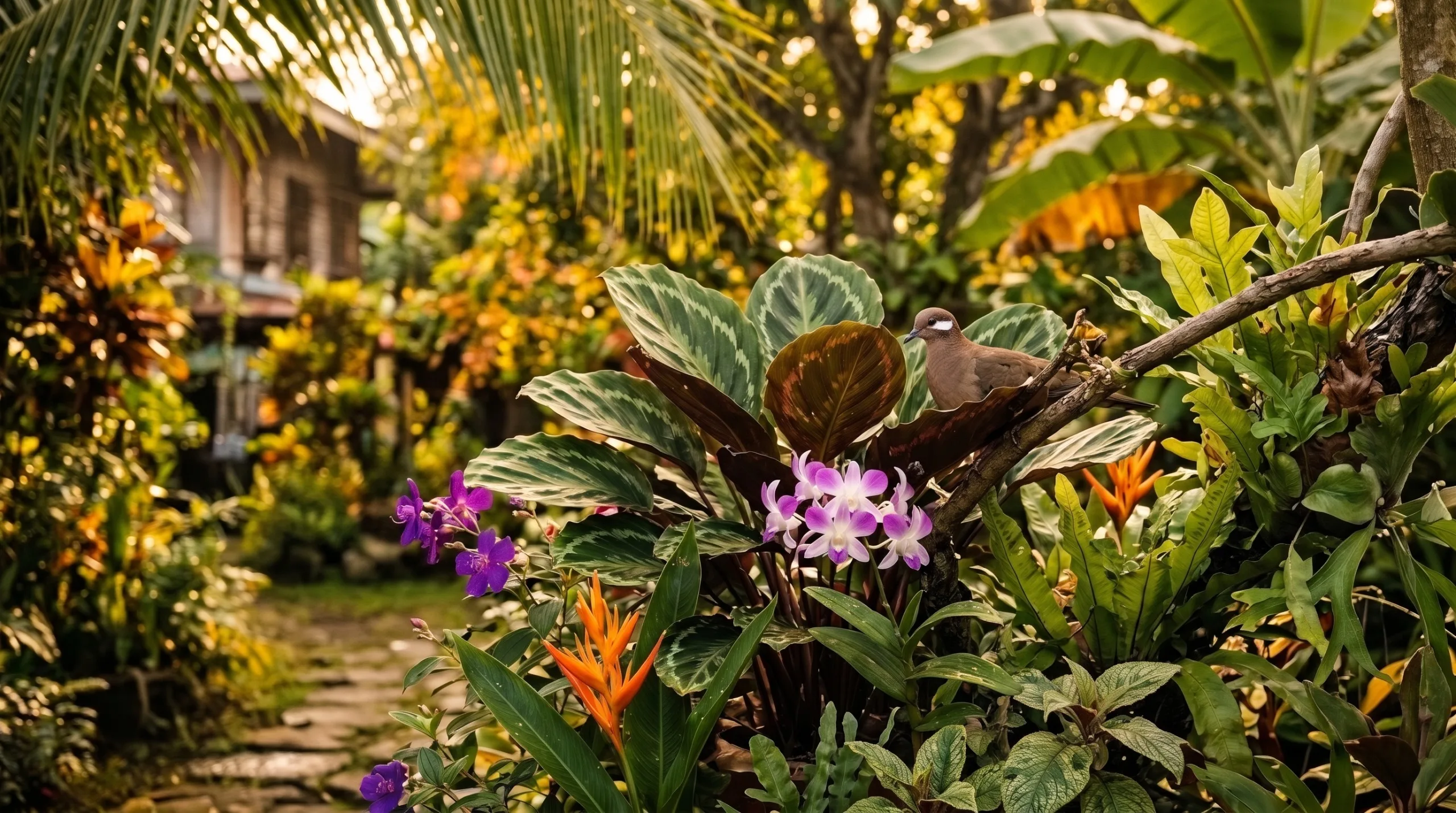
BACOLOD - Native plants have developed alongside the wildlife and environmental conditions of their natural region. Their flowers, fruits, seeds, leaves, and other parts can provide resources for insects, birds, and other animals. Trees and dense vegetation can also offer places for animals to rest, hide, nest, or escape extreme heat. When native vegetation disappears, wildlife can lose several resources at once. Keeping appropriate native plants in gardens, parks, farms, and other green spaces can help retain some of those connections.
Small Plants Can Support Bigger Ecosystems
Wildlife survival often depends on many small interactions happening around plants. Bees and butterflies can visit flowers for nectar, birds can feed on fruits or insects living among vegetation, while fallen leaves and plant material contribute to the food web as they decompose. A single plant may not transform an ecosystem, but many suitable plants growing together can create a more useful habitat. Even small gardens and neighborhood green spaces can become valuable stopping points for wildlife when they contain a variety of plants and provide food and shelter throughout different seasons.
Growing With Nature in Mind
As Bacolod continues to develop, planting and protecting native species can be one practical way to make new and existing green spaces more supportive of biodiversity. Residents can learn which plants are naturally suited to the local environment, while communities can consider native vegetation when planning gardens, public spaces, and landscaping projects. Protecting mature trees and avoiding unnecessary removal of natural vegetation can also preserve habitats that took years to develop. By keeping native plants part of the landscape, communities can create places where wildlife has a better chance to remain—not far from people, but alongside them.
