


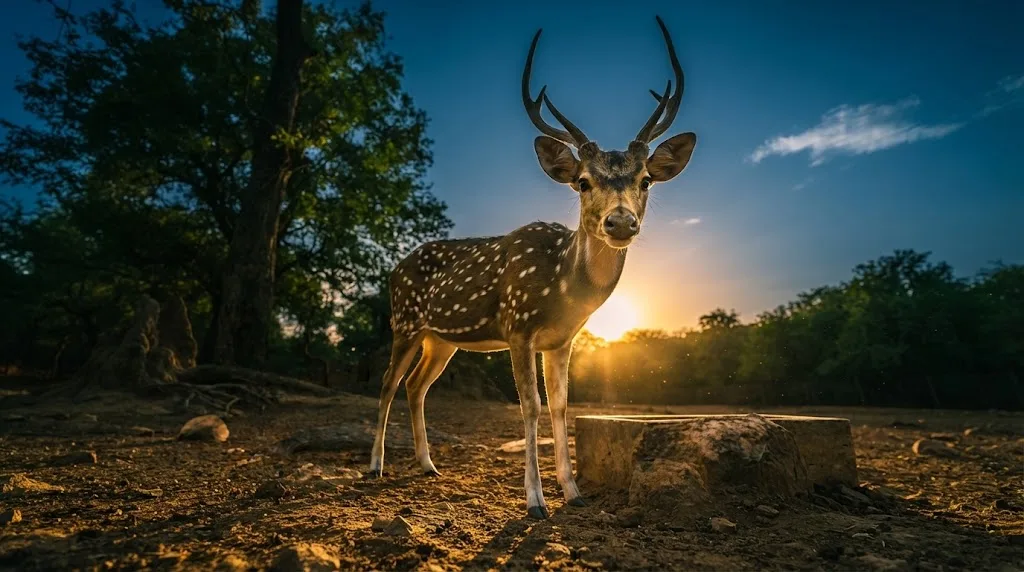
The Visayan Spotted Deer: A Gentle Symbol of Negros
BACOLOD - Few animals capture attention quite like the Visayan spotted deer, especially because its delicate appearance is so different from the deer many people imagine from other parts of the world. The species is native to the Visayan islands and is classified as endangered, with habitat loss among the major pressures affecting its survival. Talarak includes the Visayan spotted deer among the endemic species it works to conserve, and its Bacolod facility provides an opportunity for people to see these animals while learning about their protection. The deer is particularly meaningful because seeing one in a conservation setting gives visitors a glimpse of an animal that is closely tied to the natural heritage of the Visayas. Its quiet presence makes it easy to understand why protecting the remaining forests of Negros matters.
The Visayan Warty Pig: A Tough Native Survivor
The Visayan warty pig may not have the graceful appearance of a deer, but it has become one of the most recognizable animals associated with Negros wildlife conservation. The species is Critically Endangered, and conservation organizations have worked for decades to address threats including habitat loss, hunting, and interactions with domestic pigs. Talarak's conservation work includes Visayan warty pigs, making the species part of the wildlife story visitors can discover in Bacolod. Its unusual appearance, distinctive mane, and connection to the island make it an especially memorable animal for anyone interested in the wildlife that cannot simply be replaced once lost.
The Negros Bleeding-Heart: The Bird With a Remarkable Name
Perhaps the most intriguing of the three is the Negros bleeding-heart, a shy ground-dwelling dove distinguished by the vivid red marking on its chest. The species is Critically Endangered and is native to Negros, making it one of the island's most important wildlife treasures. Its elusive nature means that encountering one in the wild is considerably more difficult than spotting common city birds, which makes conservation centers particularly valuable for education and awareness. At Negros Forest Park, the species forms part of the conservation population maintained by Talarak, allowing visitors to appreciate a bird that many people may never encounter in its natural forest habitat.
