PALAWAN — The preservation of the Palawan pangolin—locally known as the "balintong"—received a heartwarming boost recently when a local fisherman in Roxas took immediate action to save a stranded juvenile. Recognizing the rare and critically endangered mammal, the fisherman prioritized its safety, ensuring it was handed over to the proper authorities rather than falling victim to wildlife trafficking or accidental harm. This act of compassion highlights the growing success of community-led conservation efforts in the municipality, which has designated the pangolin as its official flagship species. Such incidents are becoming vital reminders of the shared responsibility between residents and environmental agencies to protect the unique biodiversity that defines the island’s natural landscape.
Empowering Residents As Active Guardians Of Local Wildlife Heritage
The municipality of Roxas has long been a leader in wildlife advocacy, launching various initiatives like the "Pangolin of Roxas" trivia series to educate the public on the ecological importance of this elusive creature. By fostering a deep sense of ownership among the locals, the town has effectively turned everyday residents into a network of informal wildlife monitors. This community-based approach ensures that when rare animals are encountered near beaches, cafes, or rural roads, the response is guided by an understanding of conservation laws. For visitors enjoying the region’s famous tourist spots, seeing such commitment to wildlife protection serves as a testament to the harmony between the area's development and its preserved natural beauty.
Safeguarding The Future Of The World's Most Trafficked Mammal
The Palawan pangolin faces significant threats from illegal trade, making the quick thinking of individual citizens essential to its survival. As the only species of its kind endemic to the Philippines, the survival of the pangolin depends on preventing human-wildlife conflict and curbing the activities of poaching syndicates. The rescue in Roxas underscores the importance of the Palawan Council for Sustainable Development’s (PCSD) ongoing coordination with local government units to provide quick response mechanisms. By securing these juveniles and ensuring they receive professional veterinary care, authorities can eventually return them to their natural habitats, keeping the population resilient against the pressures of the illegal wildlife meat trade.
Promoting A Culture Of Sustainability Across The Entire Province
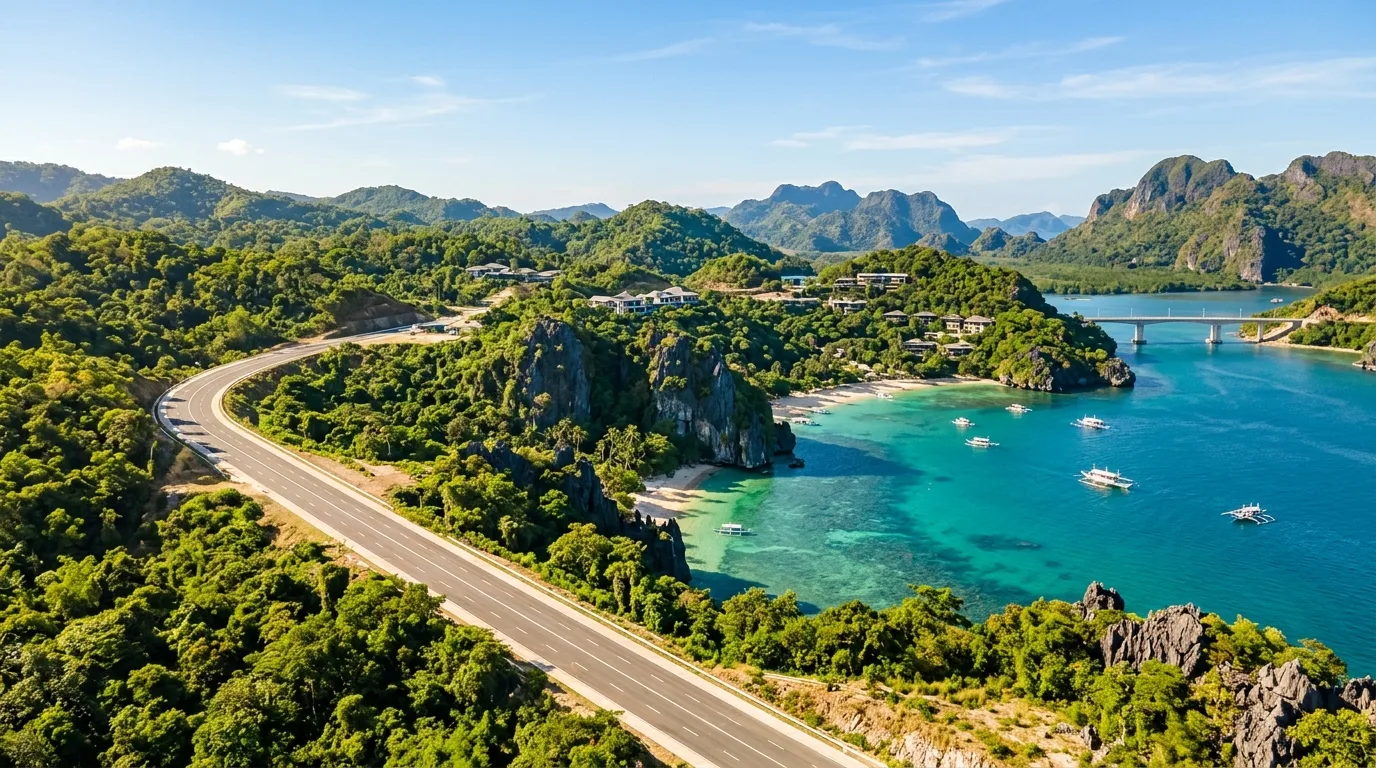
The broader environmental narrative in Palawan is increasingly focused on integrating modern protection standards with traditional community values. While industrial growth continues to bring new hotels and infrastructure to coastal areas, the commitment to "zero-tolerance" for wildlife harm remains a cornerstone of the province's development policy. This incident in Roxas serves as a clear indicator that the message of conservation is successfully reaching the ground level, affecting how locals interact with the environment. As the region balances the influx of travelers visiting beach resorts and dining in local restaurants, such stories of rescue provide inspiration for maintaining a sustainable relationship with the land and the unique creatures that call it home.