Conserve Water and Prepare Household Supplies
BOHOL - One of the most important preparations for El Niño is making responsible use of available water. Families can begin by checking faucets, pipes, and water tanks for leaks, turning off taps when not in use, and using only the amount of water needed for daily activities. Collecting rainwater during rainy periods can also provide an additional supply for gardening, cleaning, and other non-drinking purposes. Households should store water in clean, covered containers and maintain a reasonable emergency supply. Reusing water from washing vegetables or rinsing clothes for appropriate household tasks can further reduce waste. Communities can also help by reporting leaks in public water systems and supporting local water conservation programs.
Protect Health, Food, and Agricultural Livelihoods
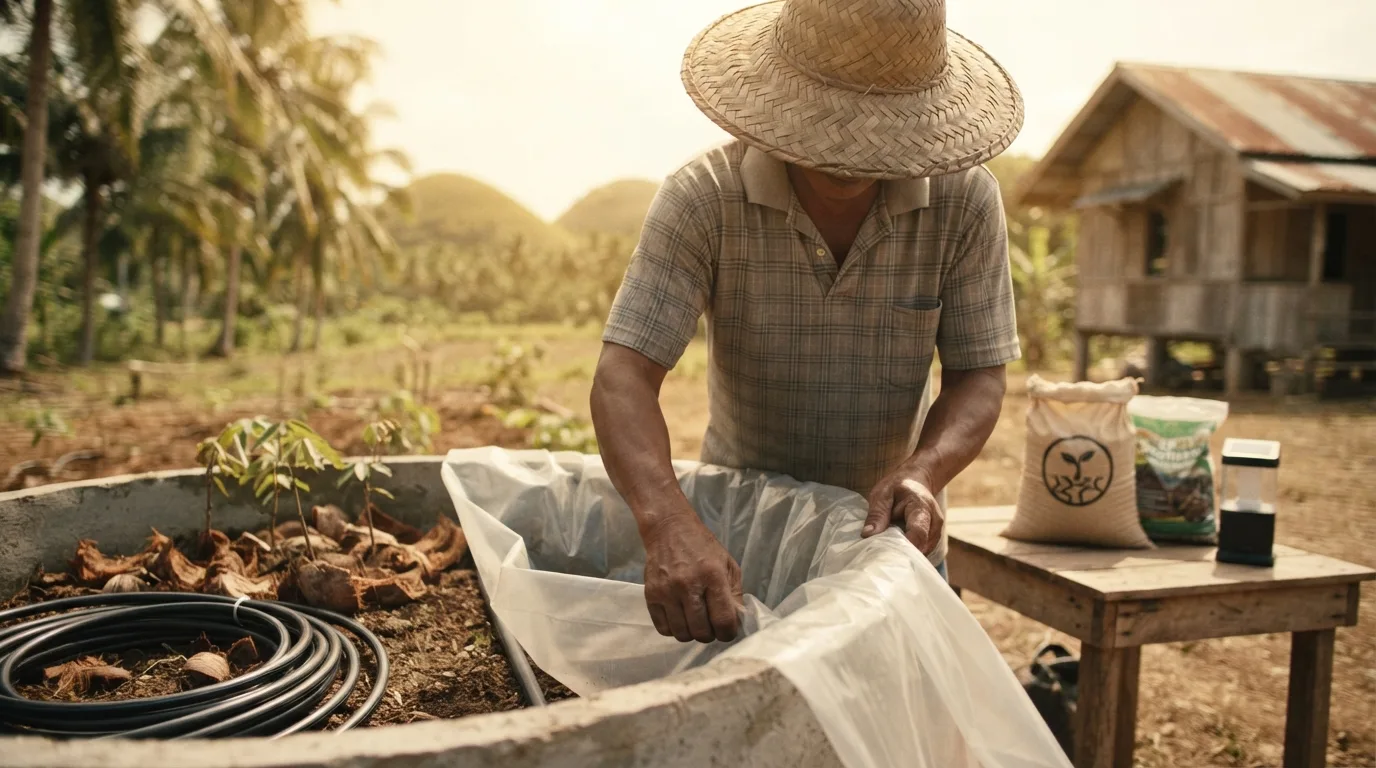
Higher temperatures and prolonged dry conditions make it important to protect family members, particularly children, older adults, and outdoor workers. Residents should drink enough safe water, wear lightweight and breathable clothing, limit strenuous activities during the hottest hours, and stay in shaded or well-ventilated areas. Families should also prepare simple emergency supplies, including drinking water, essential medicines, and ready-to-eat food. Farmers can adjust planting schedules based on local climate advisories, consider drought-tolerant and early-maturing crop varieties, practice mulching to retain soil moisture, and improve irrigation efficiency. Livestock owners should provide clean drinking water, shaded shelters, and proper animal care. Farmers and fisherfolk are also encouraged to coordinate with their municipal agriculture offices regarding available assistance and insurance programs.
Stay Informed and Strengthen Community Preparedness
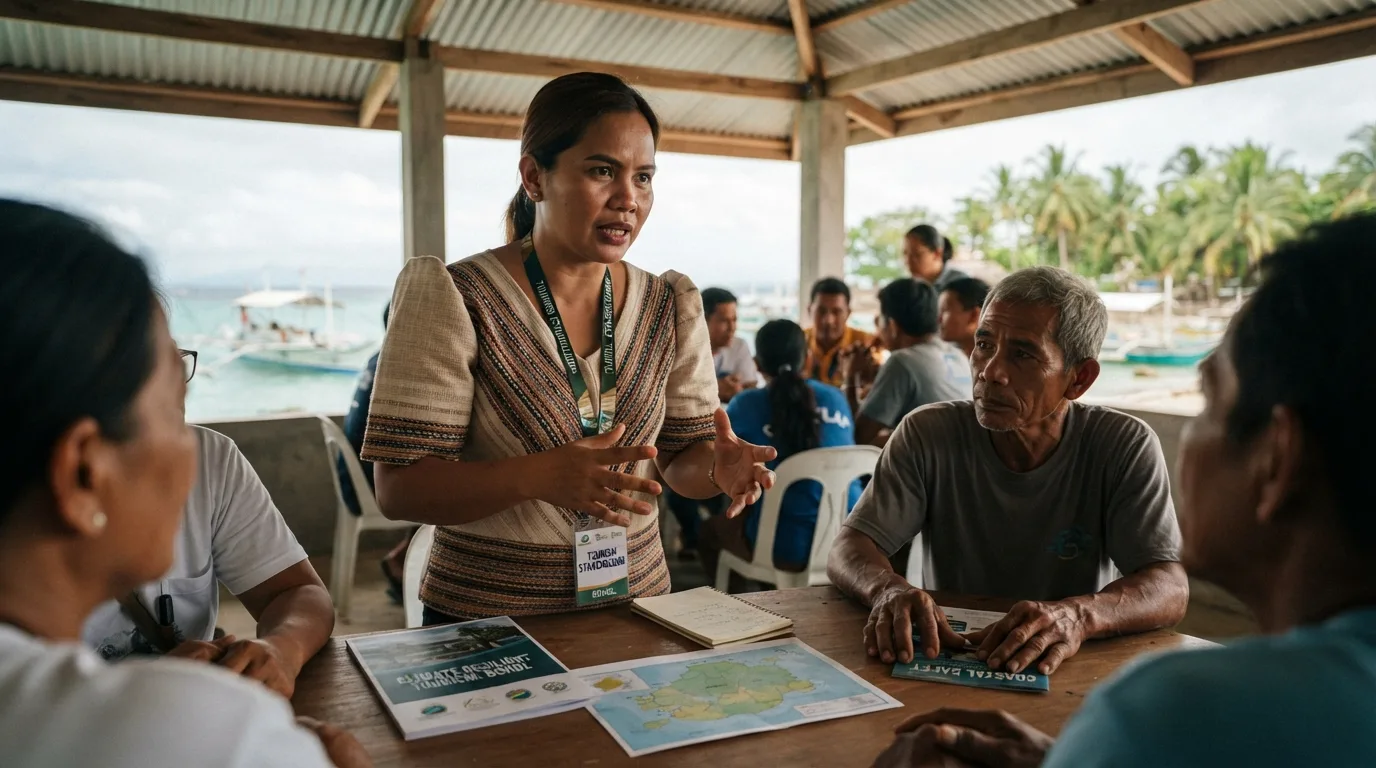
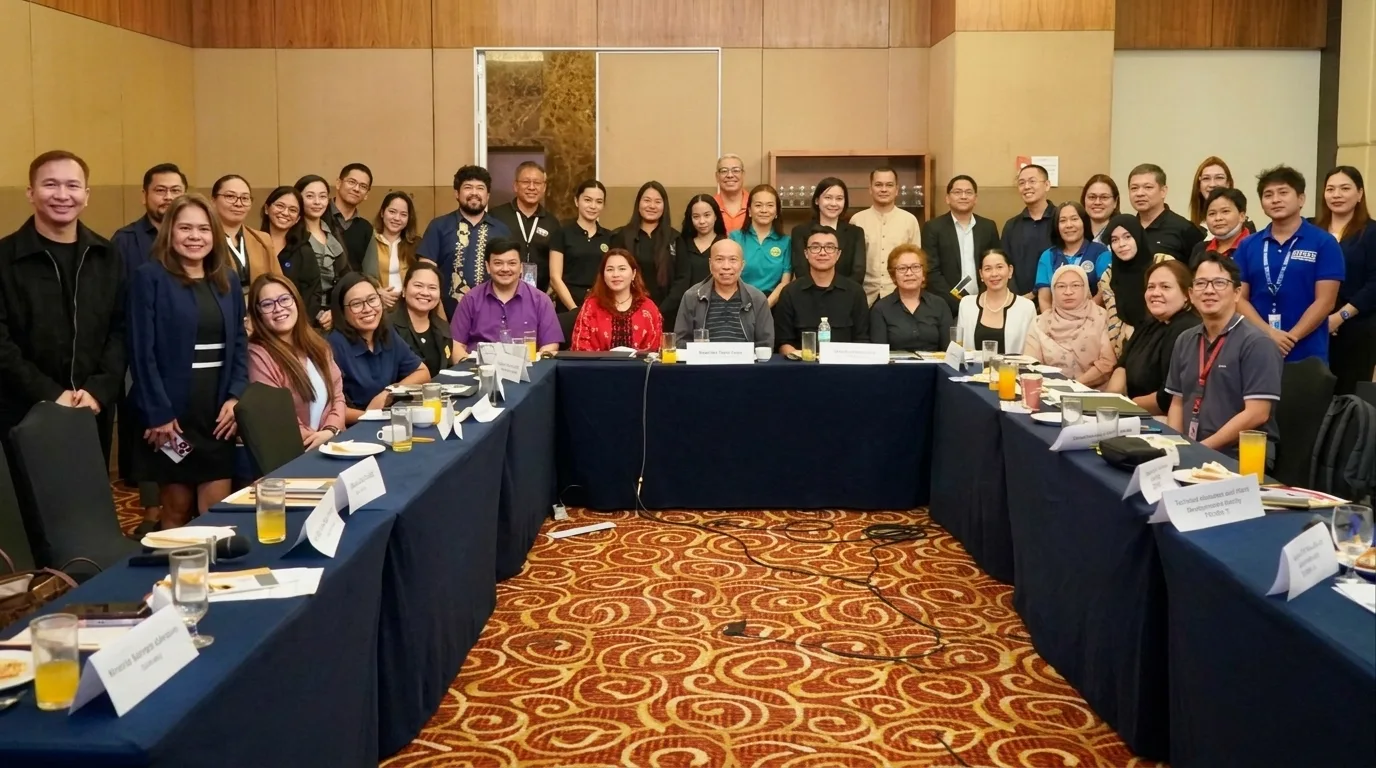
Preparing for El Niño is easier when households and communities make decisions before water shortages and extreme heat become more serious. Residents should regularly check advisories from the Philippine Atmospheric, Geophysical and Astronomical Services Administration (PAGASA), coordinate with barangay officials, and follow local government announcements about water supply and public health measures. Community gardens, shared water conservation campaigns, tree planting, and neighborhood information drives can also help build resilience. Schools, businesses, and local organizations can establish practical measures to reduce water and electricity consumption. Through cooperation among families, farmers, local government units, and concerned agencies, Bohol communities can better manage the challenges of prolonged dry conditions while protecting public health, food security, and the province's natural resources.