Start With the Home’s Existing Condition
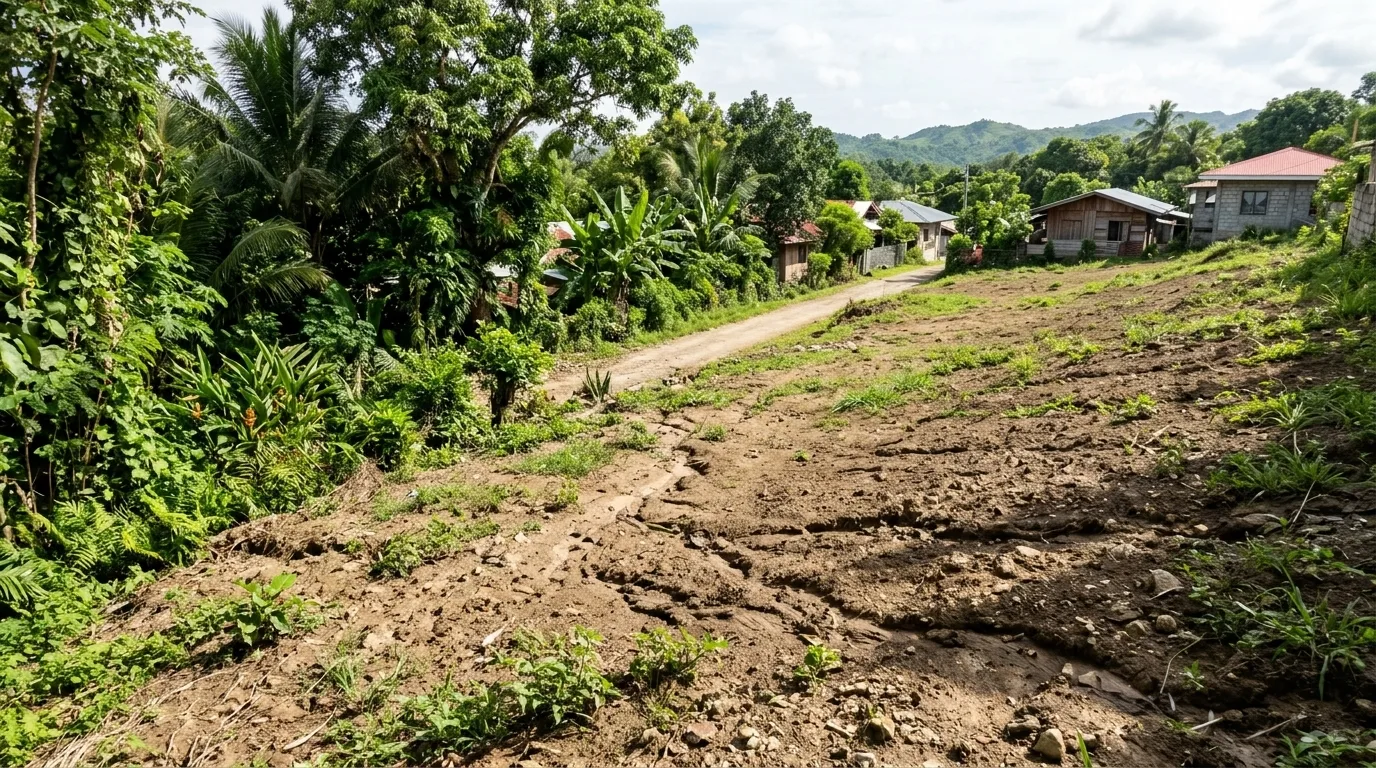
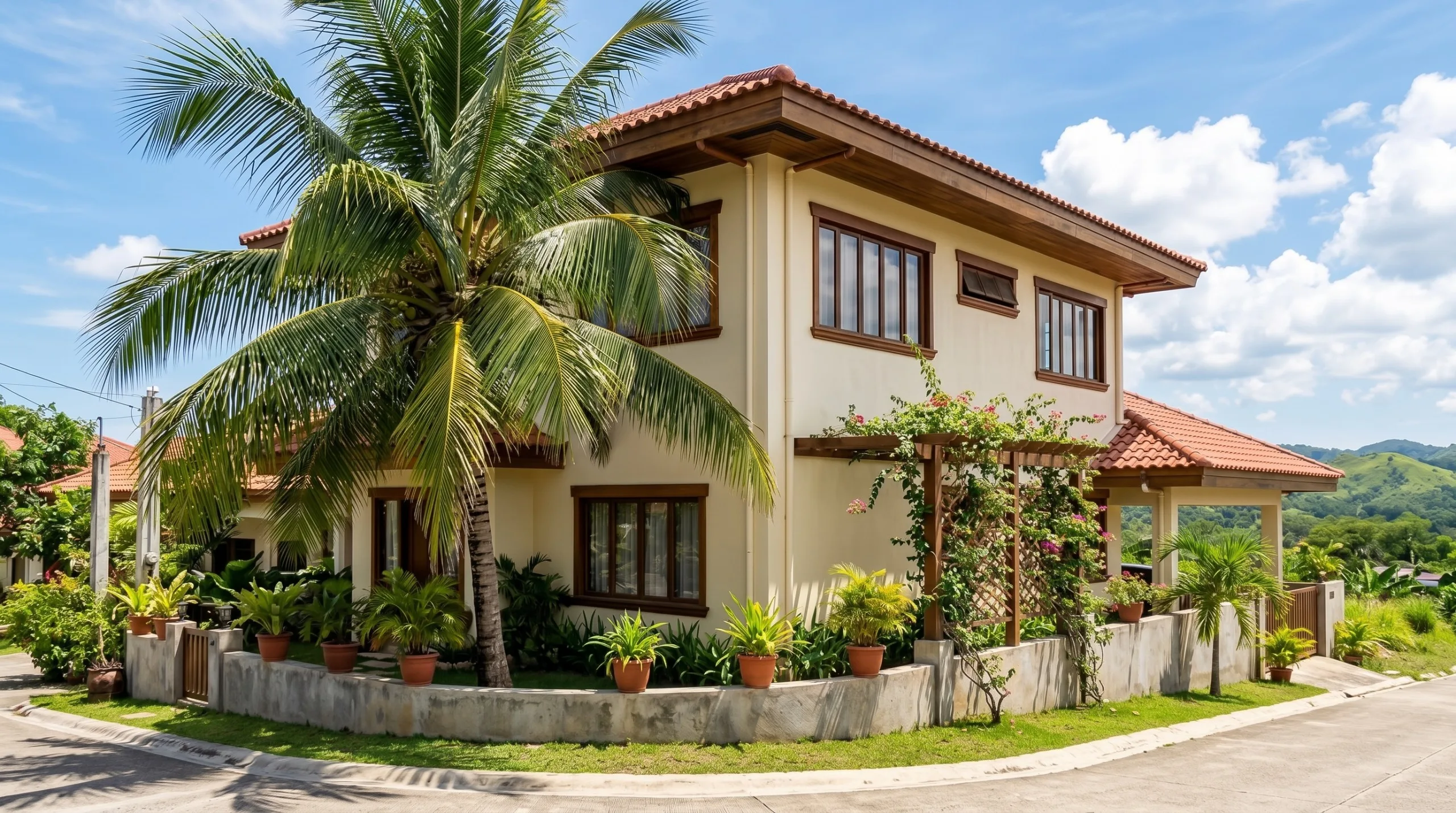
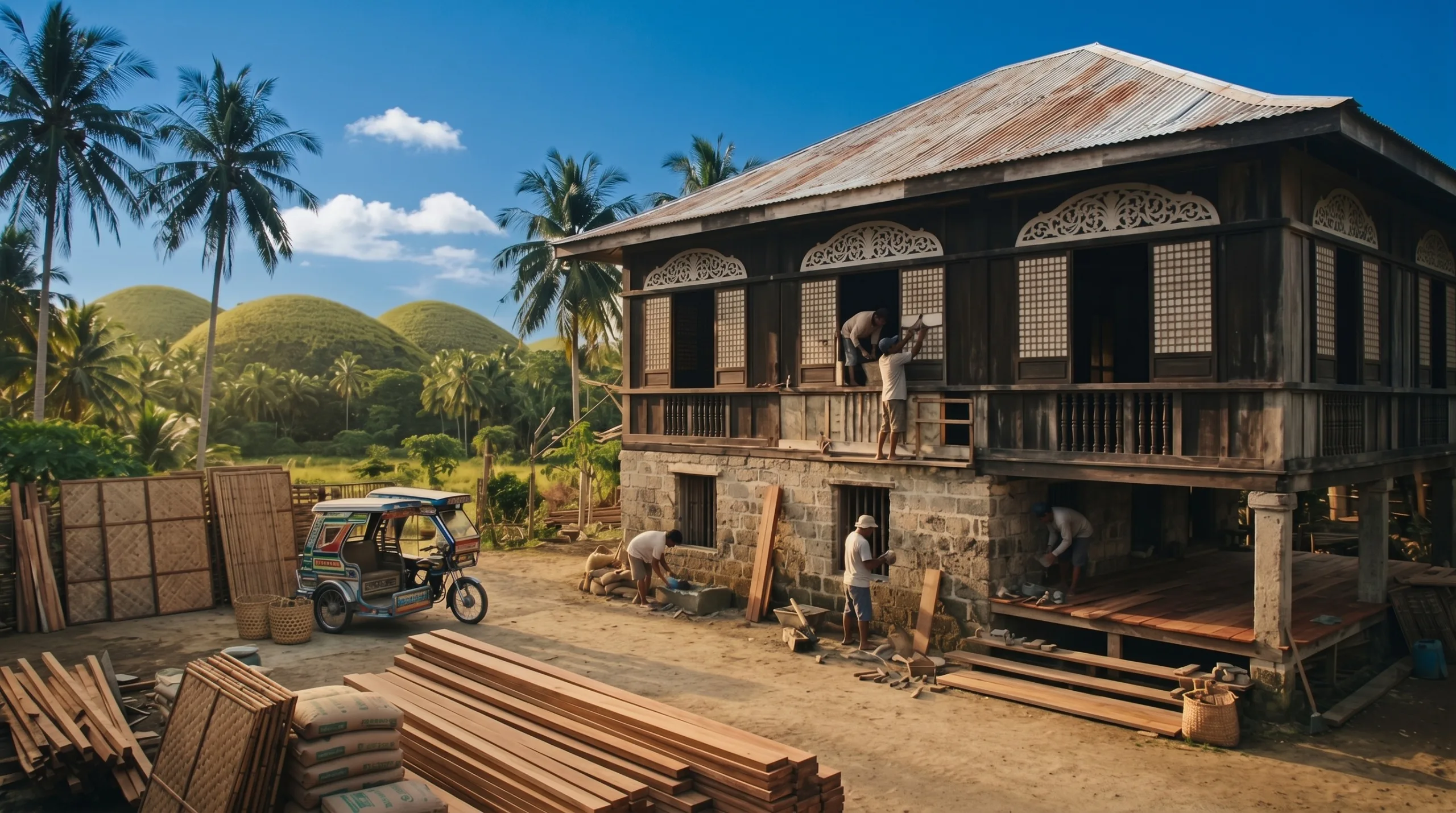
BOHOL - Renovating an older home in Bohol begins with understanding what needs repair before deciding what should be redesigned. Homeowners should arrange a professional inspection of the roof, foundations, walls, floors, electrical wiring, plumbing, and drainage systems. Signs such as persistent dampness, cracked walls, sagging roof sections, damaged wooden supports, or recurring leaks deserve careful assessment rather than cosmetic fixes. Bohol’s experience with the 2013 earthquake also highlights the importance of checking structural stability, especially in older houses that may have experienced previous damage or repairs. A qualified architect or structural engineer can help identify safety concerns and determine which parts of the property can be retained, repaired, or replaced. Establishing the home’s condition early helps owners prioritize essential work before spending money on paint, furniture, and decorative upgrades.
Choose Materials That Suit Bohol’s Climate
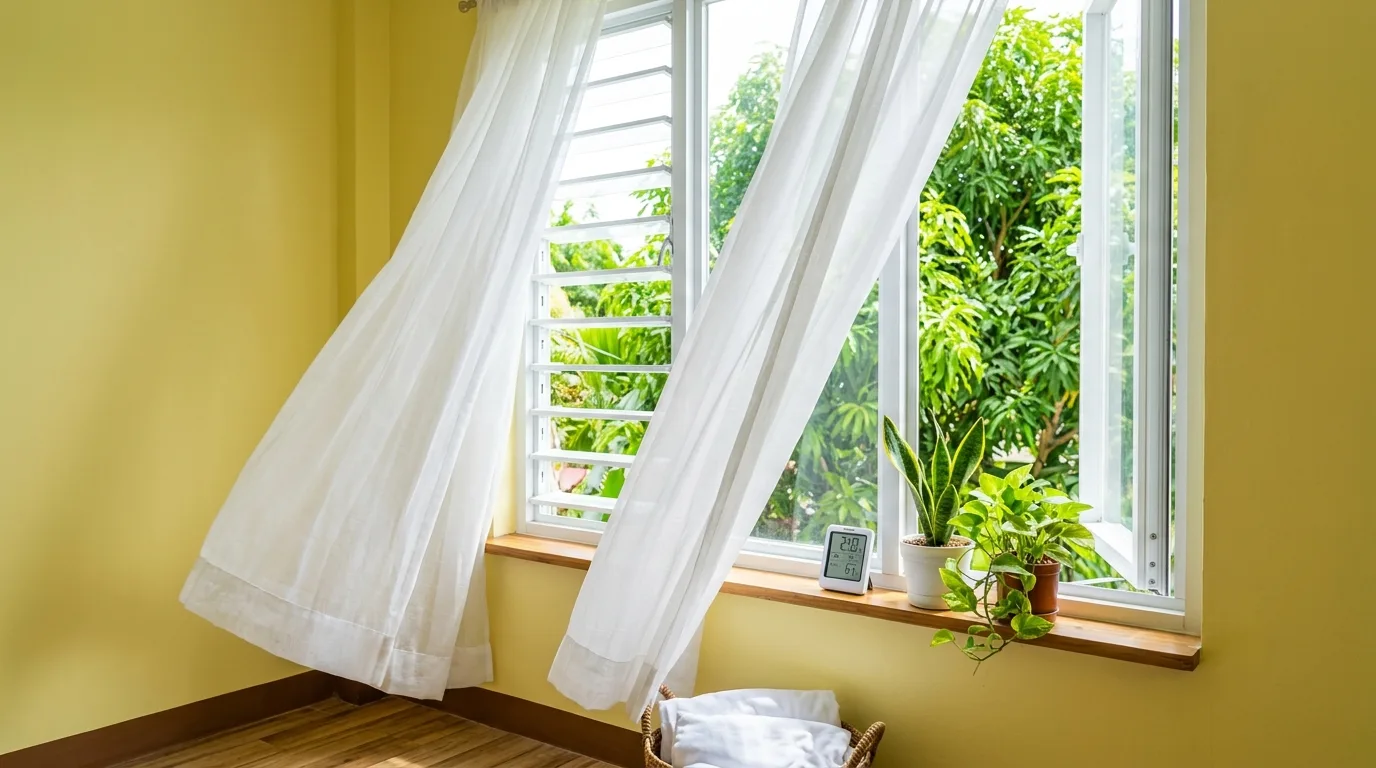
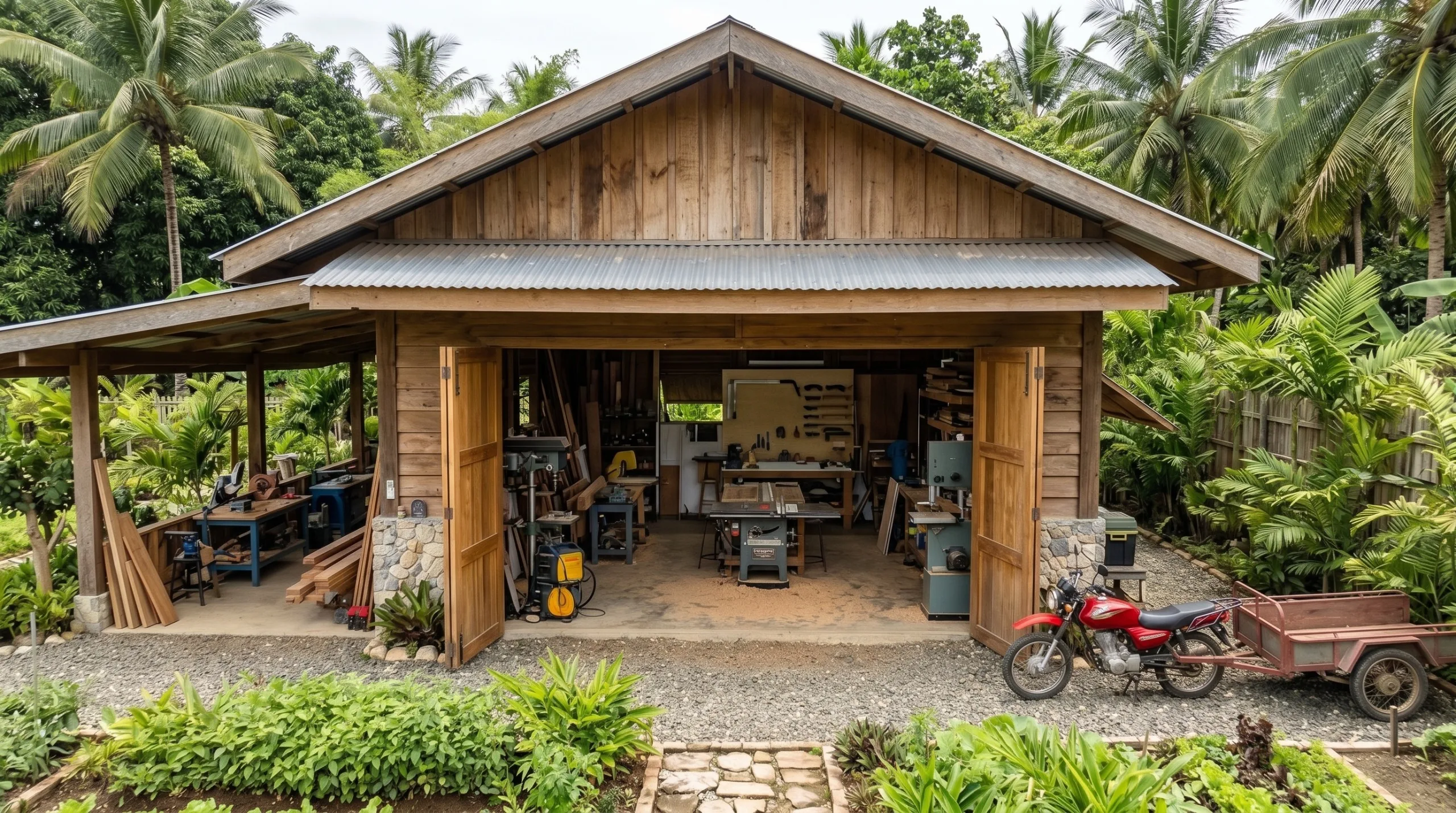
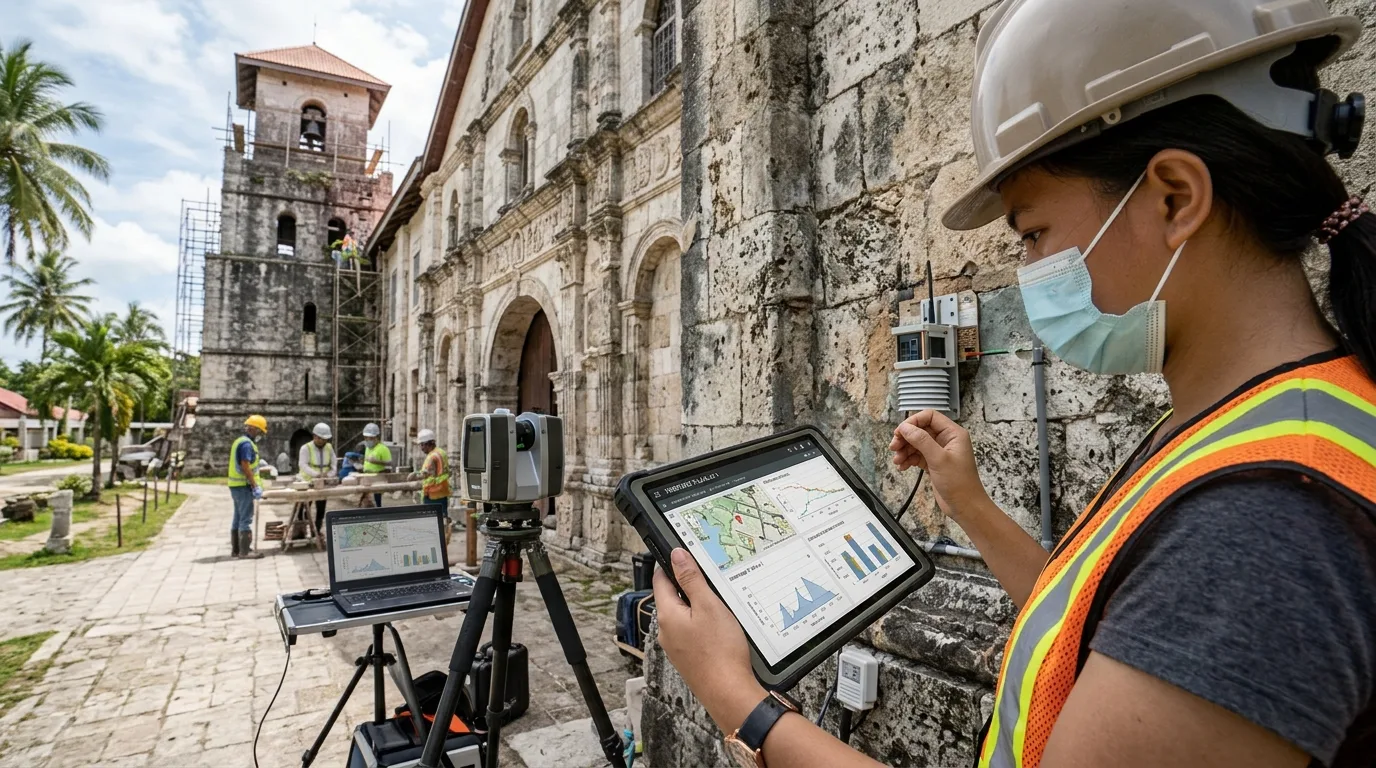
Heat, humidity, heavy rainfall, and exposure to moisture can influence how well renovation materials perform over time. Homeowners should pay attention to roof leaks, ventilation, waterproofing, drainage around the property, and areas where water may collect after prolonged rain. Properly selected roofing materials, moisture-resistant finishes in appropriate locations, treated timber, and well-designed ventilation can help reduce maintenance problems. Older homes may also contain traditional materials, such as coral stone, hardwood, or heritage architectural details, that require specialized repair methods instead of immediate replacement. The National Museum of the Philippines’ restoration work at historic properties in Bohol illustrates the importance of understanding original construction methods when conserving older structures. Choosing suitable materials and skilled contractors can help preserve a home’s character while improving comfort and durability.
Plan the Budget, Permits, and Heritage Requirements
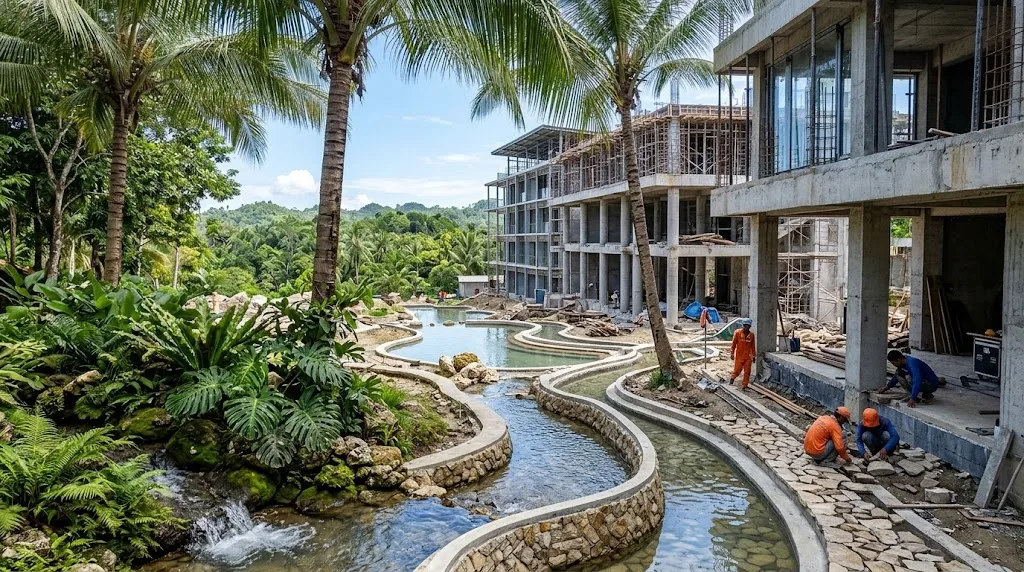
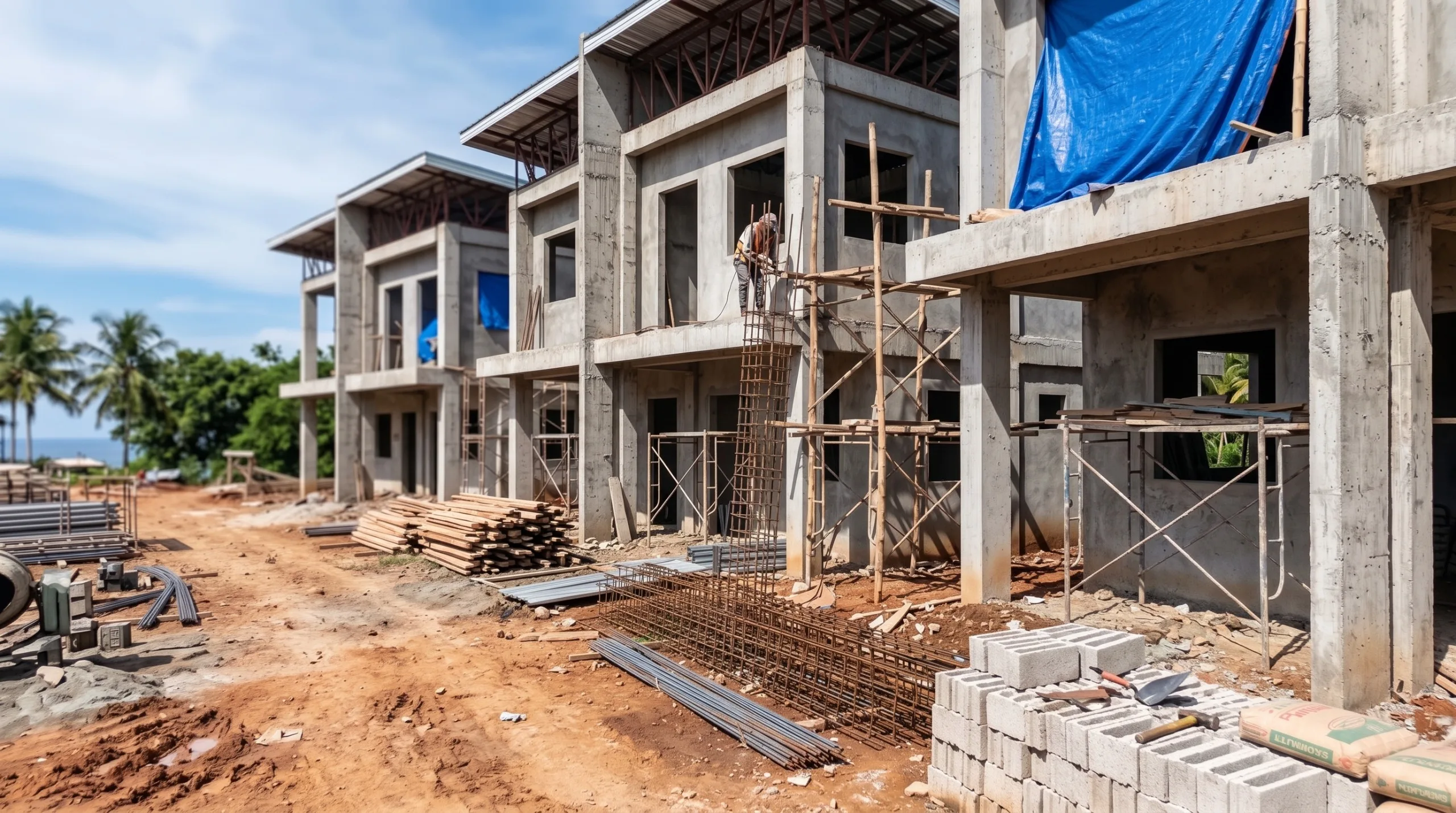
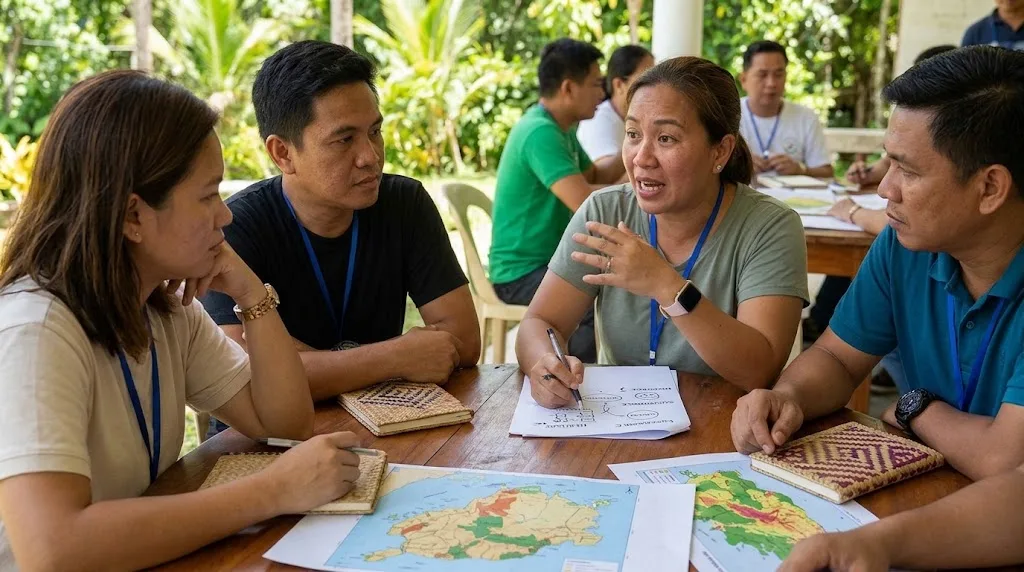
Before work begins, homeowners should prepare a detailed budget covering labor, materials, professional fees, permits, temporary accommodation if needed, and a contingency for unexpected repairs. It is also important to consult the local Office of the Building Official about applicable building permit requirements. Under the National Building Code of the Philippines, building alterations, repairs, and other covered work generally require a permit before implementation. Additional review may apply to historically significant properties: the National Historical Commission of the Philippines provides guidance on proposed modifications to historic structures, including those at least 50 years old. Owners should confirm whether their property falls under relevant heritage protections before changing its exterior, removing original features, or undertaking major reconstruction. With careful planning, professional guidance, and respect for the home’s existing character, renovation can make an older Bohol property more functional while retaining the features that give it a sense of history.