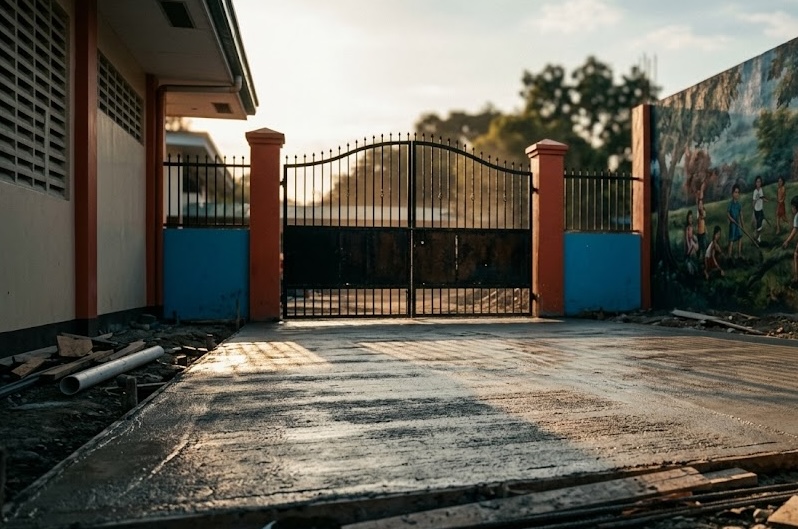
Looking Beyond Property Listings
When people think about real estate, they often picture homes, commercial buildings, and land values. However, the quality of nearby public infrastructure plays a significant role in shaping how communities develop. School improvements such as perimeter fences, drainage systems, and facility upgrades may appear modest compared to large construction projects, yet they influence safety, accessibility, and daily life. Families frequently evaluate public services when deciding where to live. Investments in educational spaces therefore contribute to the attractiveness of surrounding neighborhoods while supporting long-term community stability and growth.
Public Facilities Shape Private Decisions
The relationship between public infrastructure and private choices is often overlooked. Residents may not consciously connect a renovated school facility to property value, but the link exists. Communities with functional public spaces tend to attract greater participation and confidence. Improvements to educational environments help create conditions where families feel supported and connected. This influence extends beyond the school grounds themselves. Nearby businesses, service providers, and residential areas all benefit when public facilities are maintained and actively used by the community they serve.
Small Projects, Lasting Effects
Urban development does not always arrive through dramatic transformations. Sometimes it advances through incremental improvements that gradually strengthen the foundation of a community. The educational projects completed in Ozamiz City reflect this type of progress. Their significance lies not only in what was built but also in the role those facilities play within everyday life. These investments demonstrate that development can occur through practical improvements that enhance public spaces and support future growth without requiring large-scale construction.