A Conversation About the Ground Beneath Ozamiz
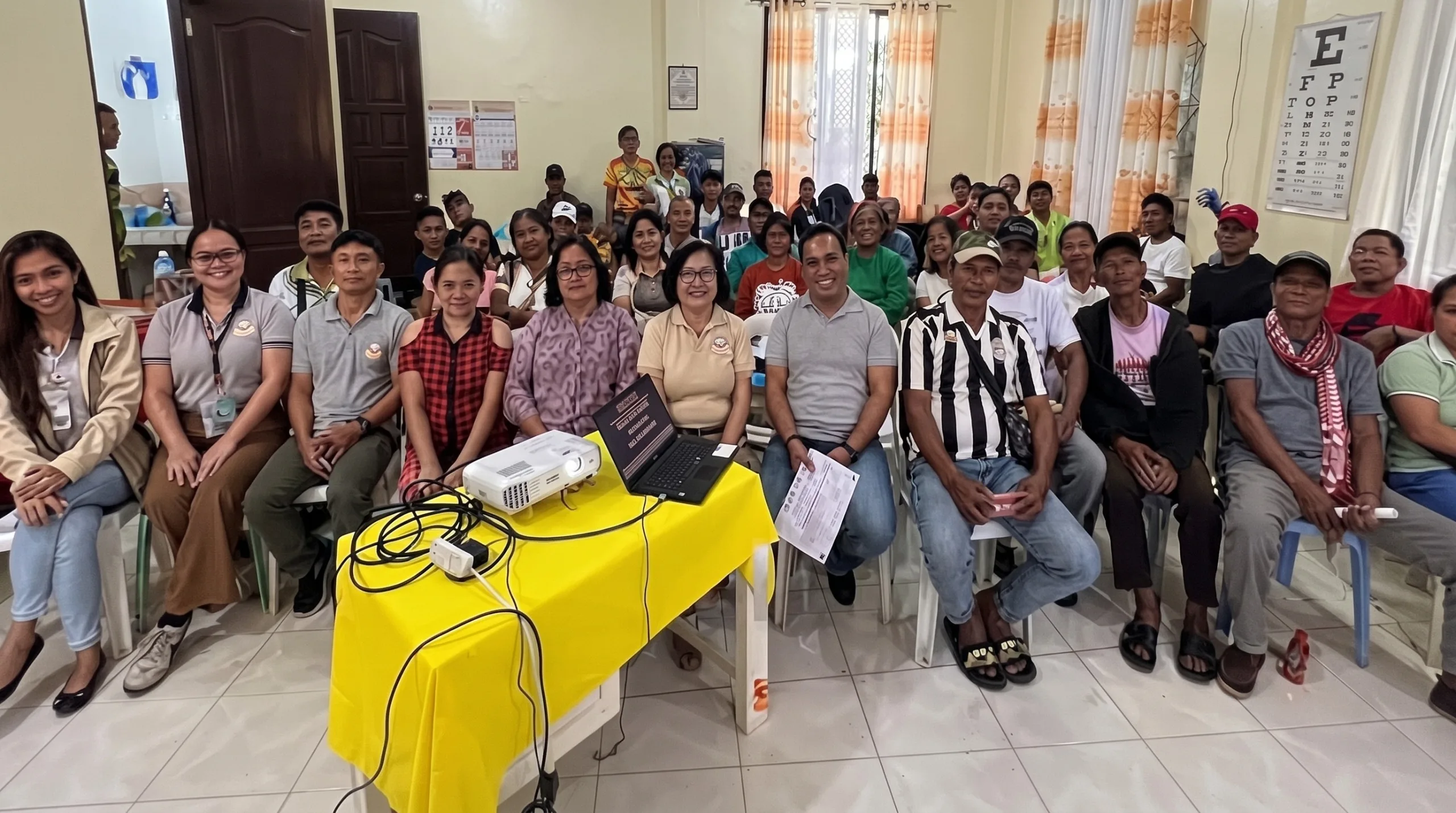
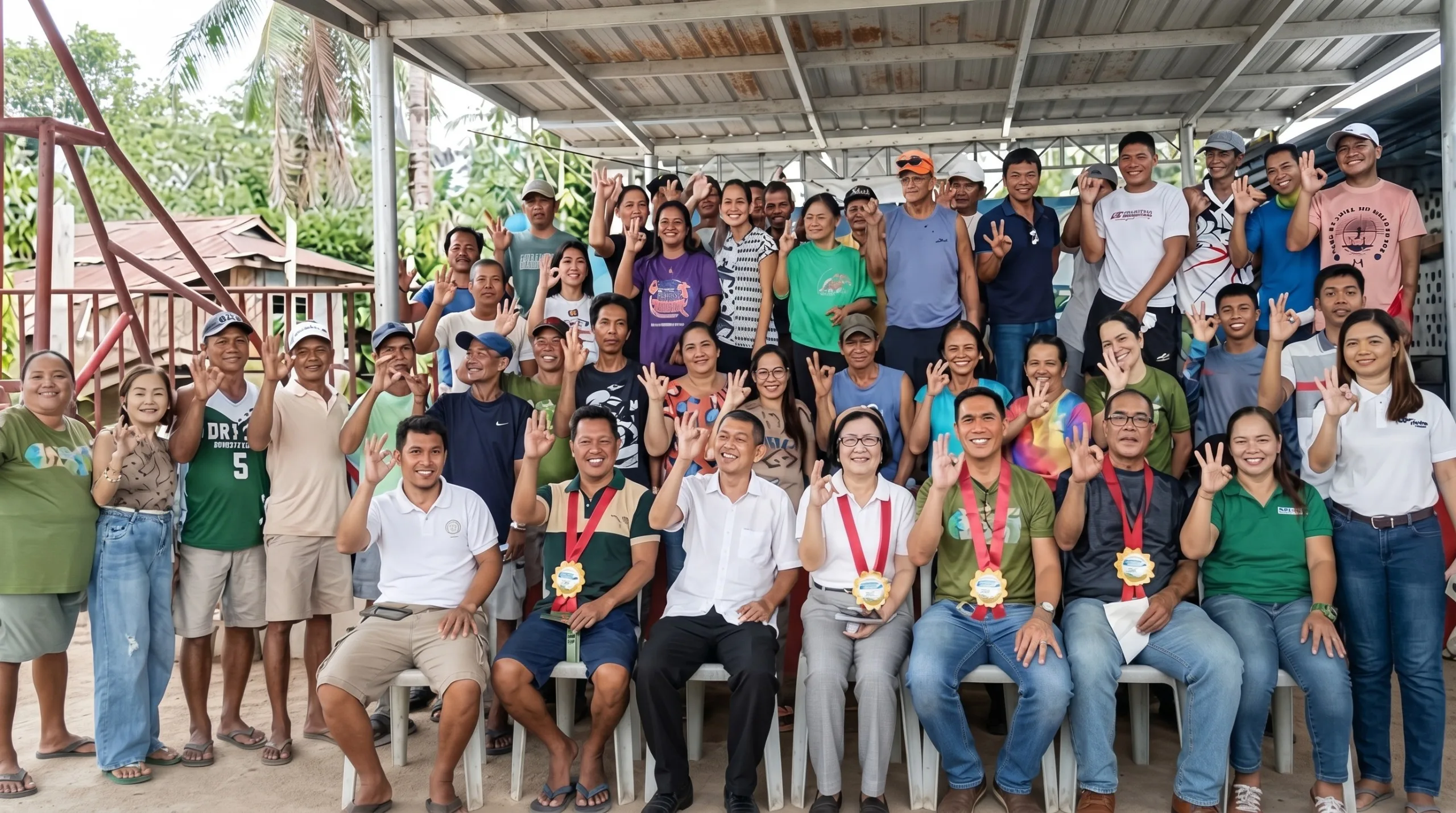
OZAMIZ CITY - The DA-BSWM visit brings attention to something often overlooked when agriculture is discussed: the condition and management of the land itself. According to the September 22 post from the City Government, the visiting team met with Mayor Sam Norman G. Fuentes as part of efforts to strengthen coordination between the agency and Ozamiz City. The Bureau of Soils and Water Management is a specialized agency under the Department of Agriculture whose work includes soil and water resources management, making its involvement particularly relevant to agricultural planning. The courtesy visit therefore creates a useful starting point for exchanging information and identifying areas where national technical expertise may complement local priorities.
Where Soil and Water Become Part of the Conversation
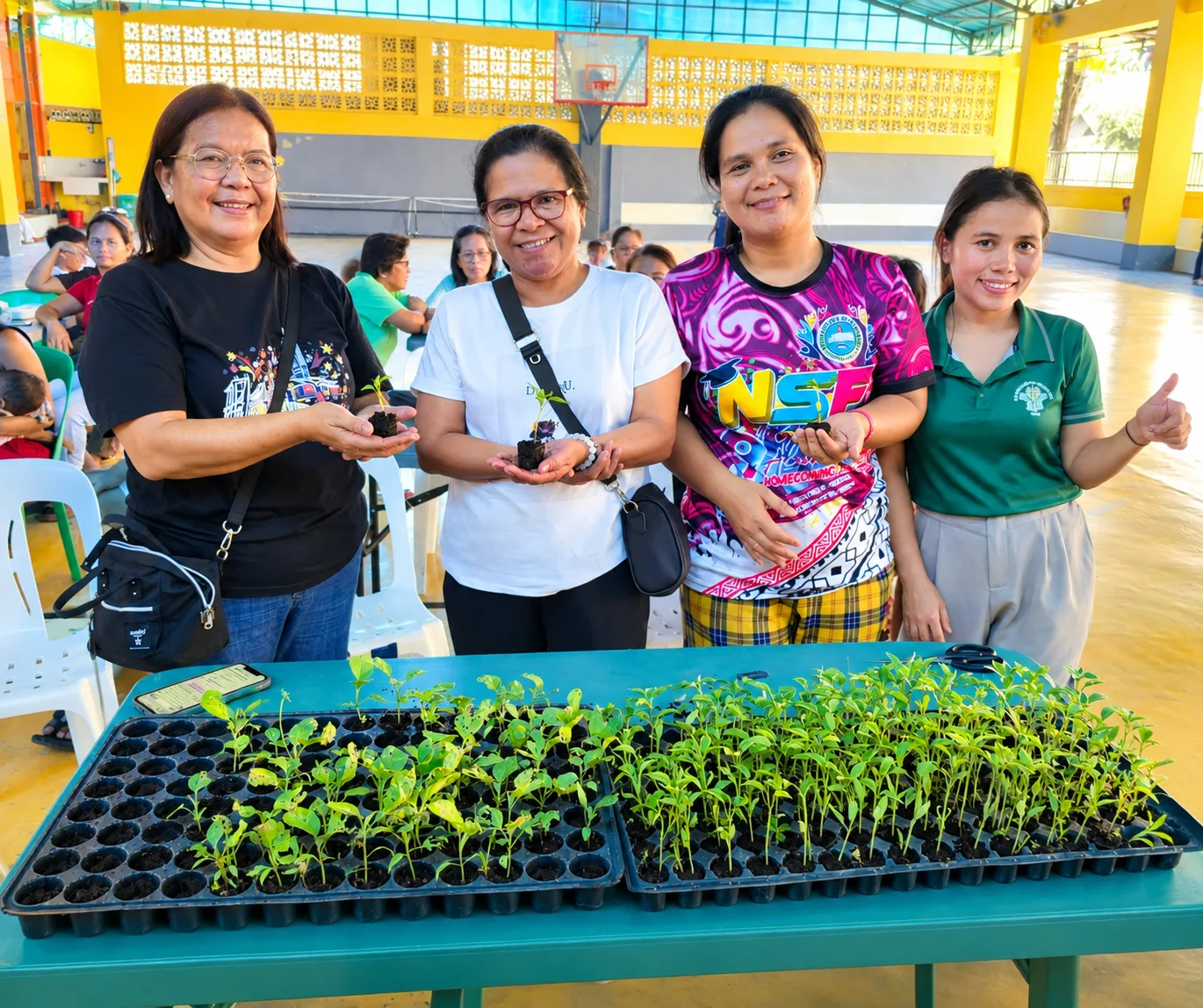
Agriculture depends on more than planting and harvesting; the condition of soil and the availability and management of water also influence how productive land can remain over time. The Ozamiz City post said the meeting opened opportunities for closer collaboration involving agriculture, soil management, and water resources, placing these connected concerns at the center of the discussion. BSWM's mandate includes providing technical support related to soil and water resources management, including information and technologies that can assist agricultural development. For Ozamiz, having a direct conversation with the national bureau creates room to explore how technical knowledge may eventually connect with local agricultural needs, without assuming specific projects have already been agreed upon.
Turning a Courtesy Visit Into Future Possibilities
What makes the September 22 meeting worth noting is its potential to develop into practical coordination over time. The City Government's post describes the visit as an opportunity to strengthen partnerships and work toward shared goals involving sustainable development and community welfare, but it does not announce a finalized program, funding package, or specific agricultural project. That distinction keeps the story grounded while still recognizing the value of making connections before programs take shape. With agriculture, soil, and water management placed on the table, future discussions could give Ozamiz another avenue for accessing relevant government expertise and exploring appropriate initiatives. For now, the meaningful development is the opening of that conversation.