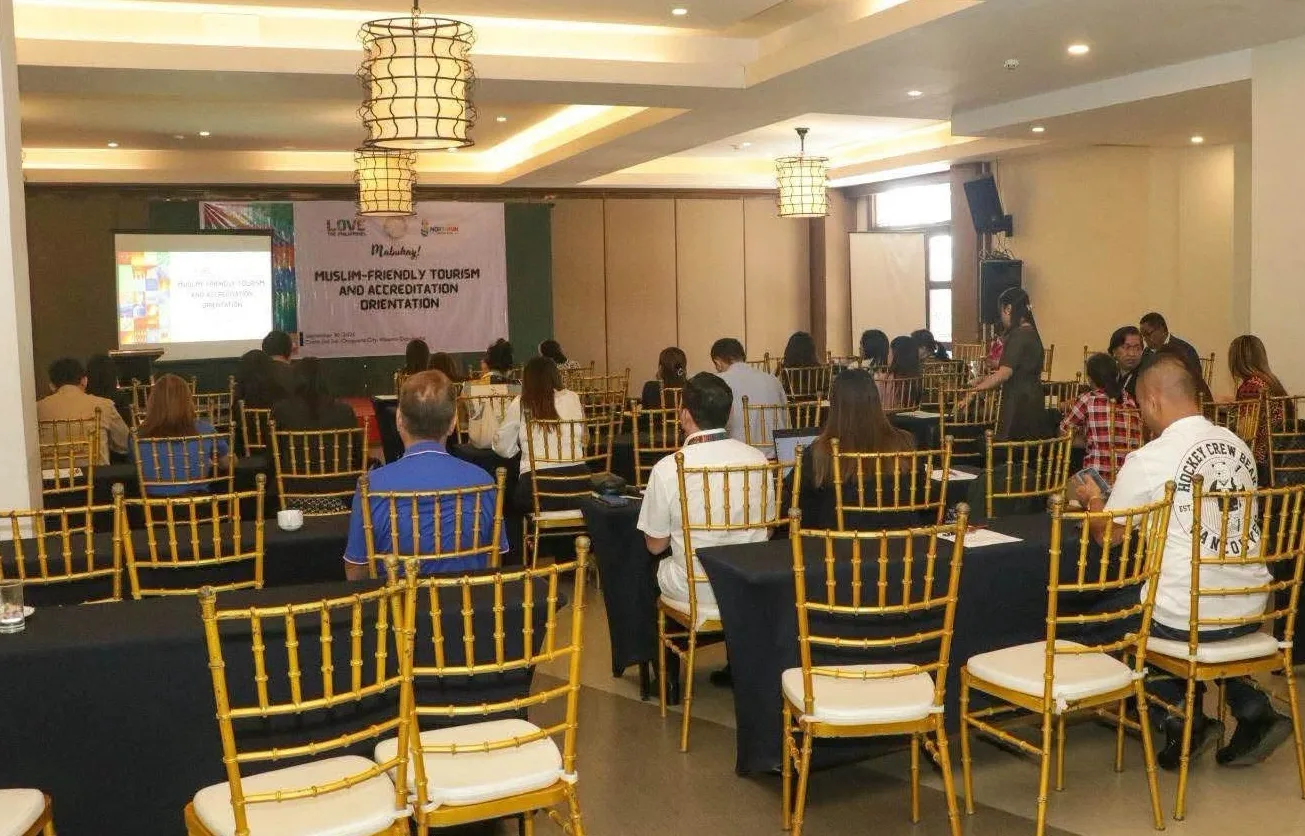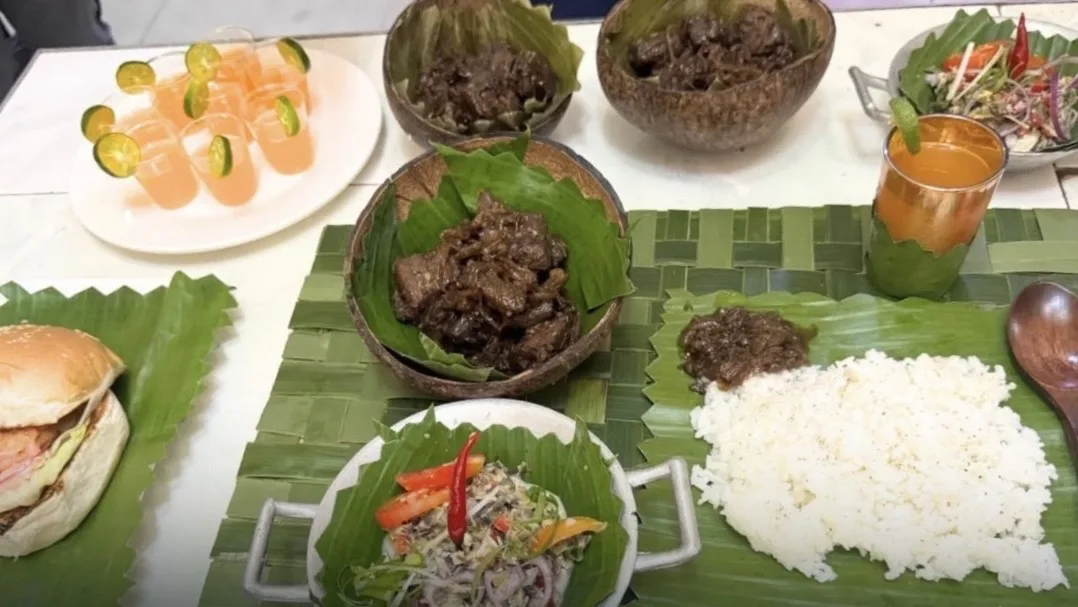
BISLIG CITY — The Community-Based Tourism Kulinarya Workshop, held November 3–4, 2026, brought together local culinary artisans, home cooks, and tourism frontliners for a two-day session that treated food not simply as culture but as a commercial proposition. The gathering, organized by the Department of Tourism Caraga Region with the Tourism Operations Division of the Bislig City Tourism, Culture and the Arts Office, focused on the practical mechanics of turning local dishes into products that can compete for visitor spending. For a city where micro and small enterprises dominate the food and beverage sector, the workshop addressed a specific gap: the distance between a good home recipe and a viable tourism business.
The Barriers That Keep Local Vendors Small
Food service enterprises are among the most accessible entry points into tourism-related livelihoods, requiring comparatively low capital but demanding high standards of hygiene, consistency, and presentation. In Bislig City, MSMEs operate within competitive yet resource-scarce environments, facing operational inefficiencies, unstable sales, and constrained access to finance. Those constraints mean that a vendor with a strong product can still lose out to a larger establishment that knows how to package, price, and market its offerings. The Kulinarya workshop targeted that imbalance directly, equipping participants with skills in food preparation, presentation, sanitation, and marketing, the operational basics that separate a stall from a brand.
What the Training Changed for Participants
The curriculum moved beyond technique into the economics of food tourism. Sessions on heritage, nutrition, sustainability, and storytelling gave participants a framework for understanding what visitors are actually paying for when they choose a local dish over a familiar chain. The answer is rarely just flavor; it is the narrative, the setting, and the assurance that the food was prepared safely. By strengthening those elements at the community level, the workshop gave local vendors a better chance to capture tourism revenue that might otherwise have flowed to larger establishments. The two-day format did not resolve the structural challenges MSMEs face, but it provided a starting point: a clearer sense of how to compete, and a set of skills that could be applied immediately.