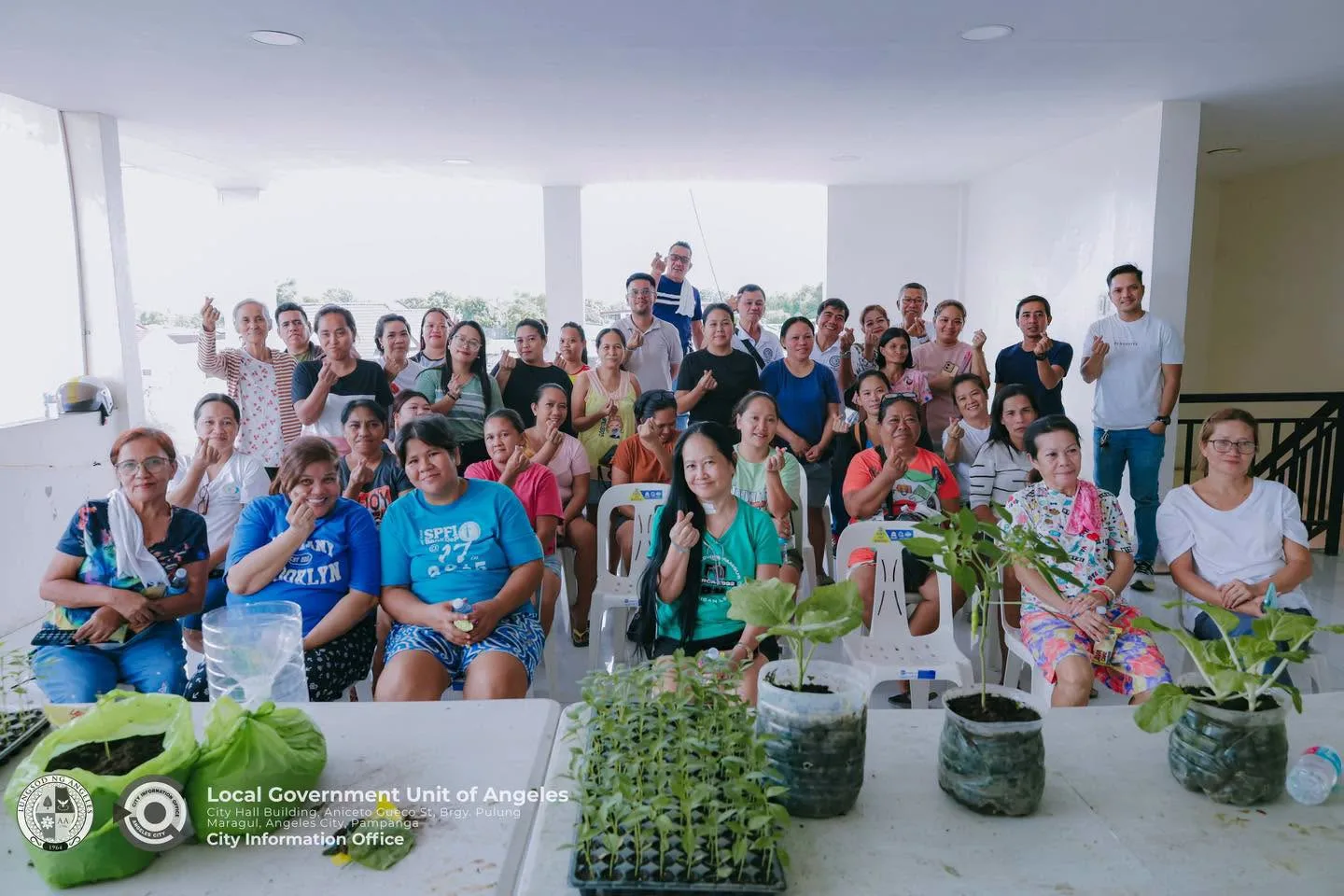
ANGELES CITY, PAMPANGA — Tired of skyrocketing grocery prices? Residents of Barangay Ninoy Aquino in Angeles City are discovering a smart, eco-friendly way to fight back—by growing their own fresh produce right where they live. Backed by Mayor Carmelo "Jon" B. Lazatin II, the Angeles City Government has brought its flagship Gulayan sa Barangay initiative straight to the heart of Barangay Ninoy Aquino. Spearheaded by the City Agriculture Office, the program is proving that you do not need a sprawling farm to harvest healthy, homegrown meals.
Modern, Space-Saving Gardening Skills
Instead of sticking solely to traditional farming, agriculture experts are equipping local residents with modern, space-saving gardening skills tailored for city living. Participants are getting hands-on training in three game-changing techniques: hydroponics, which involves growing lush vegetables using nutrient-rich water instead of soil and is ideal for tight urban spaces; basic seedling production, where residents learn how to nurture healthy crops right from the very first sprout; and organic fertilizer production, which teaches them to turn everyday waste into chemical-free plant food that keeps both gardens and the environment thriving . These techniques are particularly valuable in urban settings where land is limited, allowing families to maximize whatever space they have—whether it's a small backyard, a balcony, or even a windowsill—to produce fresh, nutritious food for their households.
A Grassroots Shift Toward Self-Reliance
More than just a gardening workshop, the drive is sparking a grassroots shift toward self-reliance. By empowering Angeleños with alternative food production skills, the city is helping families put fresher, safer food on the table while cutting down on household food expenses . As neighbors team up to cultivate greener streets and shared community gardens, Barangay Ninoy Aquino is showing how small steps at home can grow into a cleaner, more productive, and self-sustaining Angeles City—one that values food security, environmental stewardship, and the strength of community bonds built through shared gardening efforts.