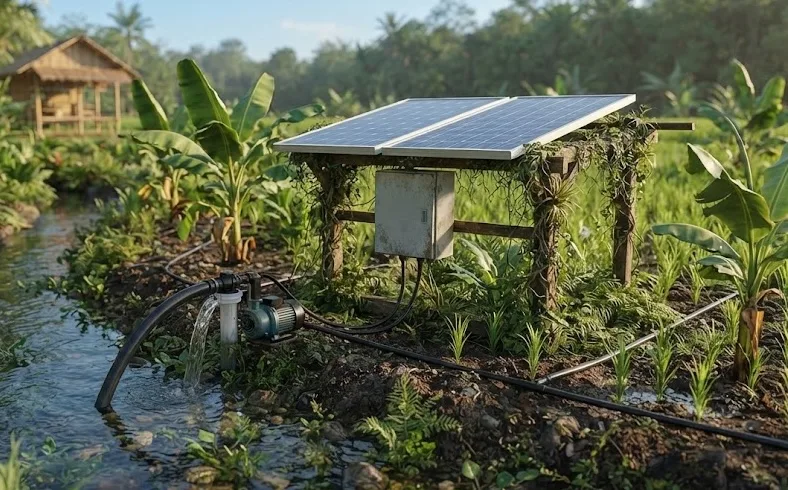
The future of Philippine agriculture is basking in the sun, and the province of Pampanga is leading the charge toward a climate-resilient green revolution. In a decisive move to protect local food security and shield farming communities from economic shocks, the Provincial Government of Pampanga has officially accelerated the deployment of Solar-Powered Irrigation Systems (SPIS) across its expansive agricultural landscape. This high-impact sustainability push serves as a direct, structural shield against volatile global oil price hikes and the destructive, parching effects of climate anomalies like El Niño. By trading expensive fossil fuels for unlimited, clean solar energy, the province is successfully ensuring that local farmlands remain richly hydrated without consuming the hard-earned profits of everyday Kapampangan farmers.
Dismantling the Burden of Fuel Dependence
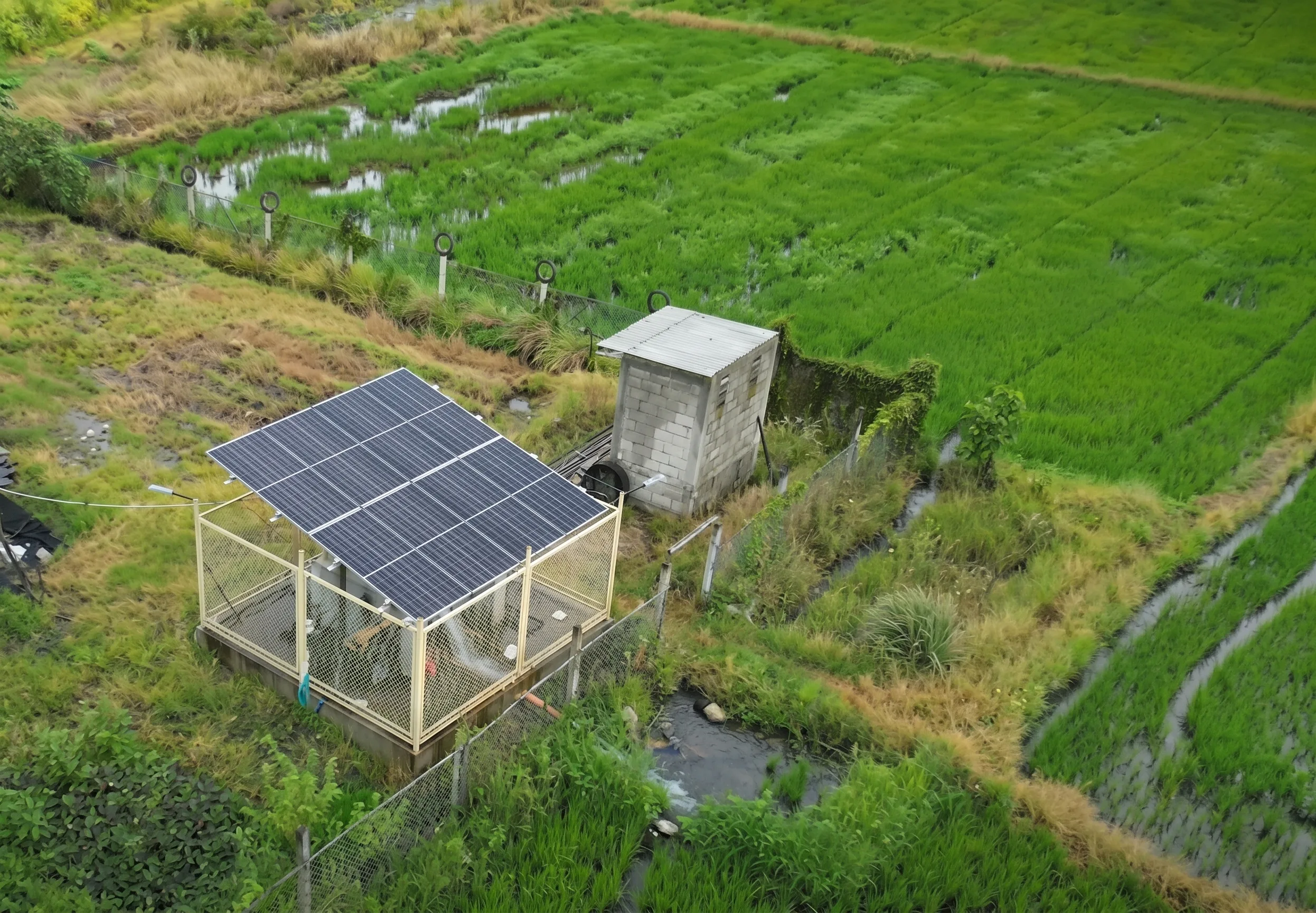
For decades, traditional farming communities have relied on shallow tube wells powered by conventional, noisy diesel engines to pump water into their fields. However, with persistent global fuel market price spikes, the heavy cost of operating these pumps has continuously drained local household incomes, making it difficult for smallholders to sustain their cropping cycles. Local farmers admit that before the arrival of the SPIS units, sustaining rice paddies during the peak dry season felt like an impossible battle, requiring thousands of pesos in fuel purchases just to keep crops alive. The introduction of the solar-powered network permanently rewrites this narrative. Engineered with premium photovoltaic panel grids, electronic controllers, and high-traction submersible pumps, the SPIS units harness natural sunlight to deliver six to eight hours of continuous, high-volume irrigation daily—completely free of electricity and fuel overhead costs.
Embracing Smart Agriculture: The AI-Assisted Edge
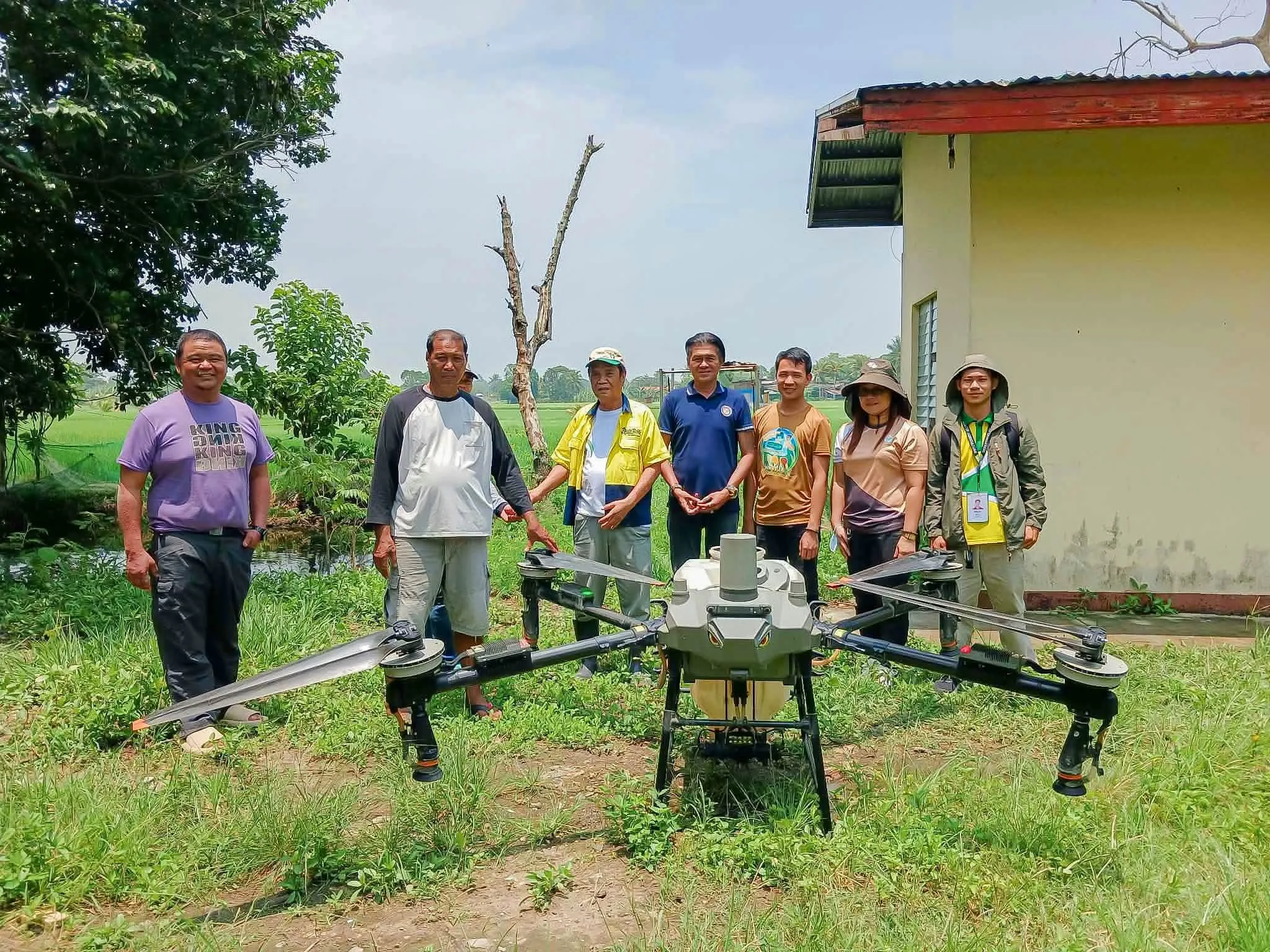
Pampanga is not merely shifting to renewable energy; it is modernizing the absolute technological framework of farming. Under the province's aggressive modernization program executed in tight Public-Private coordination with the National Irrigation Administration (NIA) and the Department of Agriculture (DA), the goal is to fully install 50 master solar-powered irrigation units by 2027. The flagship model of this initiative is the newly deployed system at Candating–Sapang Paitan in Candaba, Pampanga. This premium installation features cutting-edge Artificial Intelligence (AI)-assisted digital monitoring. By utilizing satellite data, automated water-flow switches, and smart soil-moisture sensors, the system tracks real-time agricultural conditions. It automatically releases water precisely when the soil needs it, guaranteeing maximum crop health while eliminating precious water resource wastage. Data from local agricultural monitoring shows that transitioning to solar infrastructure allows farmers to confidently scale up their operations, sustaining up to three cropping cycles annually regardless of climate disruptions. Furthermore, because these solar arrays operate entirely independent of the main commercial electrical grid, they continue to pump water and protect fields even during severe weather typhoons or widespread grid power outages. As the gleaming solar panels continue to multiply across the sweeping fields of Candaba, Lubao, and San Simon, the Provincial Government of Pampanga proves that the ultimate answer to modern environmental challenges lies in clean, digital, and climate-resilient water management.