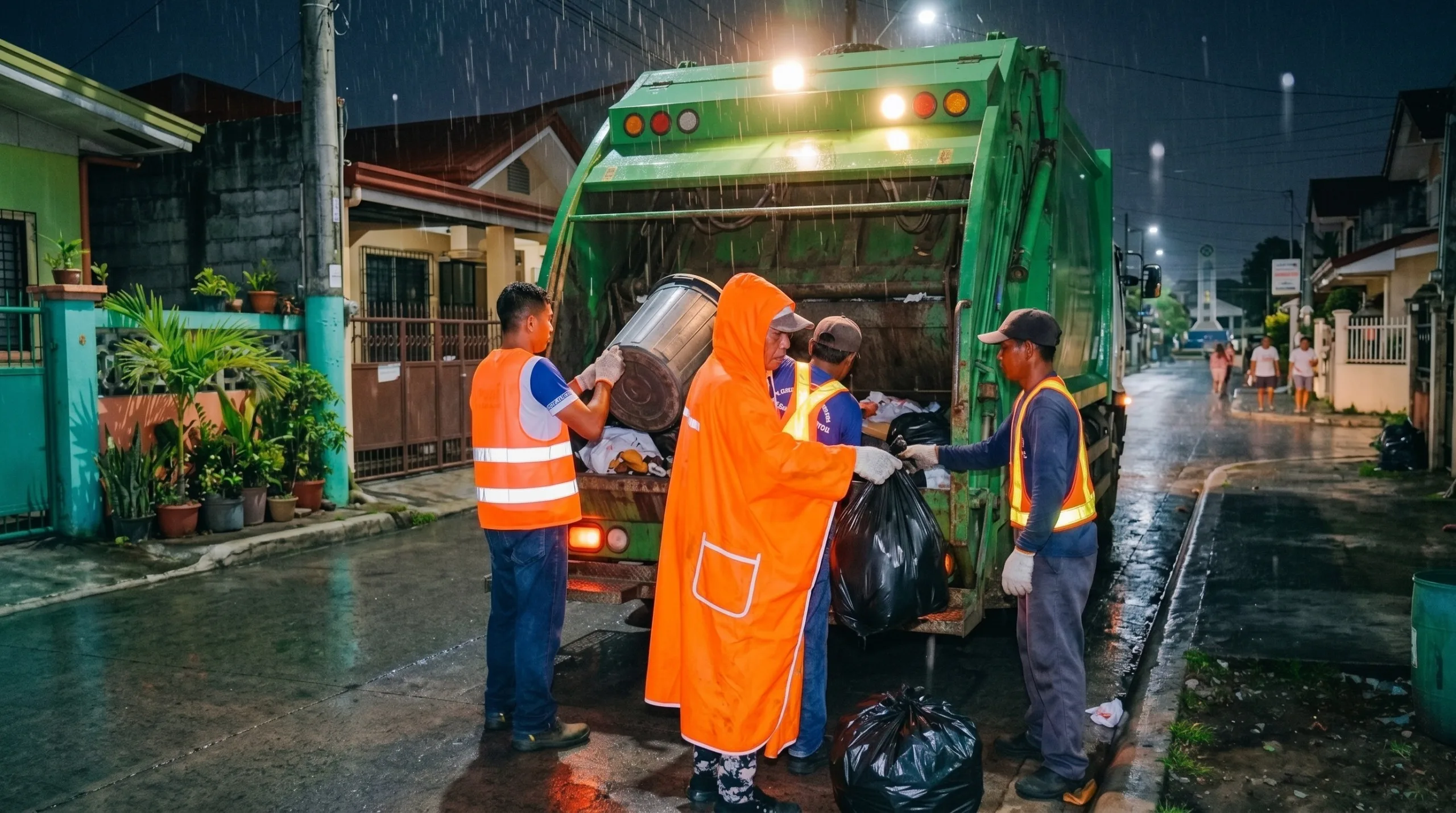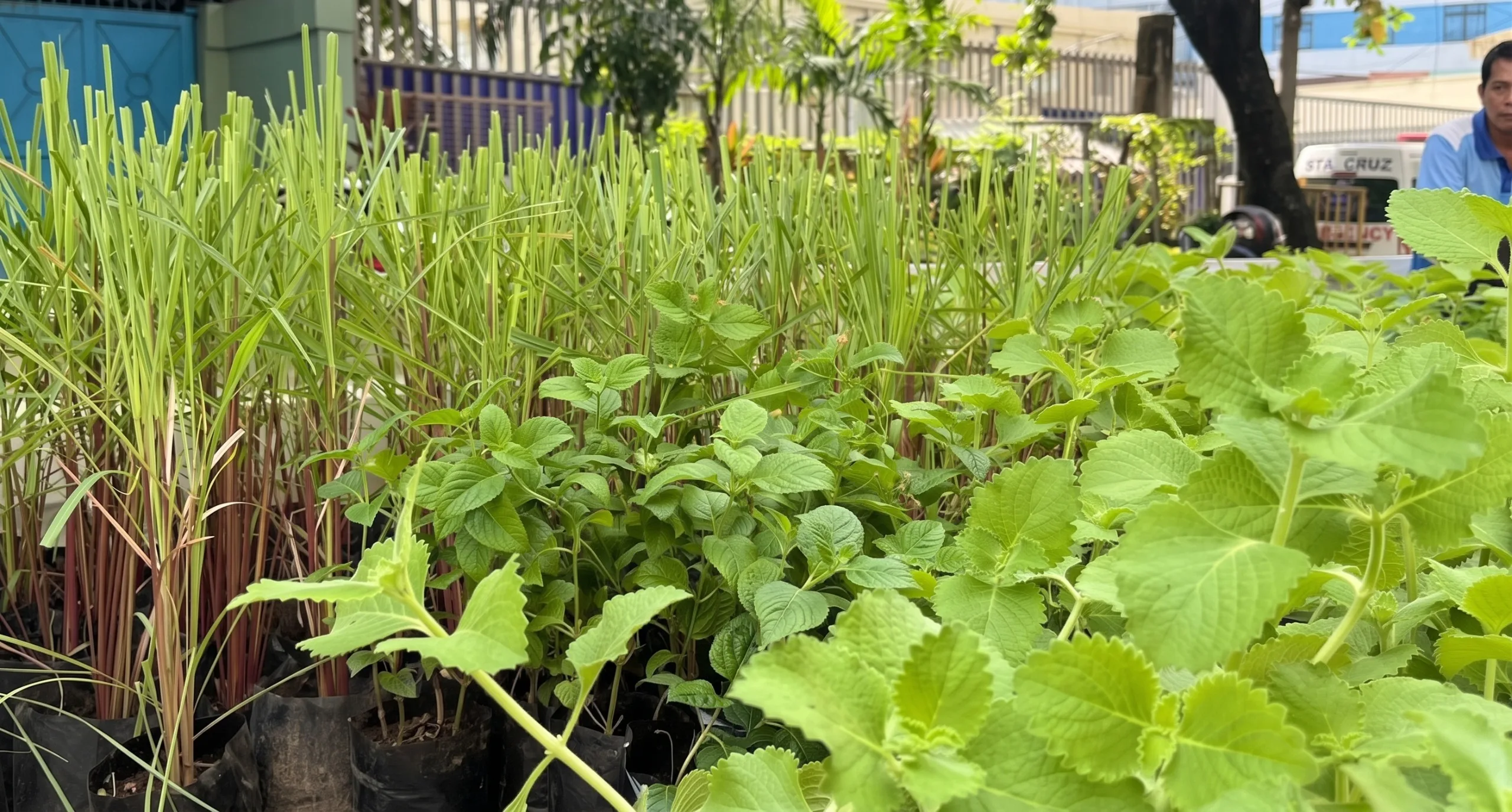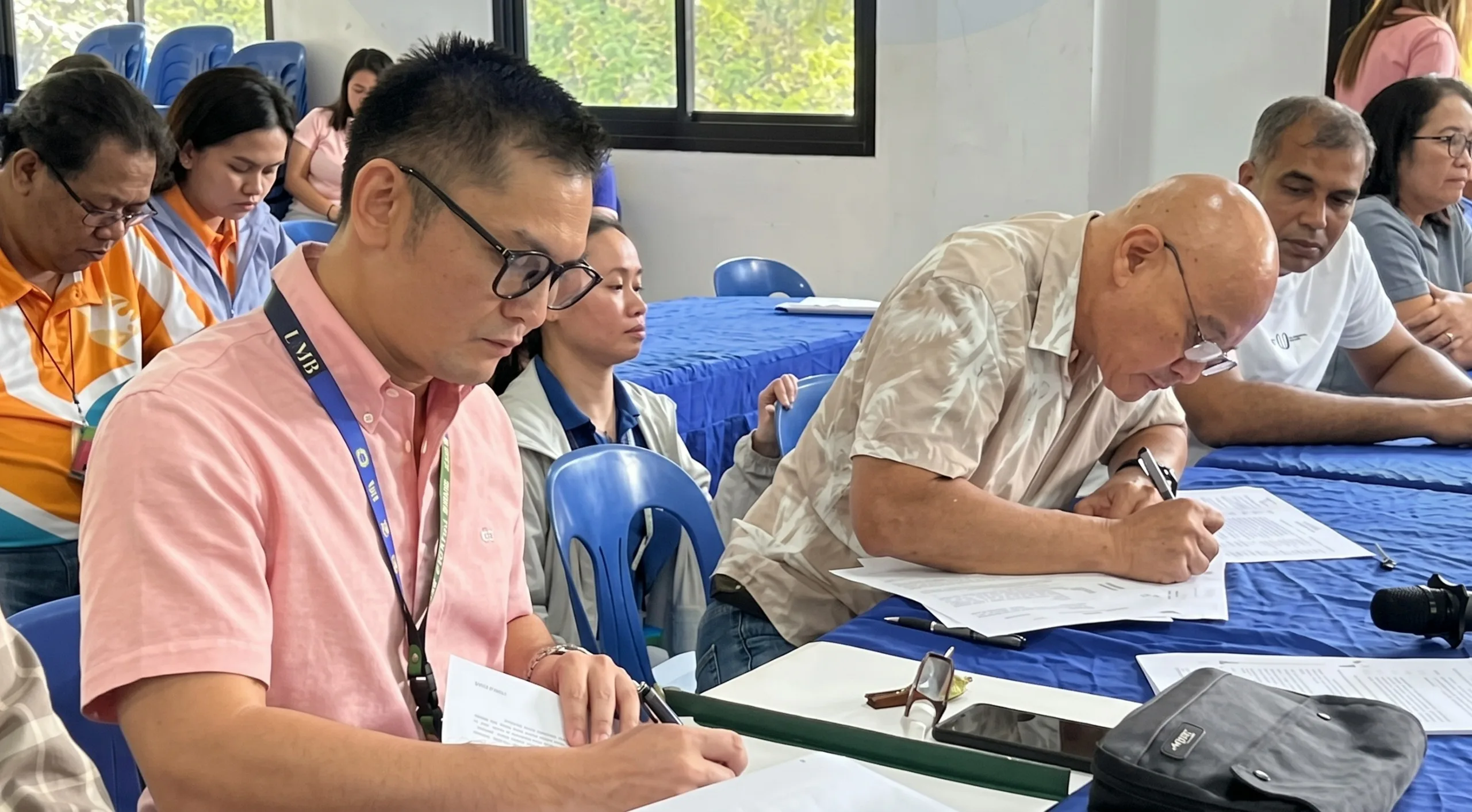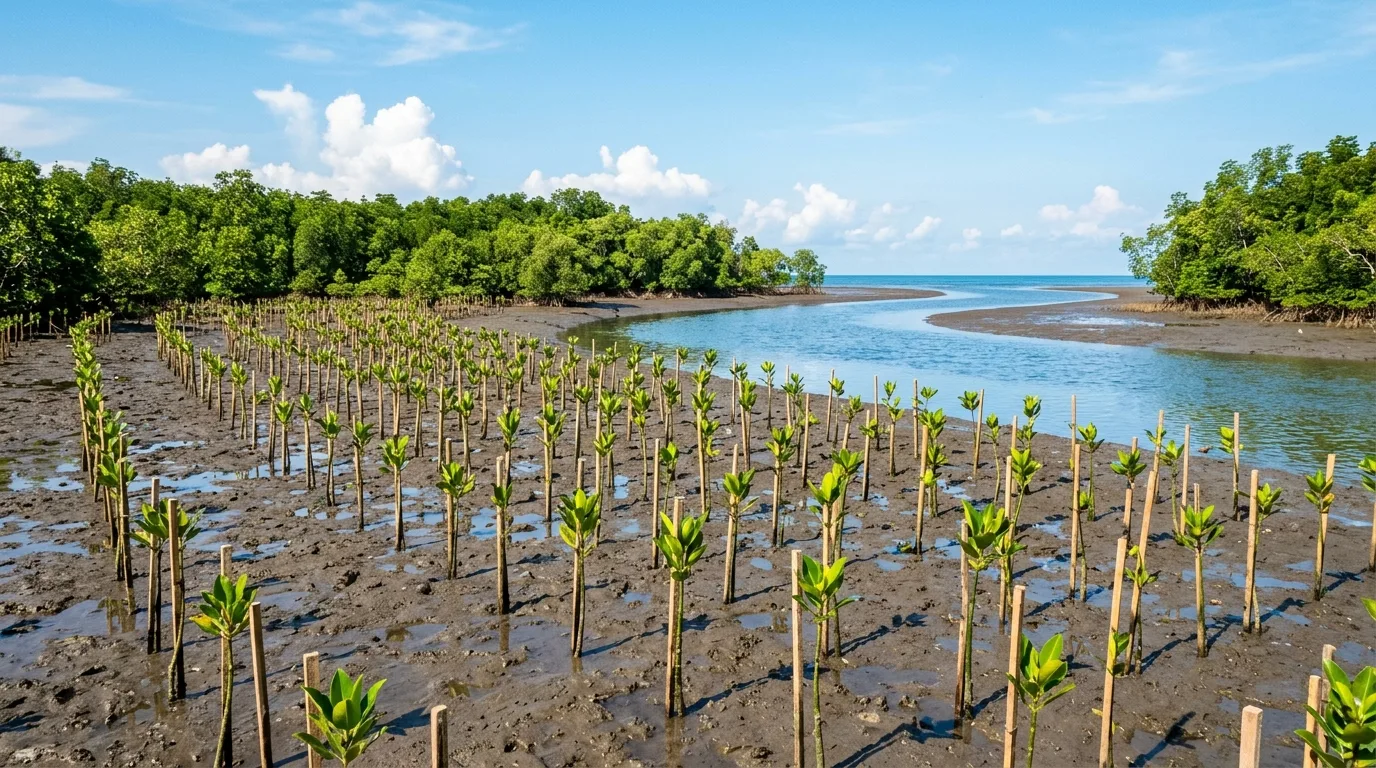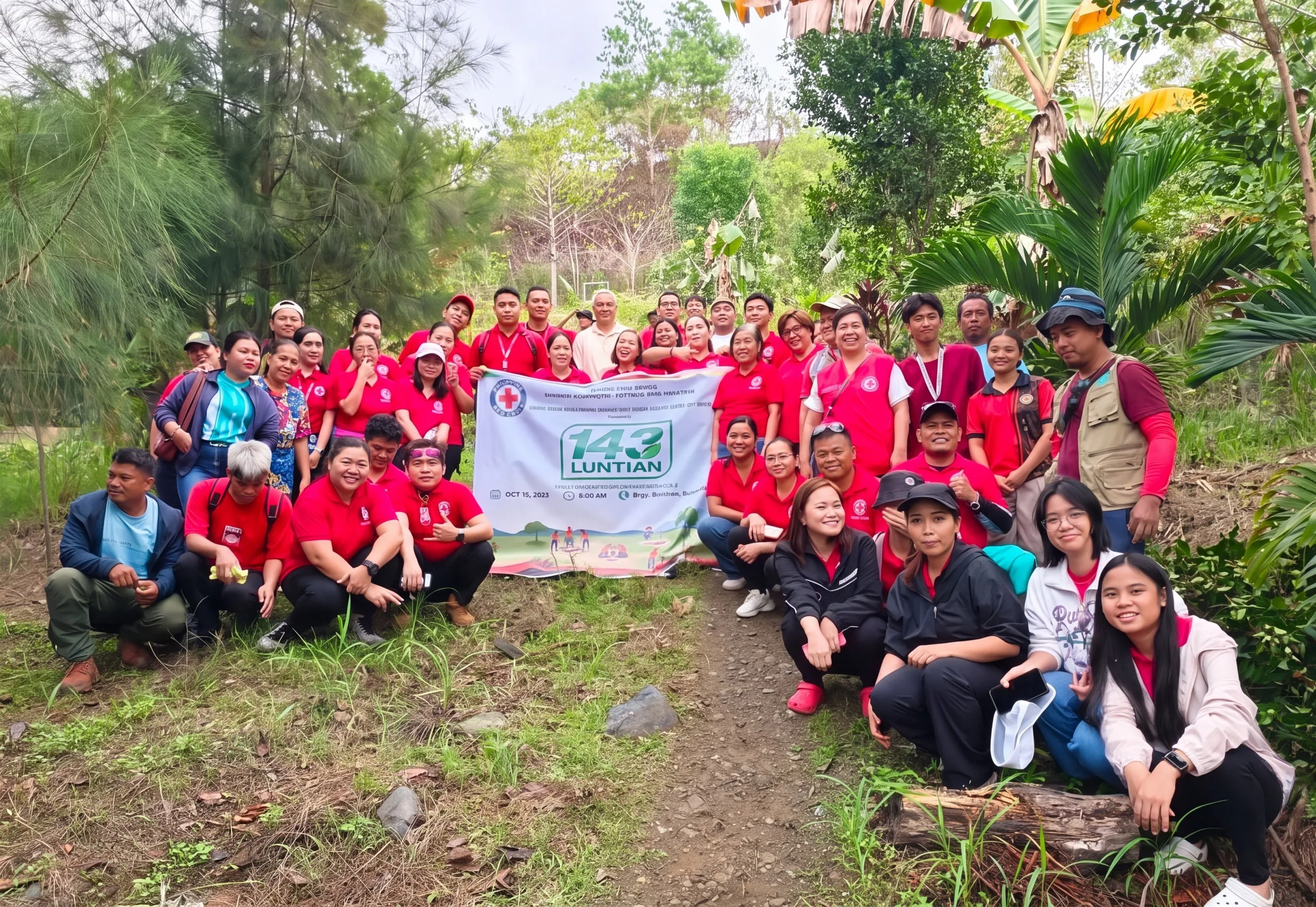
BUTUAN CITY — In Purok 5, Barangay Bonbon, the Philippine Red Cross Agusan del Norte–Butuan City Chapter planted 150 seedlings of magkuno, camagong, and aguho trees on October 15, 2026, in celebration of the International Day for Disaster Risk Reduction. The activity, part of the RC 143 Luntian program, brought together 11 staff members, 23 volunteers, indigenous peoples, and partner organizations. But beyond the numbers, the choice of species tells a deeper ecological story about forest restoration, native biodiversity, and the role of trees in protecting vulnerable landscapes.
A Living Archive of Native Species
Each seedling carries an ecological legacy. Magkuno, or Philippine ironwood, is classified as Vulnerable by the IUCN due to overharvesting and habitat loss, yet it produces one of the hardest and most durable timbers in the world. Camagong, or kamagong, is a critically endangered indigenous tree prized for its dense, dark wood. Aguho, or agoho, is a fast-growing coastal species used in reforestation for its ability to stabilize soil. Planting these three together is not a random act; it is a deliberate effort to rebuild a native ecosystem with species that belong in Caraga's forests.
Forests as Natural Defense Systems
The activity drew a direct line between environmental restoration and disaster resilience. Trees prevent soil erosion, stabilize slopes, and mitigate flood and landslide risks, functions that become more critical as climate-related hazards intensify. Brief educational sessions during the planting reinforced these connections for participants. The RC 143 Luntian activations for 2026 leaned heavily into the broad umbrella of National Disaster Resilience and nature-based solutions, emphasizing that environmental protection and community preparedness are inseparable. The observance of the International Day for Disaster Risk Reduction provided the framework for this linkage, underscoring that resilience begins with the landscapes communities inhabit.
Growing Beyond the Headlines
The 150 seedlings are a modest start, but their significance lies in the follow-through. Participants were encouraged to monitor and care for the trees, turning a single-day event into a long-term commitment. The RC 143 Luntian program has carried out similar activities nationwide, from Zambales to Negros Occidental, planting thousands of native trees. In Butuan City, the effort contributes to a broader greening movement that includes DENR Caraga's partnership with the Caraga Ancestral Producers Cooperative, which is set to plant 3,600 indigenous seedlings in the same barangay over three years.
A Legacy Rooted in Place
Tree-planting is often framed as a response to climate change and disaster risk. But when the species are native, the participants include indigenous communities, and the commitment extends beyond a single morning, the act becomes something else: a statement about ecological stewardship and the kind of environment a community wants to pass on. In Barangay Bonbon, that future is taking root, one magkuno, camagong, and aguho at a time.