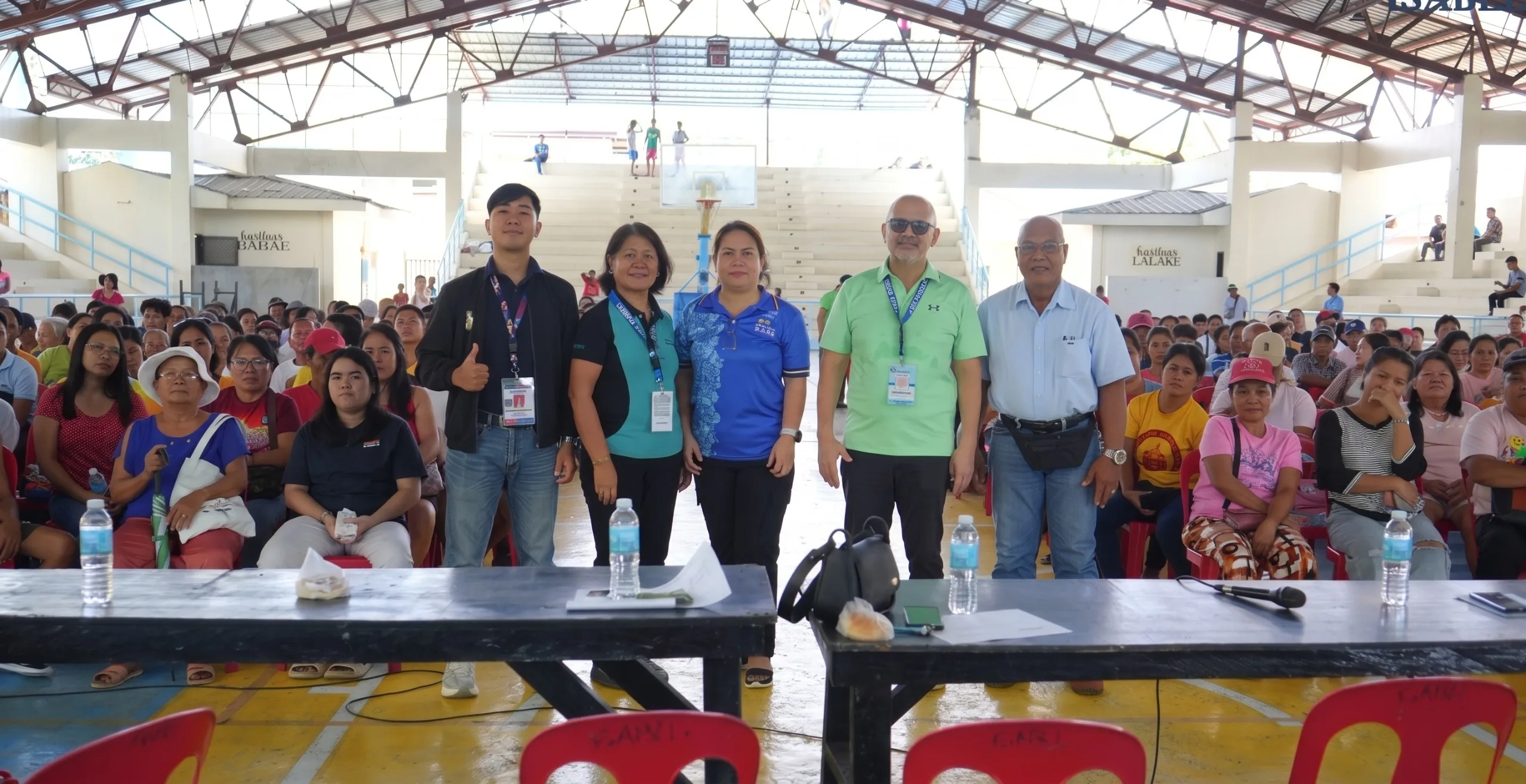
Creating sustainable livelihood opportunities is an important part of strengthening local communities. In Taguig City, efforts to help residents become more economically independent continue through programs that provide practical assistance to qualified beneficiaries. On August 20, Taguig City highlighted the distribution of livelihood packages designed to help Taguigeños start or improve small businesses. The initiative was carried out in partnership with the Department of Labor and Employment (DOLE) and the office of Cong. Jorge “Bo” B. Bocobo, providing residents with resources that can serve as a starting point for their entrepreneurial journey.
From Assistance to Enterprise
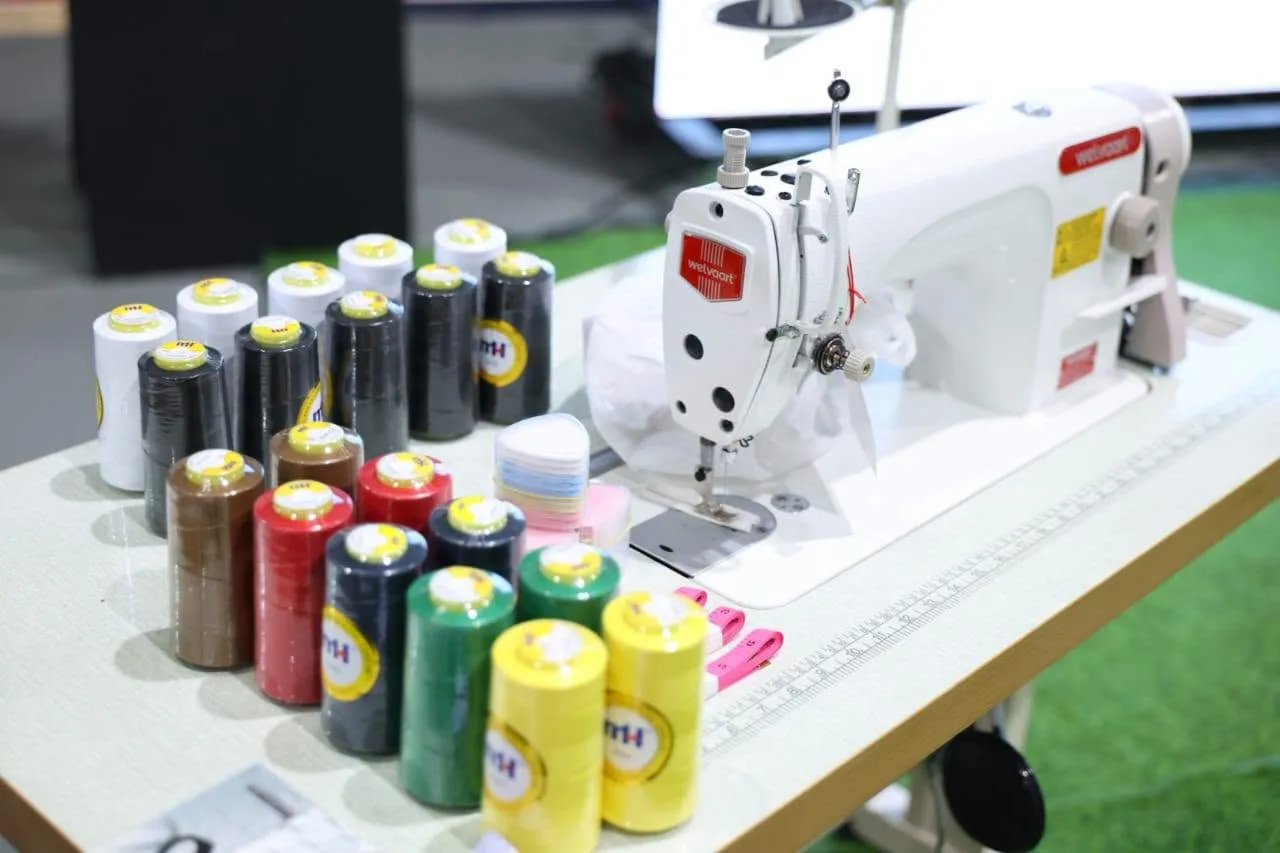
Rather than providing short-term assistance alone, livelihood packages can give beneficiaries the tools needed to develop their own sources of income. The program reflects an approach centered on helping residents turn available skills and resources into sustainable businesses. Among the packages distributed were Meat Processing, Tailoring, Carinderia, and Barbecue packages, each designed to support different types of livelihood activities. These resources can help beneficiaries transform their existing skills and interests into income-generating opportunities while allowing them to build businesses within their communities.
Supporting Different Skills and Businesses
The variety of livelihood packages demonstrates how entrepreneurship can take different forms. A tailoring package, for example, can support residents interested in sewing and clothing-related services, while a carinderia package can help aspiring entrepreneurs establish a small food business. Similarly, meat-processing and barbecue packages can provide opportunities for residents to enter the food and food-production sector.
By offering different types of support, livelihood programs can accommodate the diverse abilities and economic needs of community members.
Strengthening Local Entrepreneurship
Small businesses play an important role in local communities. They provide income for families while also supplying products and services to nearby residents. When individuals receive the necessary tools to begin a business, the benefits can extend beyond the individual beneficiary. Successful microenterprises can contribute to neighborhood economic activity, create additional employment opportunities, and encourage other residents to explore entrepreneurship. In this way, livelihood assistance can become part of a broader effort toward community-based economic development.