


José F. Ozámiz: The Name on the City
OZAMIZ CITY - Few historical figures are as closely tied to Ozamiz as José F. Ozámiz. Born in Misamis Occidental in 1898, he became a lawyer and public servant, serving as governor of Misamis Occidental from 1929 to 1931, a representative, a Constitutional Convention delegate, and later a member of the National Assembly. During World War II, he joined the resistance and was eventually captured and executed in 1944. His legacy became permanently connected to the city when Misamis was renamed Ozamiz following cityhood in 1948. The national government later recognized him through a historical marker, while Republic Act No. 6738 established May 5 as Ozamiz Day in his honor.
Fr. José Ducos: The Man Behind Cotta’s Early Story
Travel to Cotta Fort and the name of Fr. José Ducos enters the story. The Spanish Jesuit priest and commander was associated with the construction of Fuerte de la Concepcion y del Triunfo, built in 1756 as a defensive outpost against maritime attacks. The Department of Tourism Northern Mindanao identifies Ducos as the figure who first built the citadel, while the National Historical Commission of the Philippines lists the fort as a historic structure in Ozamiz City. His story belongs to the city’s earliest documented Spanish period, when the settlement around Misamis was developing alongside the fort. Today, Cotta remains one of the clearest physical reminders of that chapter.
Josefa Borromeo Capistrano: A Woman in the Resistance Story
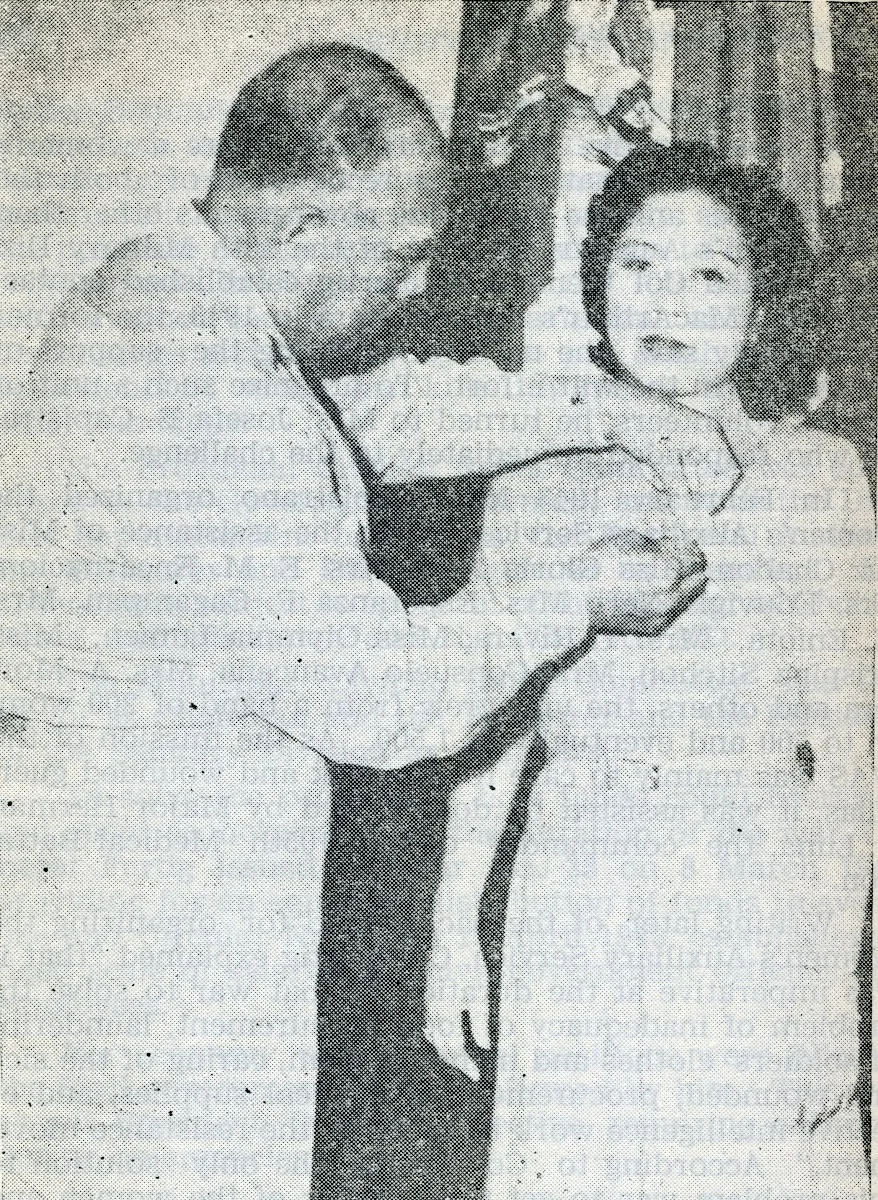
Ozamiz’s wartime history also carries the name of Josefa Borromeo Capistrano. The National Historical Commission’s marker for the Women’s Auxiliary Service records that its constitution and by-laws were adopted in Ozamis City on May 18, 1943, under her leadership. The organization assisted the Tenth Military District during the resistance against Japanese forces. The marker specifically honors the women of Misamis Occidental who volunteered and risked their lives during the conflict. Her story adds an important dimension to the city’s heritage because it shows that resistance history was not solely about soldiers on the battlefield. Women organized, supported resistance networks, and accepted considerable personal risk during one of the region’s most difficult periods.
