
SURIGAO CITY — A Halloween costume contest might seem like a purely local celebration, but its placement on the city’s tourism calendar tells a different story. The October 31, 2026 event at the Luneta Playhouse is being positioned not only as a community gathering but as a small, deliberate addition to Surigao City’s growing roster of visitor-facing activities.
Building a Calendar of Reasons to Visit
Surigao City has long relied on its natural assets and its role as a gateway to Siargao and Bucas Grande. Events like the Bonok-Bonok Festival and the Sakay-Sakay Abayan have given travelers seasonal anchors, but the city’s October calendar has traditionally been thinner. The Halloween contest fills a gap, offering visitors a light, accessible activity that requires no specialized gear and no long planning horizon. For a city seeking to extend visitor stays and diversify its appeal beyond the beach-and-island circuit, that kind of low-barrier event matters.
A Venue With Its Own Pull
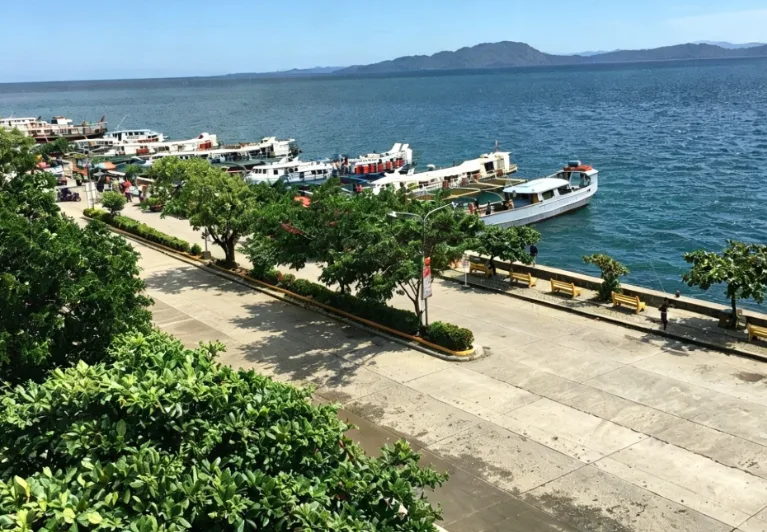
The Luneta Playhouse sits within the Luneta Park, one of Surigao City’s most visited public spaces. The park’s revitalization in recent years added improved pavement, landscaping, and sheds, turning it into a comfortable stop for both residents and tourists. By hosting the contest there, organizers link the event to an existing destination, giving visitors a reason to linger downtown and patronize nearby establishments. The choice of venue also keeps the event free to attend, which broadens its reach to travelers on tighter budgets.
Partnership as a Tourism Model
The contest is organized by the city government through the Local Youth Development Office and the City Tourism and Cultural Affairs Office, alongside JCI Surigao Wensie. That combination matters: the tourism office brings promotional reach, the youth office brings community networks, and the civic organization brings volunteer energy and event experience. For a local government with limited resources, this kind of partnership model is a practical way to stage visitor-facing programming without shouldering the full cost. It also signals that the city’s tourism strategy is not confined to infrastructure and marketing but extends to the everyday cultural life that makes a place worth visiting.