
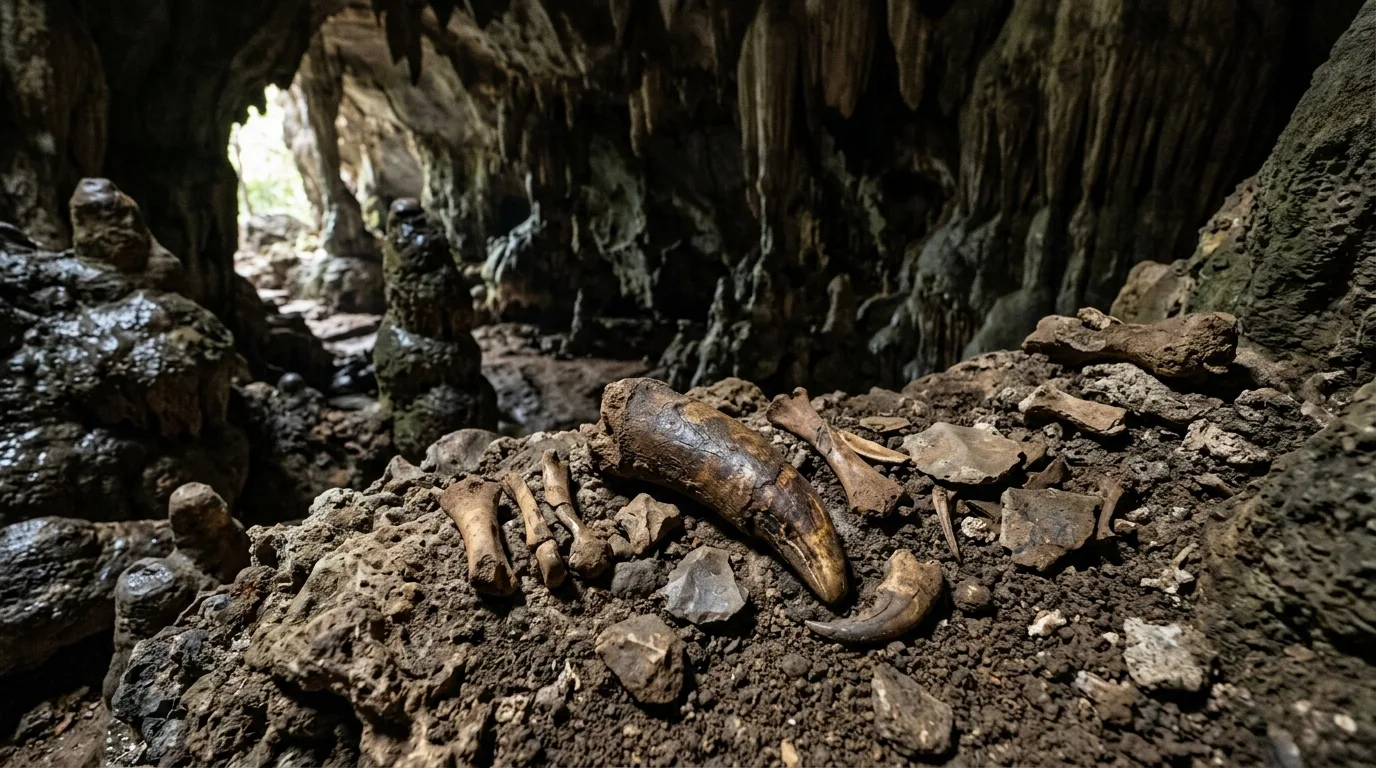
Palawan — Fascinating archaeological research conducted across Palawan's limestone caverns has uncovered 20,000-year-old tiger bone fragments that shed light on the island's prehistoric wildlife and early human culture. Led by archaeologists from UP Diliman and the National Museum of the Philippines, excavations in Pilandok Cave and Ille Cave revealed rare fossilized remains of the Asian tiger (Panthera tigris). Beyond proving that big cats once roamed the Philippine archipelago during the Pleistocene epoch, researchers suggest that early human inhabitants modified these rare bones to wear as protective charms or ancient anting-anting. Today, these extraordinary historical discoveries add rich cultural depth to Palawan, inviting travelers to explore ancient heritage sites while enjoying world-famous beach resorts, seafood restaurants, and coastal escapes.
Prehistoric Big Cat Fossils Uncovered Inside Ancient Palawan Cave
Archeological research led by Dr. Janine Ochoa from the University of the Philippines Diliman has revealed that wild tigers inhabited Palawan during the Pleistocene epoch thousands of years ago. Excavations in Pilandok Cave and Ille Cave unearthed rare tiger bone fragments alongside gnawed deer remains, proving these majestic felines once roamed the island's dense ancient forests. Radiocarbon dating places these fossilized metacarpals and jaw specimens between 20,000 and 22,000 years old. The presence of these apex predators provides undeniable evidence of past land connections linking Palawan to continental Southeast Asian landmasses during lower sea level periods. Today, these remarkable faunal remains offer researchers an intriguing glimpse into the prehistoric biodiversity of the Philippine archipelago.
Ancient Amulet Traditions Linking Tiger Remains To Spiritual Protections
Archaeologists studying the modified tiger bone artifacts suggest that early human inhabitants may have crafted these rare animal parts into protective amulets or anting-anting. Wearing tooth pendants or bone talismans allowed prehistoric hunters to channel the strength, stealth, and formidable spiritual power associated with giant big cats. Similar cultural practices involving animal talismans have been documented across indigenous communities, emphasizing deep ancestral connections between humans and wildlife. Intricate cut marks and smoothed edges found on the fossils point toward intentional modification rather than simple hunting refuse. This symbolic relationship transforms how historians understand early spiritual beliefs and craftsmanship among early island communities.
Exploring Scenic Heritage Caves And Luxury Beach Resorts In Palawan
Travel enthusiasts visiting Palawan can easily explore these rich historical landscapes by planning trips to El Nido’s Dewil Valley and Quezon’s coastal sanctuaries. After spending the morning guided through limestone caverns, vacationers can relax at beachfront boutique hotels overlooking pristine turquoise waters. Coastal cafes and open-air seafood restaurants along the shore serve freshly grilled catches paired with sweet tropical fruit juices. Nearby handicraft shops and famous souvenir stores offer hand-carved wooden trinkets and artisan woven goods inspired by regional folklore. Combining deep archeological exploration with sunny beach days creates an unforgettable getaway for curious global travelers.