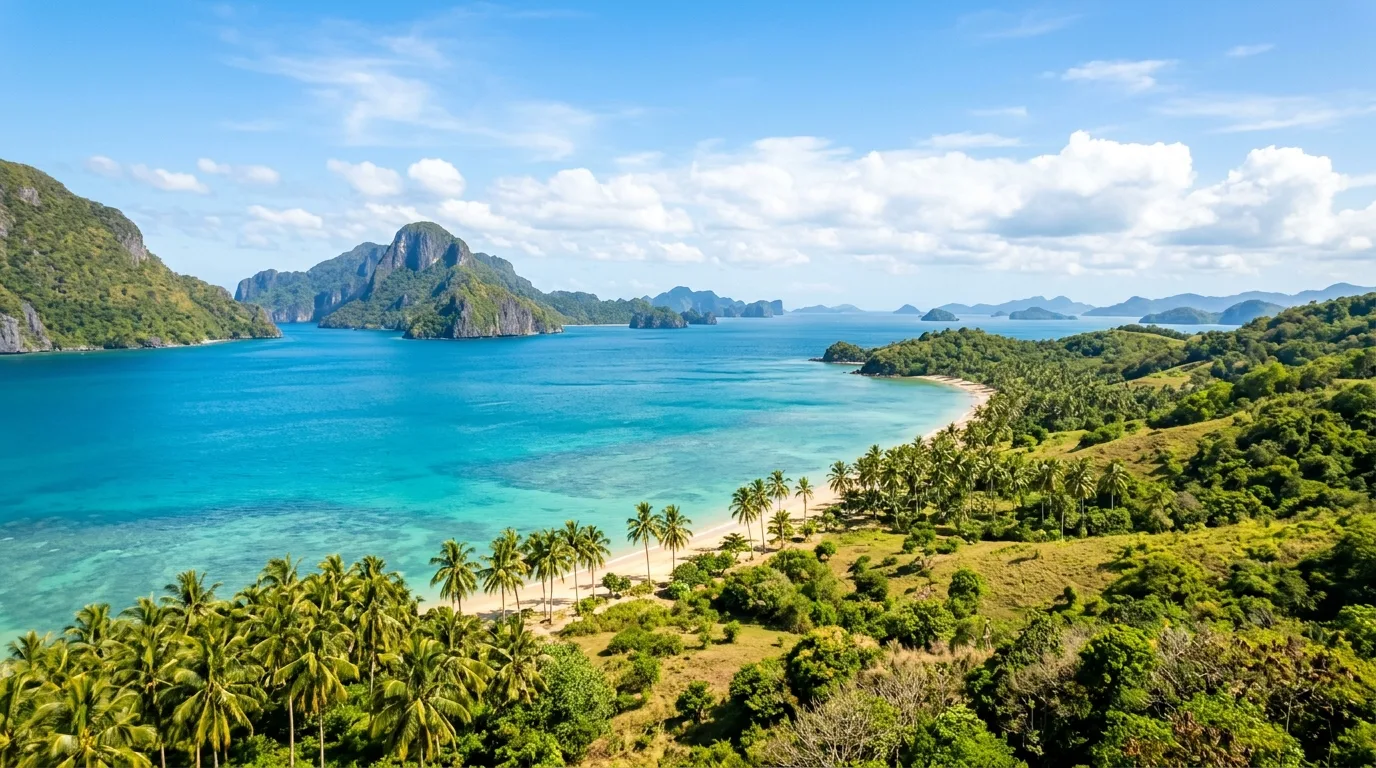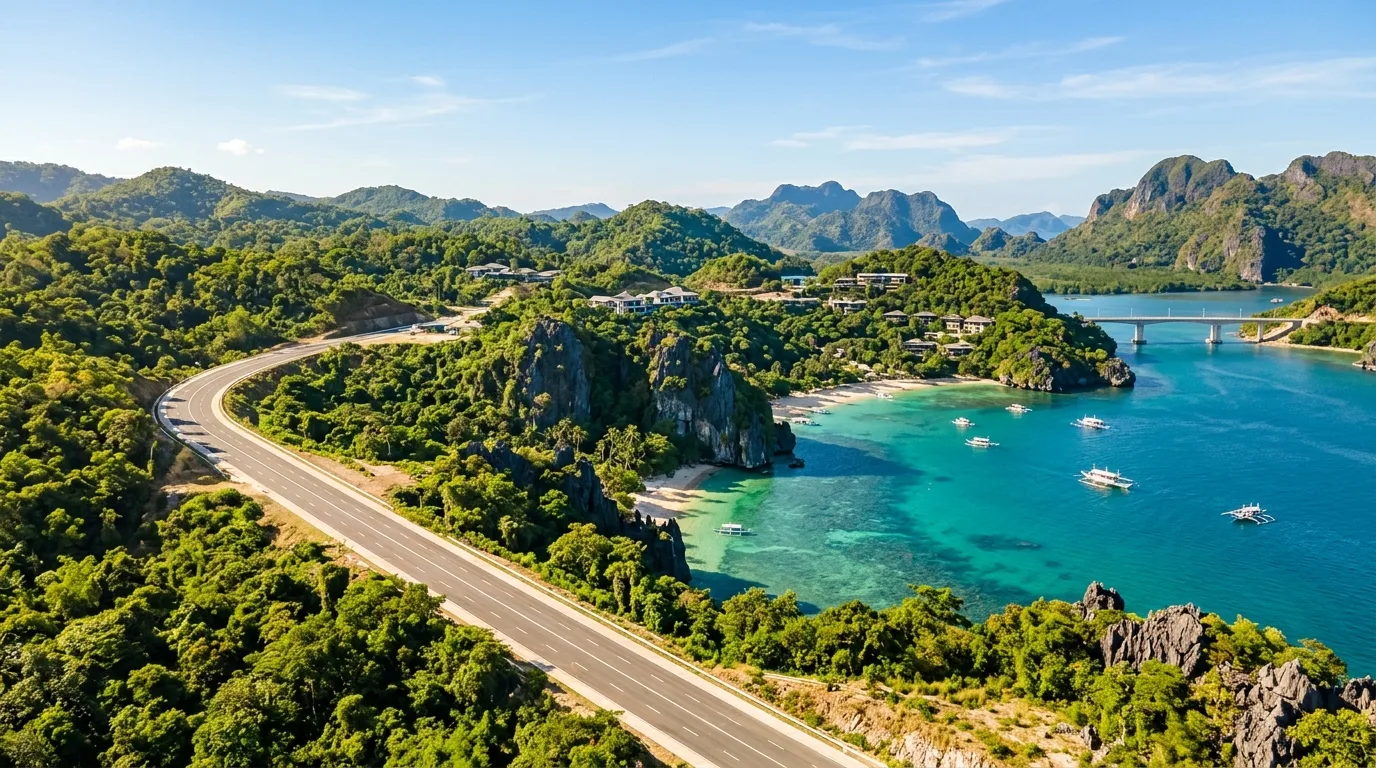
Palawan — Palawan is a breathtaking province globally celebrated for its pristine shores, but long before modern tourism put it in the international spotlight, ancient lands and hidden caves were already witnessing the unfolding of deep human history. From prehistoric archaeological sites to centuries-old Spanish fortresses, these historical locations tell the timeless story of the islands' rich heritage.
The Cradle of Civilization in Tabon Caves
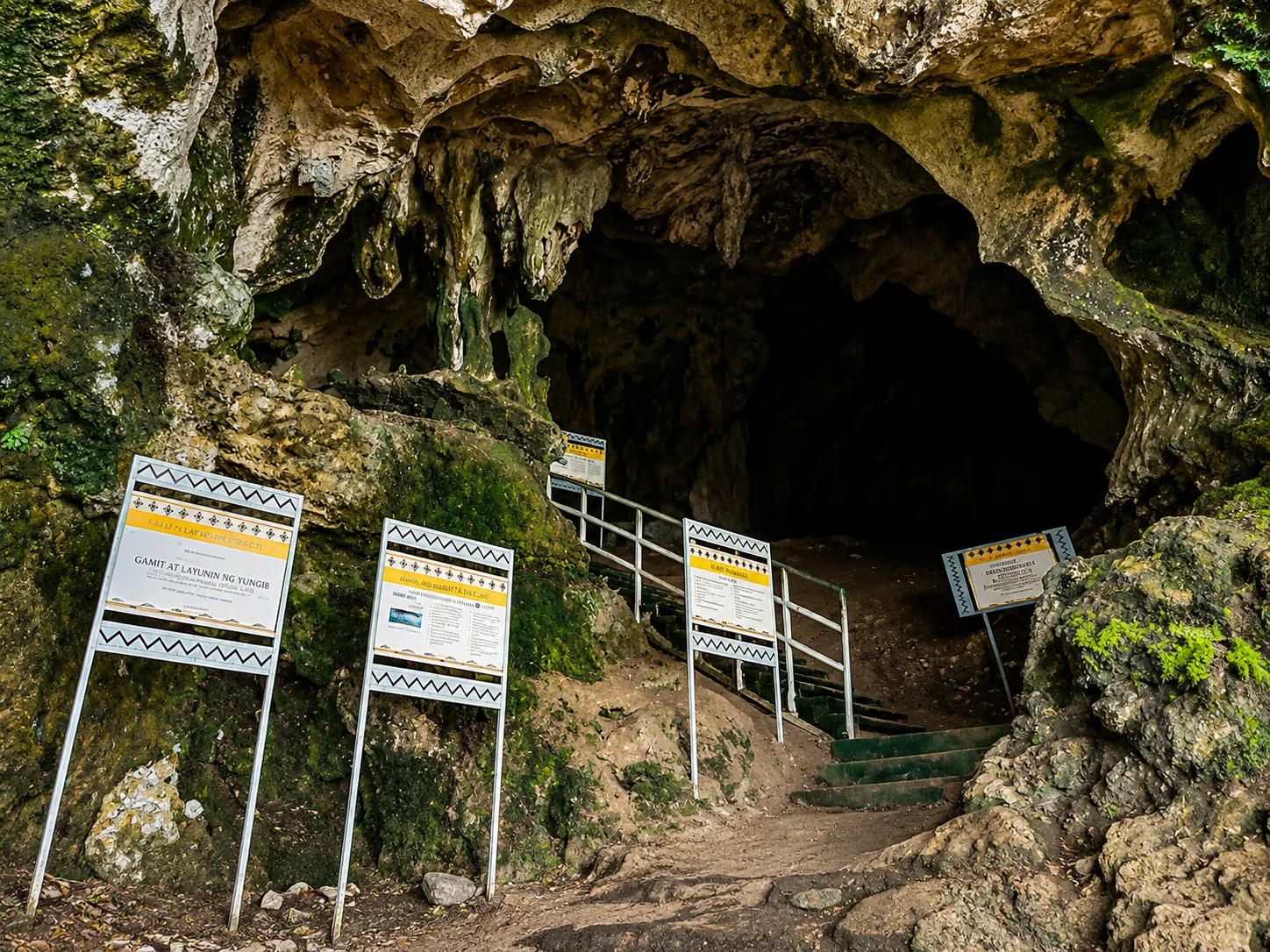
Tucked away in the municipality of Quezon, the famous Tabon Caves serve as one of the most important archaeological treasures in Southeast Asia. Archaeological discoveries, including ancient human fossil fragments and burial jars, reveal that early humans inhabited the area over fifty thousand years ago. Exploring these sacred limestone chambers offers a profound look at the ancient roots of the islands.
The Timeless Spanish Fortifications of Cuyo
Long before the main island gained modern fame, northern towns like Cuyo were already thriving centers of trade, culture, and colonial encounters. Built in the seventeenth century, the historic Cuyo Fort stands proudly with massive coral stone walls and watchtowers that protected early inhabitants. This magnificent structure remains a living testament to the resilient spirit and storied past of the region.
Preserving Indigenous Heritage and Natural Wonders
The rich historical tapestry of the province is equally preserved by its indigenous communities, such as the Tagbanwa and Palaw'an peoples, who have protected the land for generations. Their deep connection to the mountains, rivers, and coastal havens ensures that ancient traditions live on alongside world-famous tourist destinations like El Nido. It is a wonderfully inspiring celebration of heritage, resilience, and enduring island pride!