Reading the Signs Before a Crisis Escalates
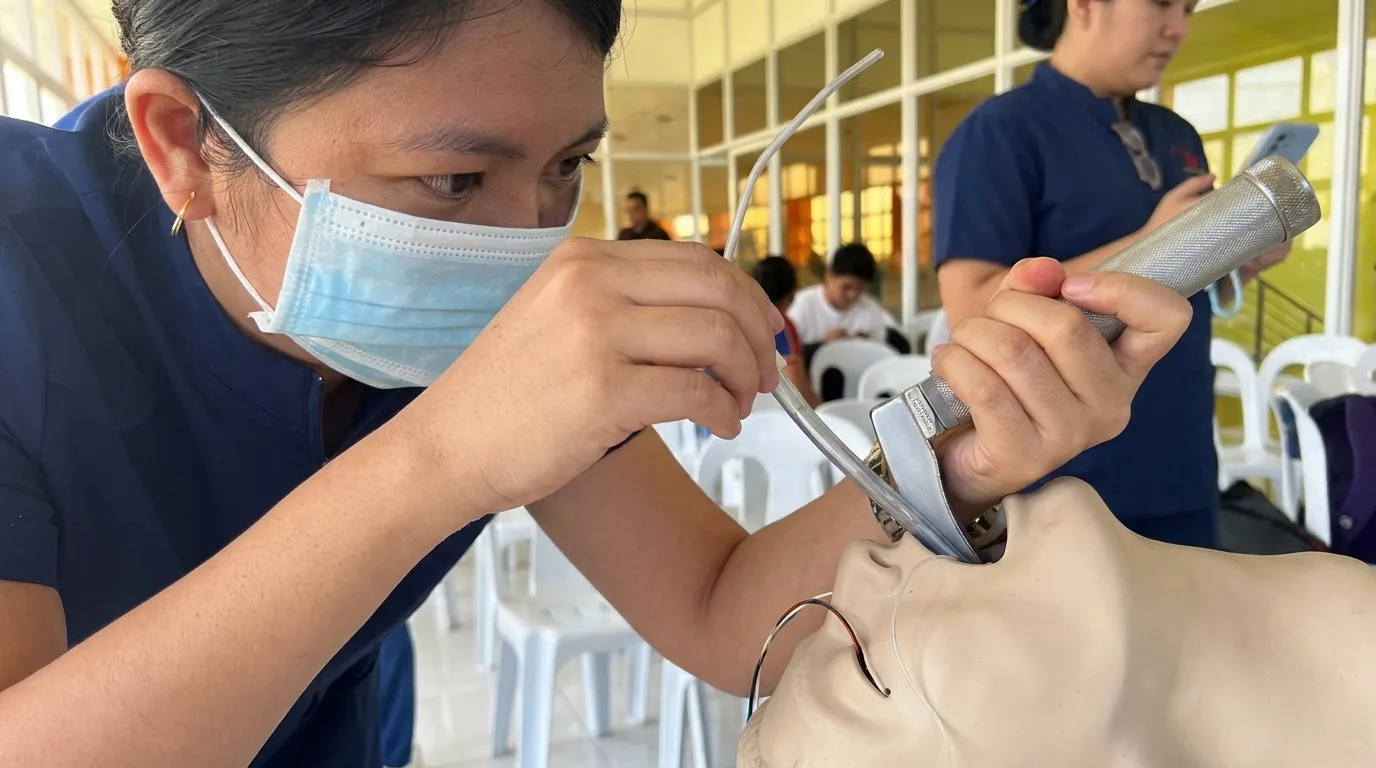
OZAMIZ CITY- ACLS training focuses on identifying and managing serious cardiovascular emergencies, including cardiac arrest, dangerous heart rhythms, and other conditions that can threaten a patient's life. Participants develop a deeper understanding of cardiac rhythm interpretation, emergency medications, airway management, and resuscitation procedures. These competencies help medical professionals recognize what is happening and determine the appropriate response within a structured clinical approach. The Philippine Heart Association includes Advanced Cardiac Life Support among its formal training programs for qualified healthcare and allied health professionals.
Reading the Signs Before a Crisis Escalates
ACLS training focuses on identifying and managing serious cardiovascular emergencies, including cardiac arrest, dangerous heart rhythms, and other conditions that can threaten a patient's life. Participants develop a deeper understanding of cardiac rhythm interpretation, emergency medications, airway management, and resuscitation procedures. These competencies help medical professionals recognize what is happening and determine the appropriate response within a structured clinical approach. The Philippine Heart Association includes Advanced Cardiac Life Support among its formal training programs for qualified healthcare and allied health professionals.
Bringing Advanced Knowledge Into Patient Care
For healthcare professionals in Ozamiz City, opportunities to strengthen advanced emergency-care competencies contribute to the continuing development of local medical services. The Philippine Heart Association's LearnCPR program provides a formal pathway for BLS and ACLS education, while the Professional Regulation Commission's CPD Accreditation System lists ACLS with BLS training among its 2026 accredited professional-development activities. These resources demonstrate the continuing place of resuscitation education in healthcare training. As medical personnel develop and refresh their skills, they gain additional preparation for the demanding decisions that cardiac emergencies can require.