Keeping Food Handling Areas Clean
BACOLOD - Clean selling areas help reduce the spread of harmful microorganisms that may contaminate food. Market vendors handling meat, fish, vegetables, and ready-to-eat products need clean work surfaces, properly maintained equipment, and safe storage practices. Regular cleaning of tables, cutting boards, containers, and display areas can prevent dirt and food residues from accumulating. Separating raw products from cooked or ready-to-eat food is also important because it reduces the possibility of cross-contamination. These everyday practices help maintain food quality and protect customers from foodborne illnesses.
Proper Waste Disposal and Pest Control
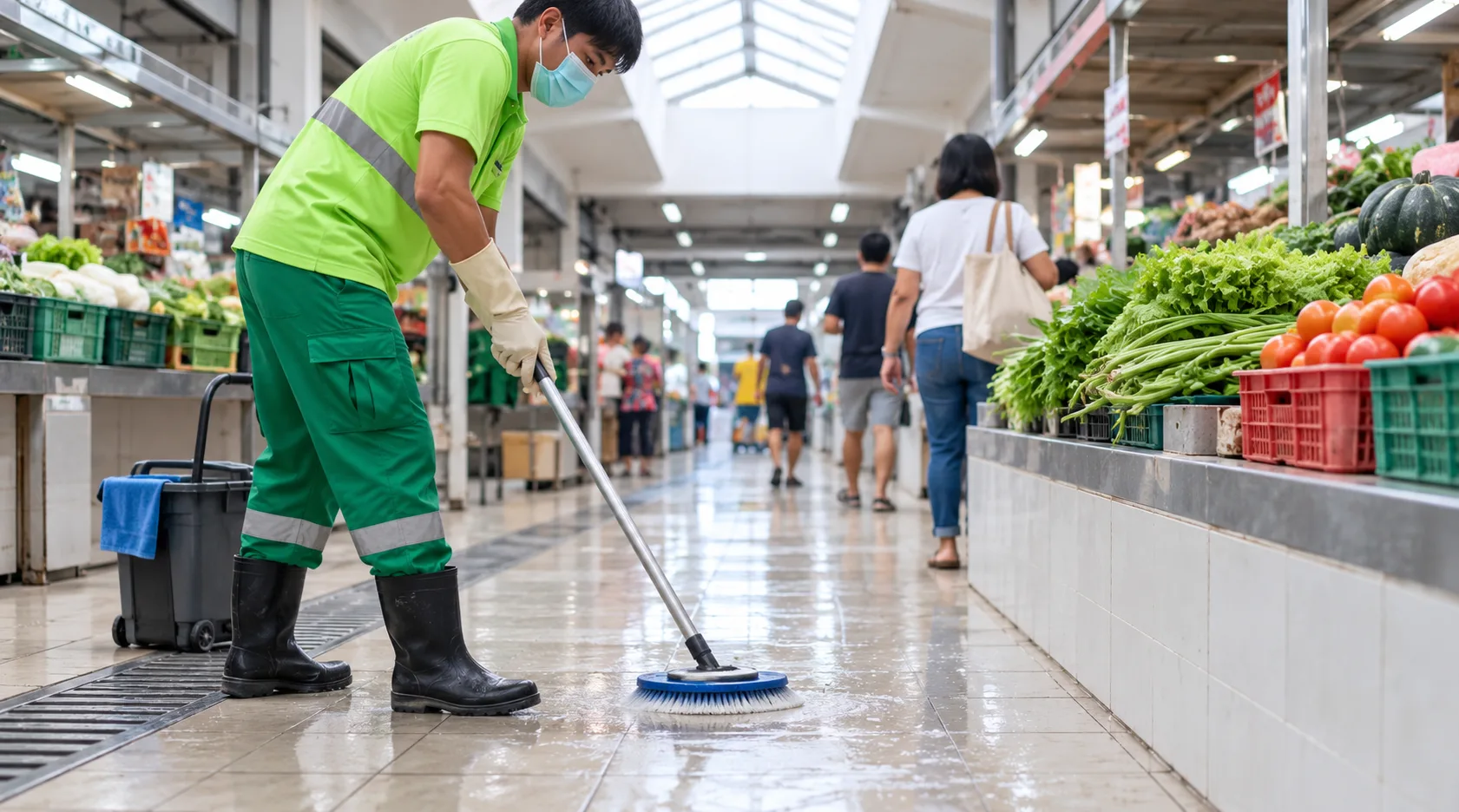
Garbage left in walkways, drainage areas, or near food stalls can attract flies, rats, and other pests that may carry disease-causing organisms. Public markets need accessible waste bins, regular garbage collection, clean drainage systems, and designated areas for disposing of food scraps. Vendors and shoppers also have a shared responsibility to keep their surroundings free from litter. Proper waste management helps prevent unpleasant odors, reduce pest activity, and maintain cleaner spaces for people who visit the market daily.
Clean Water and Shared Responsibility
Access to safe water supports handwashing, cleaning, and other sanitation activities throughout the market. Functional handwashing facilities, clean toilets, and regular inspection of food stalls help reinforce good hygiene practices among vendors and customers. Market administrators can support these efforts through routine sanitation checks, maintenance, and food safety education. When vendors follow proper handling procedures and shoppers practice responsible habits, public markets become safer places to purchase everyday necessities. Maintaining cleanliness is a shared effort that contributes to healthier households and a more welcoming community.