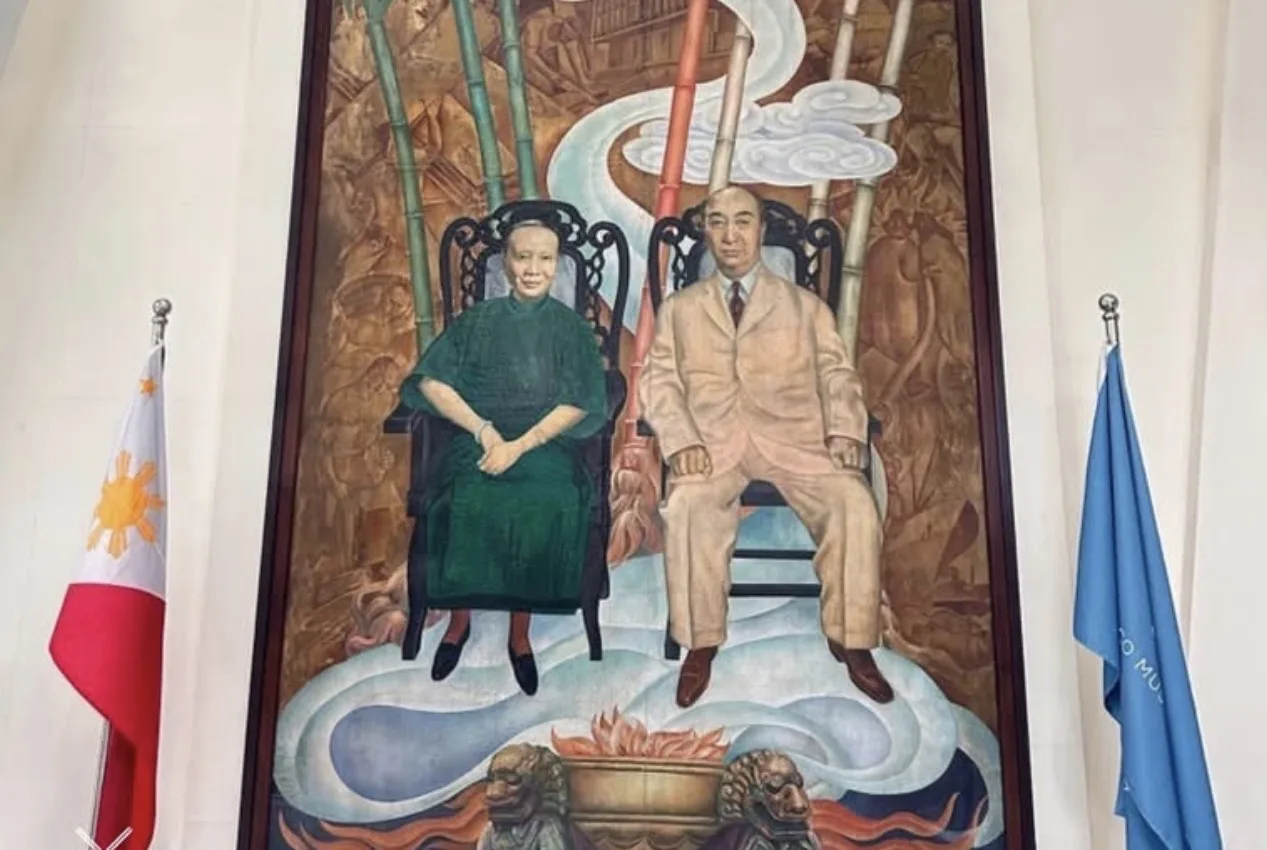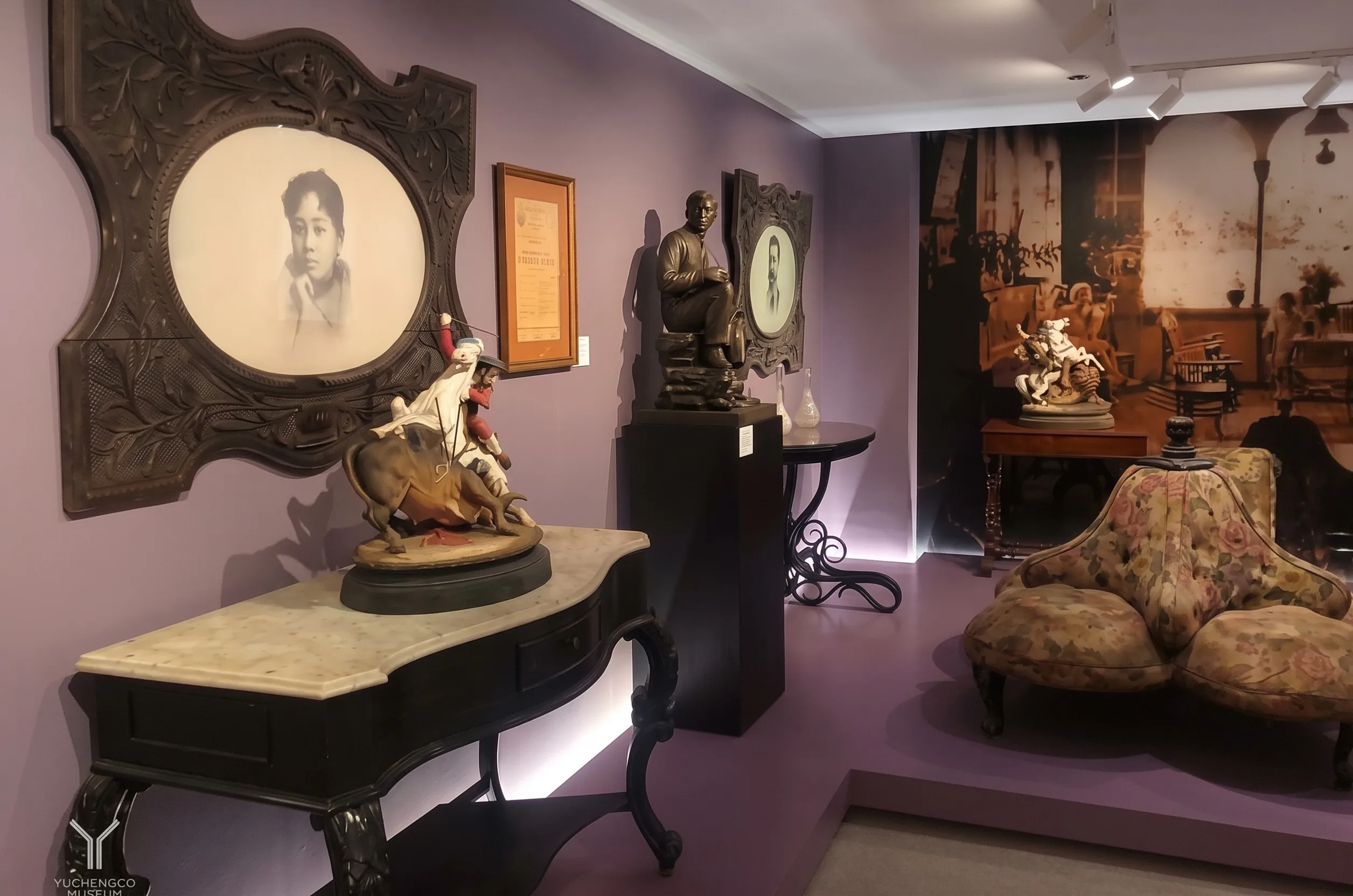
MAKATI CITY — A quiet gallery on the fourth floor of the Yuchengco Museum invites visitors to look beyond the bronze monuments and textbook narratives that often define José Rizal. “Buhay Rizal: Portrait of a Nation,” part of the museum’s permanent collection, assembles letters, archival photographs, rare books, and personal artifacts that reveal the man behind the national hero. The exhibition traces Rizal’s journey from a brilliant student in Calamba, Laguna, to a physician, novelist, and reformist whose writings ignited a nation’s conscience. It is a thoughtful and deeply humanizing portrait, one that reminds viewers that heroism is not an abstraction but a series of deliberate choices made under immense pressure.
Artifacts That Carry the Weight of History
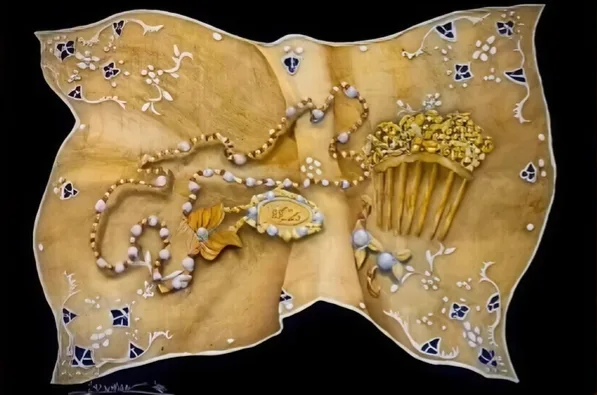
The gallery’s holdings are modest in scale but rich in resonance. Among the highlights are letters written by the Rizal family, archival photographs that capture intimate moments, and Rizaliana books published in various languages. A particularly evocative object is the tampipi, a traditional woven container that once stored copies of Noli Me Tangere, Rizal’s first novel and a work that exposed the injustices of Spanish colonial rule. Also on display is personal memorabilia belonging to Leonor Rivera, Rizal’s childhood sweetheart and the inspiration for a central character in his novels. These objects do more than illustrate a timeline; they carry the emotional weight of a life lived in exile, under surveillance, and ultimately in sacrifice.
A Museum Devoted to National Identity
The Rizal Collection reflects the Yuchengco Museum’s broader mission to keep national identity part of a continuing discourse among Filipinos. The gallery aims to bring Rizal’s values and thoughts on national character to a larger audience, ensuring that his ideas remain relevant to contemporary conversations about citizenship, reform, and responsibility. For visitors, the experience is not merely educational but reflective, an invitation to consider how Rizal’s questions about freedom, dignity, and justice continue to shape the Philippines today.
A Rich Cultural Stop in Makati’s Art District
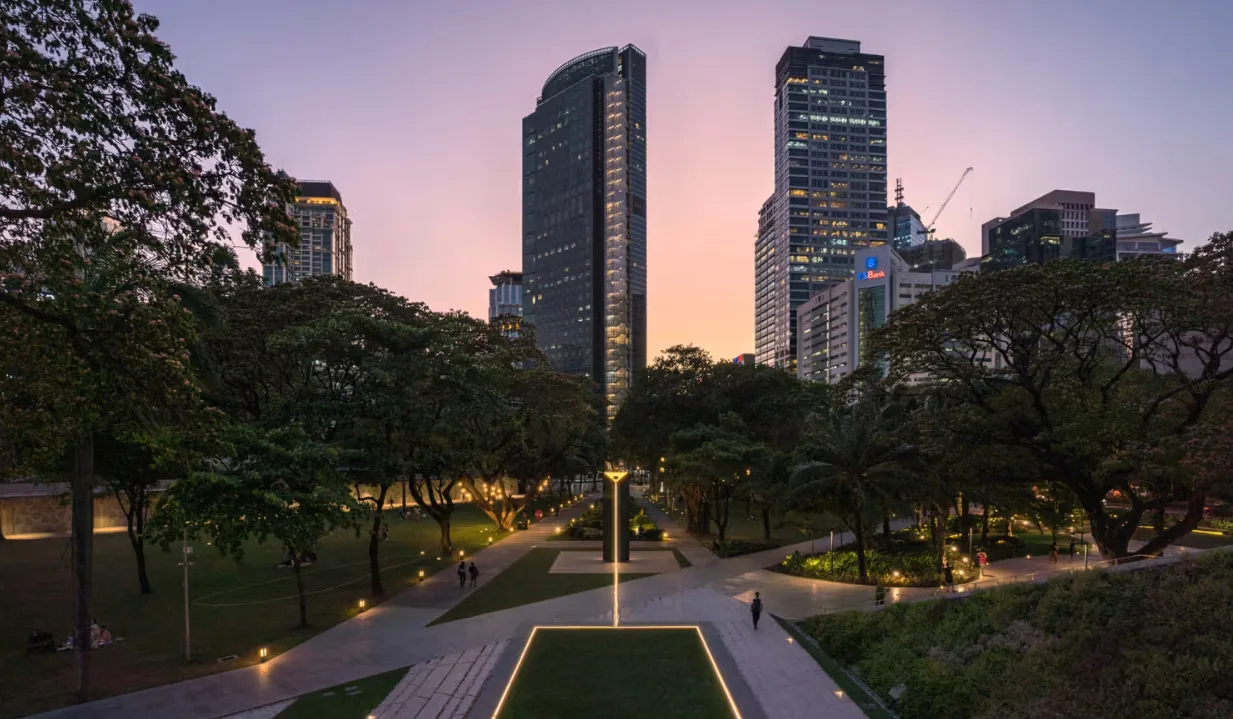
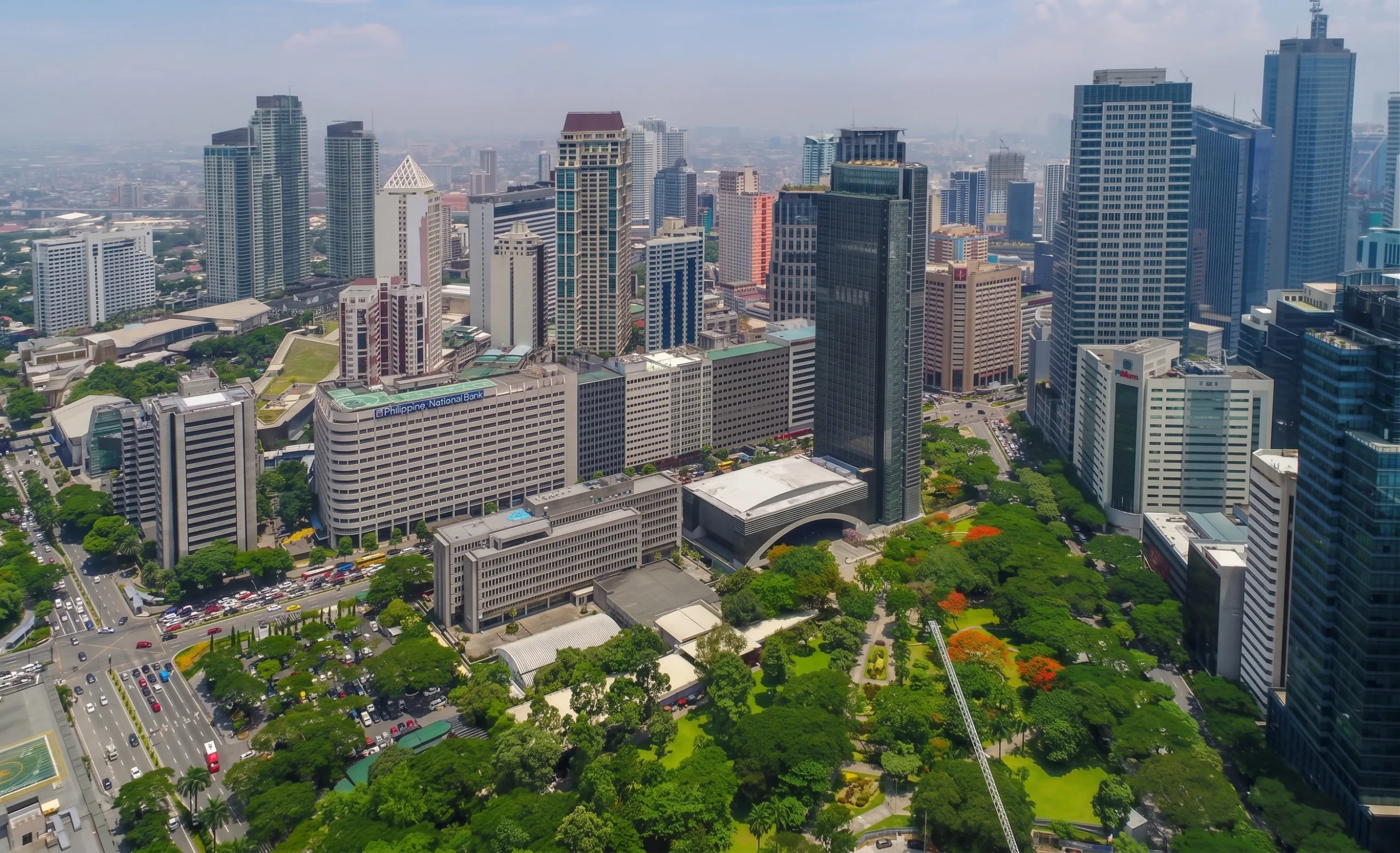
The exhibition is one of several compelling reasons to spend an afternoon at the Yuchengco Museum. On the same floor, “Lyrical Life: Amorsolo” presents a collection of paintings by National Artist Fernando Amorsolo, celebrated for his masterful use of backlighting and his romanticized depictions of Philippine rural life. The museum, located at RCBC Plaza in Makati City, is open daily from 10:00 AM to 6:00 PM, except Sundays and holidays. For residents and visitors seeking a deeper connection to the country’s cultural and artistic heritage, this quiet corner of Makati offers a rewarding detour from the city’s usual rhythms.