


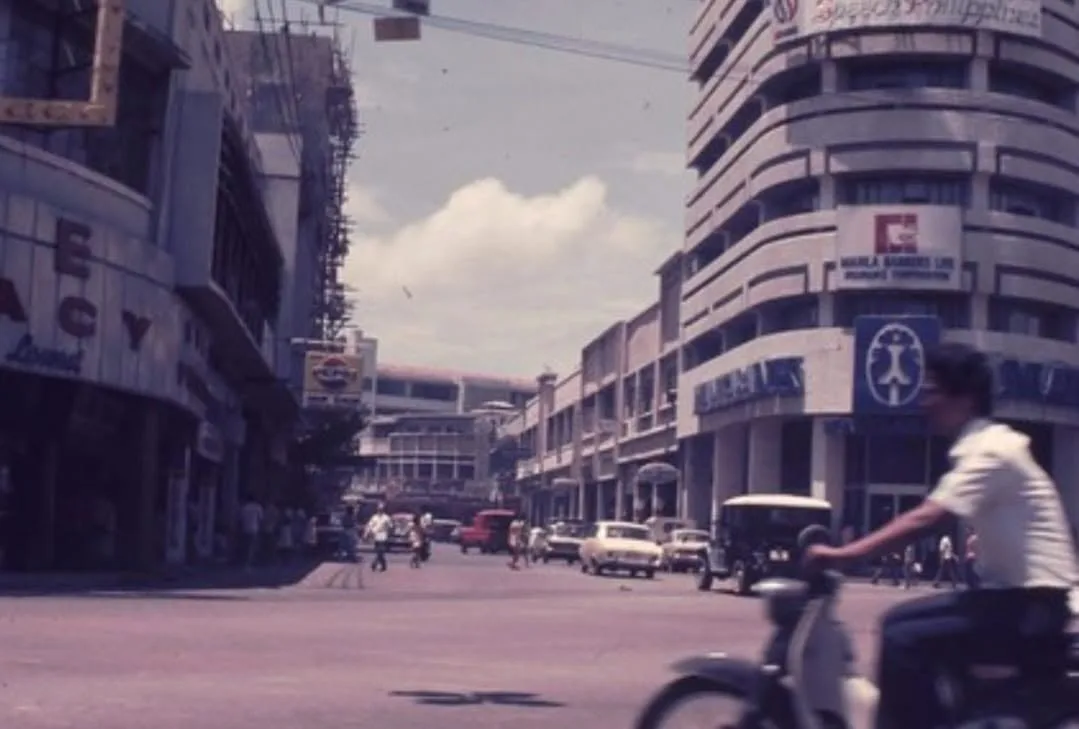
Cebu — Stepping into the heart of downtown Cebu feels like walking through pages of a living history book where centuries-old memories collide with the chaotic energy of modern urban life. Widely celebrated as the oldest and shortest national road in the Philippines, Colon Street was originally laid out in 1565 by Spanish conquistador Miguel López de Legazpi and named after Christopher Columbus. For generations, this legendary thoroughfare served as the absolute epicenter of commerce, high fashion, and entertainment in the Visayas. Today, looking past the modern storefronts and thick tangles of overhead wires, travelers and lifelong Cebuanos are often left wondering how much of the original historic landscape remains intact beneath the bustling rush of daily commuters.
From Elite Commercial Hub to the "Divisoria of the South"
During the mid-20th century, Colon was the undisputed high-society address where families dressed in their finest attire to visit upscale department stores, premier commercial offices, and iconic movie houses like the Vision Theater and Oriente Cinema. As shiny new shopping malls sprouted across uptown districts in the late '90s, the physical character of downtown shifted dramatically. Today, locals affectionately—and pragmatically—refer to the strip as the "Divisoria of the South" due to its dense maze of affordable boutique shops, sidewalk vendors, and budget-friendly street stalls. Despite weathering decades of urban decay, traffic congestion, and commercial migration, the street retains an unmistakable gritty charm that continues to define authentic everyday Cebuano life.
Relics of the Past Amidst Concrete and Modernization
Wandering down the historic corridor reveals hidden architectural gems standing shoulder-to-shoulder with utilitarian modern constructions. Landmarks like the gray Colon Obelisk stand as quiet testaments to the avenue's prestigious origins, while nearby heritage touchpoints—including the Yap-Sandiego Ancestral House, the Parian district, and the Basilica Minore del Santo Niño—keep the deep cultural roots of old Cebu alive. Although many of the classic Art Deco movie houses have long since closed their doors or been repurposed, their faded facades still whisper stories of a glamorous era when live orchestras and Spanish zarzuelas entertained elite crowds under the tropical sun.
