


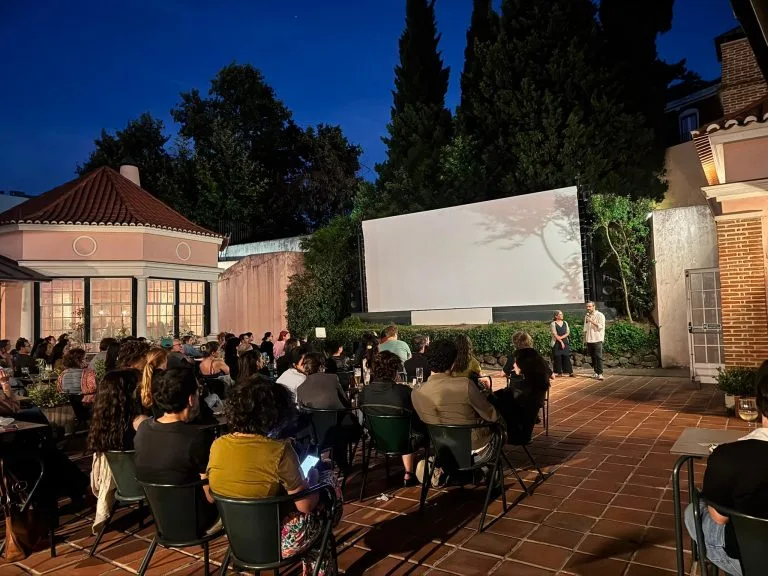
LISBON — The Philippine Embassy in Lisbon joined Portuguese film institutions and cinephiles on July 27, 2026 for an advance presentation of the Lino Brocka Retrospective. The event previewed the October showcase by screening the digitally restored classic Bona, introducing Portuguese audiences to a towering figure of Philippine cinema.
A Landmark Preview of a Cinematic Giant
The advance launch at the Cinemateca Portuguesa offered a first glimpse of the most comprehensive Brocka retrospective mounted outside the Philippines in decades. Bona (1980), starring National Artist Nora Aunor, served as the evening’s centerpiece. Its raw depiction of obsession and urban poverty immediately resonated with the Lisbon crowd.
This curated program, set to run from October 15 to 25, is a collaboration between the Embassy, DocLisboa, and the Cinemateca. Organizers described the project as a major step in ensuring Brocka’s work continues to circulate globally. The retrospective will feature restored classics and rarely seen films, several screening overseas for the first time.
Bona: A Timeless Tale of Devotion and Exploitation
Bona tells the story of a young woman whose fanatical devotion to a minor actor leads her into a spiral of exploitation. Brocka used the intimate drama to expose harsh social realities, blending melodrama with unflinching social criticism. Nora Aunor’s powerful performance anchors a film that remains as relevant today as it was four decades ago.
Doclisboa Director Hélder Beja noted that the film’s authentic portrayal of street life mirrored his own observations from traveling in the Philippines. He praised Brocka’s ability to capture the vitality of ordinary people. The restored version, with new English and Portuguese subtitles, made the film accessible to a new generation of viewers.
Global ‘Cinephile Excavation’ Brought Brocka’s Lost Works to Light
Beja described the retrospective as “almost an exercise in cinephile excavation.” An extensive international effort was required to locate surviving film prints, recover forgotten works, and prepare accurate subtitles. The collaboration involved archivists, restorers, and the acclaimed Filipino filmmaker Khavn de la Cruz, a recognized authority on Brocka’s cinema.
Many of the films in the October program were long considered difficult to access. The restoration and subtitling process will allow audiences in Portugal and beyond to experience Brocka’s films as they were meant to be seen. The project highlights the importance of film preservation as a form of cultural diplomacy.
Brocka’s Enduring Legacy in World Cinema
Beja declared Brocka “a major figure not only in Asian cinema but in world cinema.” Brocka’s films combined political urgency, class struggle, and religious themes into a unique cinematic language. His work during the Marcos dictatorship also cemented his role as a fearless artist who used film for resistance and social commentary.
The retrospective includes masterpieces such as Manila in the Claws of Light, Insiang, and Macho Dancer. Together, they form a powerful body of work that speaks to universal themes of justice, identity, and survival. For Portuguese audiences, the program offers a rare window into the soul of Philippine society.
Strengthening Philippine Cultural Diplomacy
The Embassy welcomed the initiative as a milestone in promoting Philippine arts on the global stage. By supporting the restoration, subtitling, and international circulation of Brocka’s films, the event strengthens cultural ties between the Philippines and Portugal. The Embassy encourages the public to attend the full retrospective in October and discover one of cinema’s boldest voices.
