


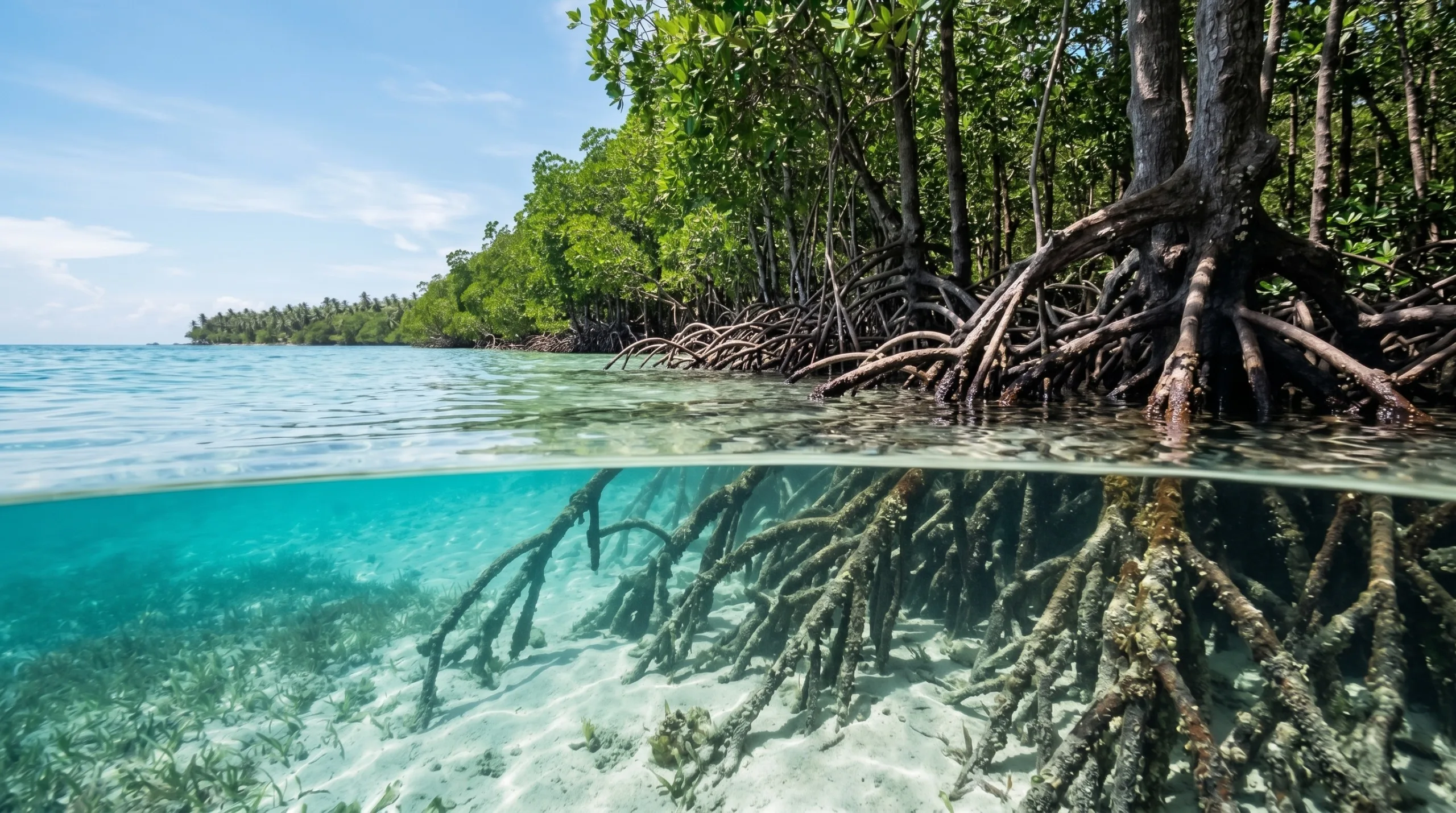
A Rare Mangrove Growing in Loay
BOHOL - The monitoring activity documented Gapas-gapas in two areas of Loay, providing a closer look at the species within its natural environment. In Barangay Alegria, one mature or mother tree and seven saplings were recorded. In Barangay Palo, the team found another mother tree surrounded by more than 60 saplings and wildlings. The presence of younger plants is particularly significant because natural regeneration can provide valuable information about whether a species is continuing to reproduce within its habitat. These observations add to the growing understanding of Bohol’s coastal plant diversity.
Why Monitoring Rare Species Matters
Finding a rare species is only the beginning of conservation work. Regular monitoring can help document where Gapas-gapas occurs, track the survival and development of young plants, and identify environmental conditions that support its regeneration. Over time, repeated observations can provide a clearer picture of the species’ distribution across Bohol. This information can help guide decisions about habitat protection and other conservation measures. Protecting mangrove areas also has broader ecological value because mangrove ecosystems provide habitat for wildlife, help stabilize shorelines, and form part of interconnected coastal environments.
Protecting the Smallest Clues to a Bigger Ecosystem
The discovery of dozens of young Gapas-gapas plants in Loay offers a reminder that Bohol’s biodiversity is not limited to its most recognizable wildlife or landscapes. Small coastal habitats can contain species that are easy to overlook but important to the ecological story of the island. Continued documentation and responsible protection can help ensure that these plants remain part of Bohol’s natural heritage. As conservation efforts continue across the Bohol Island UNESCO Global Geopark, monitoring rare mangroves such as Gapas-gapas can contribute to a deeper understanding of the province’s ecosystems while supporting long-term environmental sustainability.
