


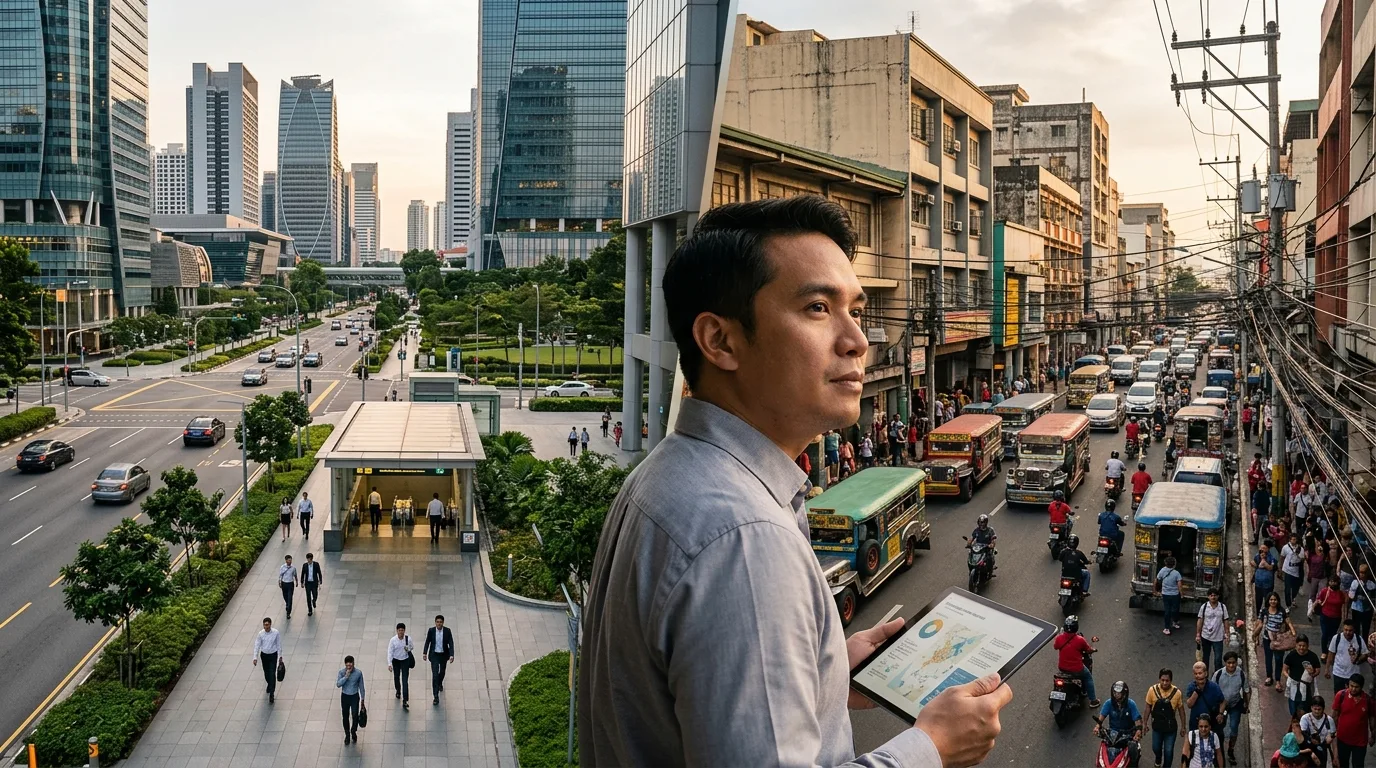
A recent discussion originating from Rappler’s “In This Economy” series draws a stark comparison between the dynamic economic and urban development of Singapore and the perceived slower pace in Metro Manila. This observation prompts a critical look at the factors driving these divergent paths and, more importantly, the profound implications for Filipinos both at home and abroad. The analysis underscores a prevailing sentiment that while Singapore continues to innovate and expand, the Philippine capital grapples with persistent challenges that hinder its full potential.
Governance, Infrastructure, and the Planning Gap
The perceived gap in progress often points to fundamental differences in governance, long-term strategic planning, and infrastructure development. Singapore has meticulously cultivated an environment conducive to global business, marked by efficient public services, world-class infrastructure, and a robust regulatory framework. This proactive approach has translated into sustained economic growth and an enviable quality of life for its residents. In contrast, Metro Manila, despite its economic vibrancy, frequently faces issues such as traffic congestion, inadequate public transport, and urban planning inconsistencies that impact productivity and daily living for millions of Filipinos.
Brain Drain and the OFW Push Factor
For the Filipino population, this comparison is far from academic; it directly influences economic opportunities and life choices. The robust economy of Singapore, for instance, attracts a significant number of Filipino professionals and skilled workers seeking better wages, career advancement, and a higher standard of living as Overseas Filipino Workers (OFWs). The perceived lack of similar high-quality, high-paying opportunities within Metro Manila often serves as a significant "push factor" for outward migration. This ongoing brain drain can deprive the Philippines of critical human capital needed for its own development, creating a cyclical challenge.
Policy Reforms and Strategic Career Mapping
Filipinos, whether residing in the Philippines or considering opportunities elsewhere, must understand these regional economic dynamics. The disparity highlights the critical need for sustained, strategic investments in infrastructure, urban planning, and governance reforms within the Philippines to foster a more competitive and inclusive economy. For those planning their careers, understanding the drivers of economic success in neighboring countries like Singapore can inform decisions about skills development and potential overseas employment. Ultimately, the discussion serves as a crucial reminder for policymakers and citizens alike about the urgency of addressing systemic issues to ensure that Metro Manila, and indeed the entire Philippines, can accelerate its own path to sustainable and equitable development.
