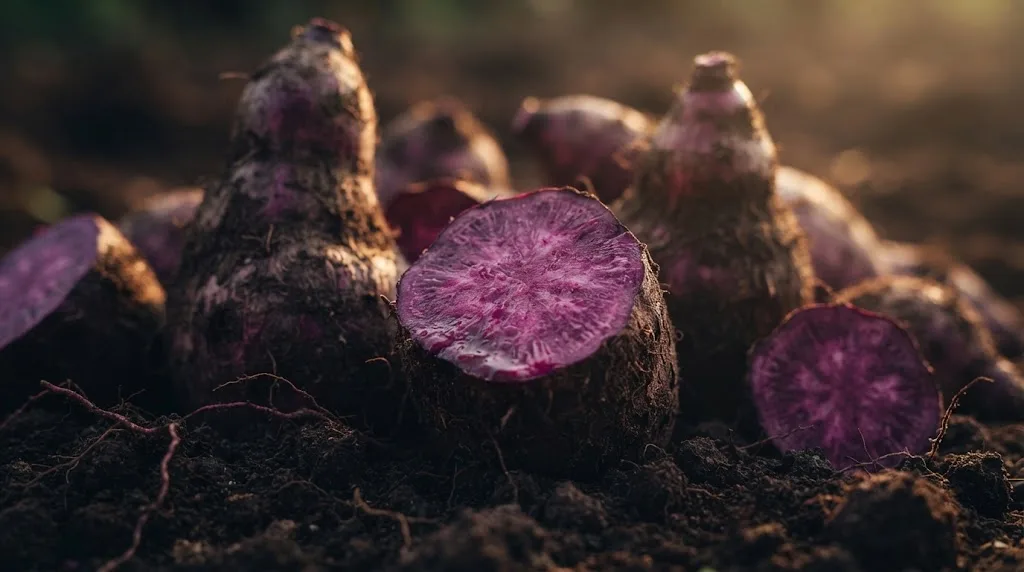
This Isn’t Just Any Purple Ube
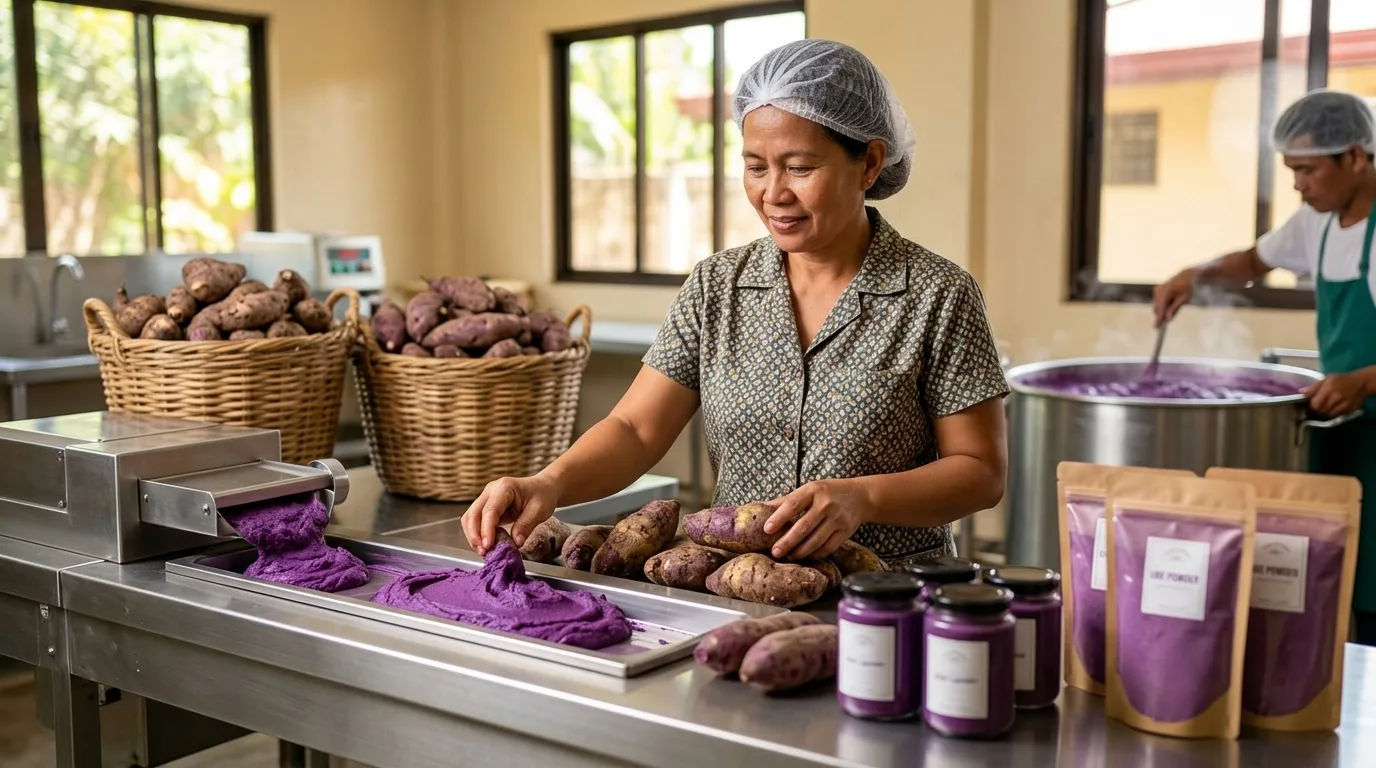
BOHOL - A recent discussion in the Philippine ube community on August 18 specifically centered on Bohol Kinampay, with commenters describing its aroma, natural color, and suitability for desserts. Those comments are community observations rather than laboratory findings or an official food certification, so they should be read as recommendations from people discussing the ingredient rather than formal claims. Still, they point travelers toward something more interesting than ordering a generic ube dessert without knowing where the ingredient comes from. When in Bohol, asking whether a dessert actually uses Kinampay can make the experience more connected to the island.
Try It Where Boholano Food Meets the Restaurant Table
A food recommendation thread posted on August 11, 2026, specifically suggested Gerarda’s Family Restaurant in Panglao for visitors wanting to try Ube Kinampay. That makes the ingredient particularly useful for travelers who want to combine a recognizable restaurant stop with something tied to Bohol’s agricultural identity. Instead of making the search solely about finding the sweetest ube dessert, consider paying attention to the flavor and aroma of the Kinampay itself. The restaurant recommendation is community-generated, so availability and individual dishes can change, but it provides a recent lead for food hunters.
Make Ube the Ingredient, Not Just the Color
The fun part of seeking out Kinampay is realizing how many directions the ingredient can take. It can appear in familiar Filipino sweets, pastries, ice cream, or other desserts, but the point is to experience the ingredient rather than simply chase a purple-colored dish. For travelers who have already written Peanut Kisses and calamay onto their Bohol food list, Kinampay offers a different culinary trail. It also gives you a reason to ask where an ingredient came from, which can turn an ordinary dessert stop into a small food discovery.