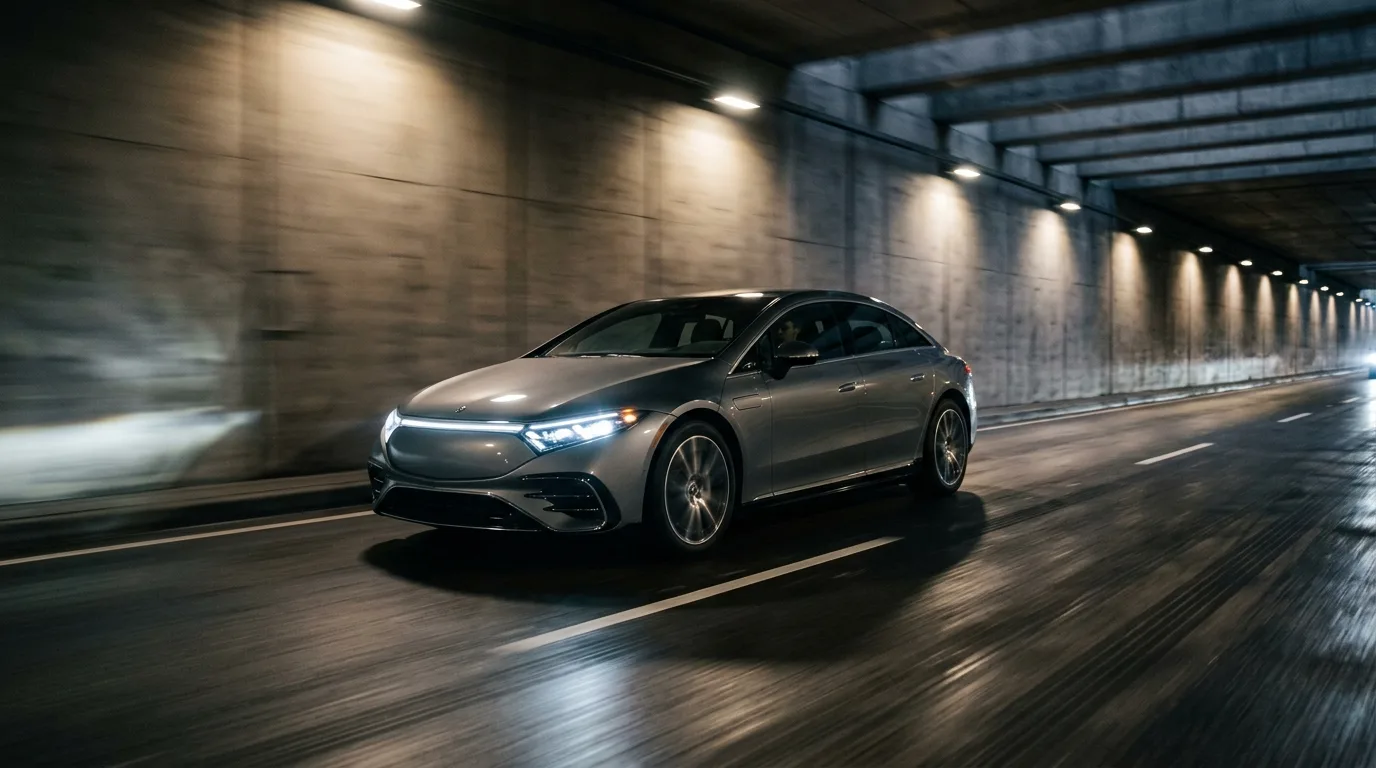
DAVAO — The City Government of Davao has approved a landmark ordinance aimed at attracting investments in electric vehicles and related infrastructure. The measure positions the city as a hub for sustainable transport, opening new opportunities for property developers and businesses in the EV ecosystem.
A Comprehensive Framework for EV Growth
The Davao City Electric Vehicle Ordinance of 2026, authored by Councilor Temujin "Tek" Ocampo, is now with the executive department for drafting of internal rules and regulations. Ocampo, who chairs the City Council Committee on the Environment, said the goal is to encourage investors to come to Davao and invest in manufacturing, selling, charging stations, and battery recycling.
The ordinance complements Republic Act 11697, the Electric Vehicle Industry Act. Under the national law, EV owners can avail of a 30 percent reduction in Land Transportation Office renewal fees. The local measure expands incentives to cover players not included in EVIDA, such as dealers, charging station operators, and battery recyclers.
Incentives That Attract Investors
The ordinance offers free parking for electric vehicles for the first three hours on city streets with paid parking slots. Public transportation companies using EVs, including taxis, buses, and transport network vehicle services, will also receive incentives. Ocampo said future amendments may accommodate electric motorcycles.
Investors in the EV sector can enjoy tax-free status and tax reductions for a period of five years. These fiscal incentives are designed to lower the cost of entry and encourage long-term commitment. Ocampo noted that even before the ordinance was passed, many investors had already expressed interest in charging stations and dealerships.
Support from National Agencies
The Department of Energy contributed inputs to the ordinance, particularly on incentives for electric vehicles. Dr. Erick George D. Uy, OIC-Chief of the Energy Utilization Management Division, said the measure entices manufacturers and distributors to shift toward EVs.
As of December 2025, Land Transportation Office data show 1,688 registered electric and hybrid vehicles in the region. While the figure is growing, EVs still account for a small percentage of total registered vehicles. The ordinance aims to accelerate adoption by making ownership and operation more attractive.
Implications for Real Estate and Urban Development
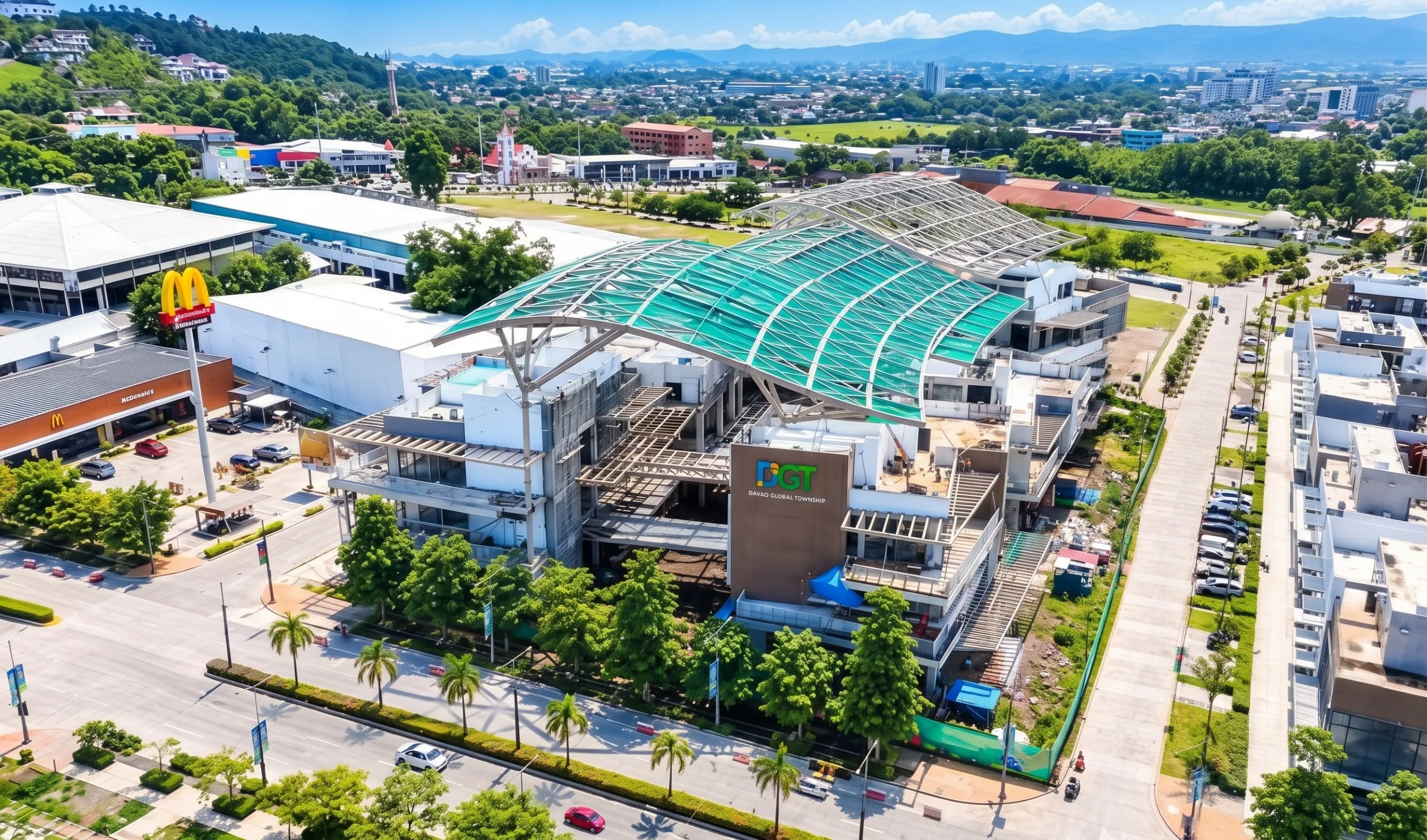
The push for EV infrastructure has direct implications for Davao's property market. Charging stations require strategic locations, often in commercial centers and residential developments. As EV adoption rises, demand for buildings equipped with charging facilities will grow, influencing future construction standards and property values.
The ordinance is among the priority programs of Mayor Sebastian Z. Duterte. By positioning Davao as an EV-friendly city, the local government signals openness to sustainable technologies. This can attract eco-conscious investors and developers looking to build green communities that align with global trends.
A Growing Market Ready for Expansion
Ocampo expressed confidence that more investments will follow once the ordinance takes full effect. The comprehensive approach, covering manufacturing, retail, charging, and recycling, creates a complete ecosystem that supports long-term growth. This holistic strategy strengthens Davao's competitiveness as a destination for sustainable infrastructure.
As the city finalizes the implementing rules, stakeholders are watching closely. The ordinance sets a precedent for other local governments aiming to integrate EV policies into their development agendas. For Davao, the measure represents a step toward a cleaner, more modern urban landscape.