BOHOL — The provincial government of Bohol and the Department of Agriculture-Central Visayas (DA-7) are strengthening efforts to expand ubi kinampay production through farmer training, research, and increased production of quality planting materials.
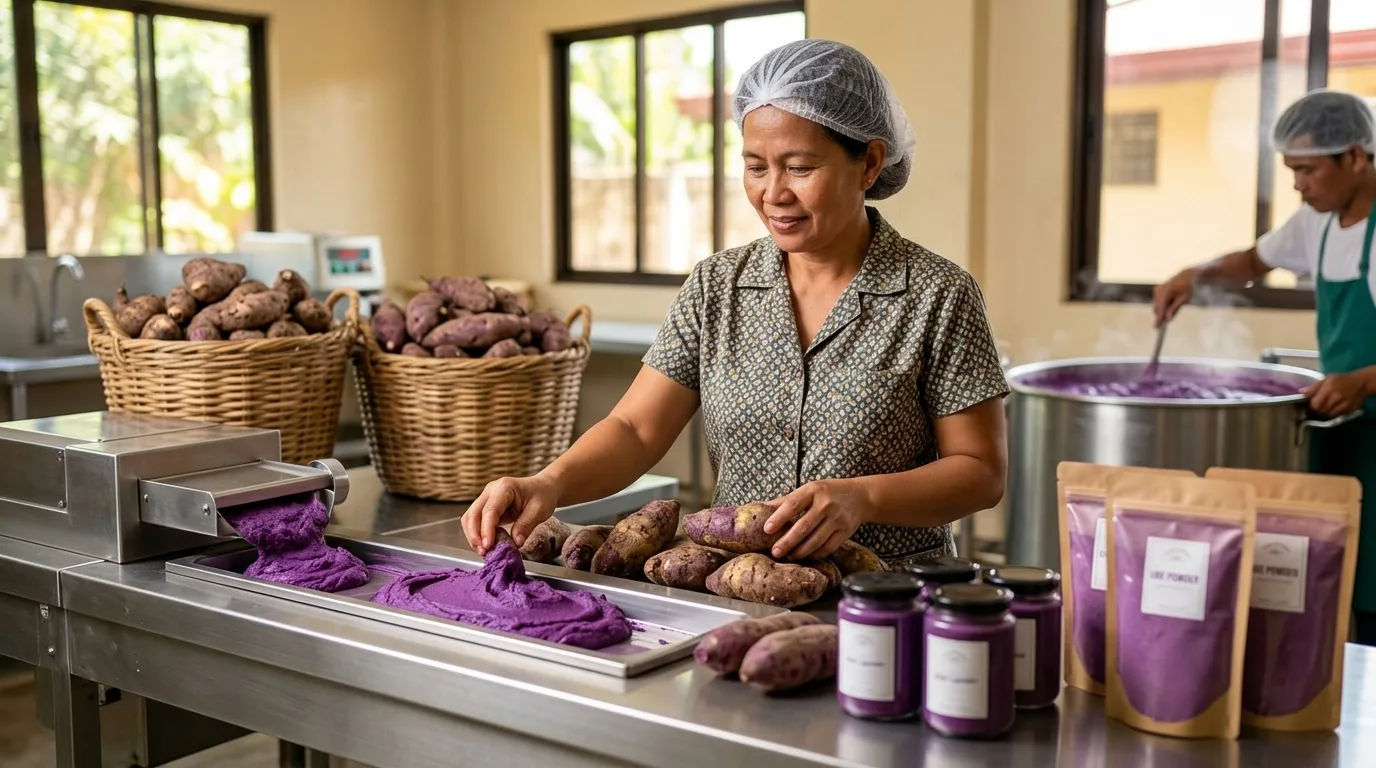
Ubi kinampay, one of Bohol’s well-known agricultural products, is being developed as a high-value crop with growing demand in local and international markets.
Bohol explores ways to increase ubi production
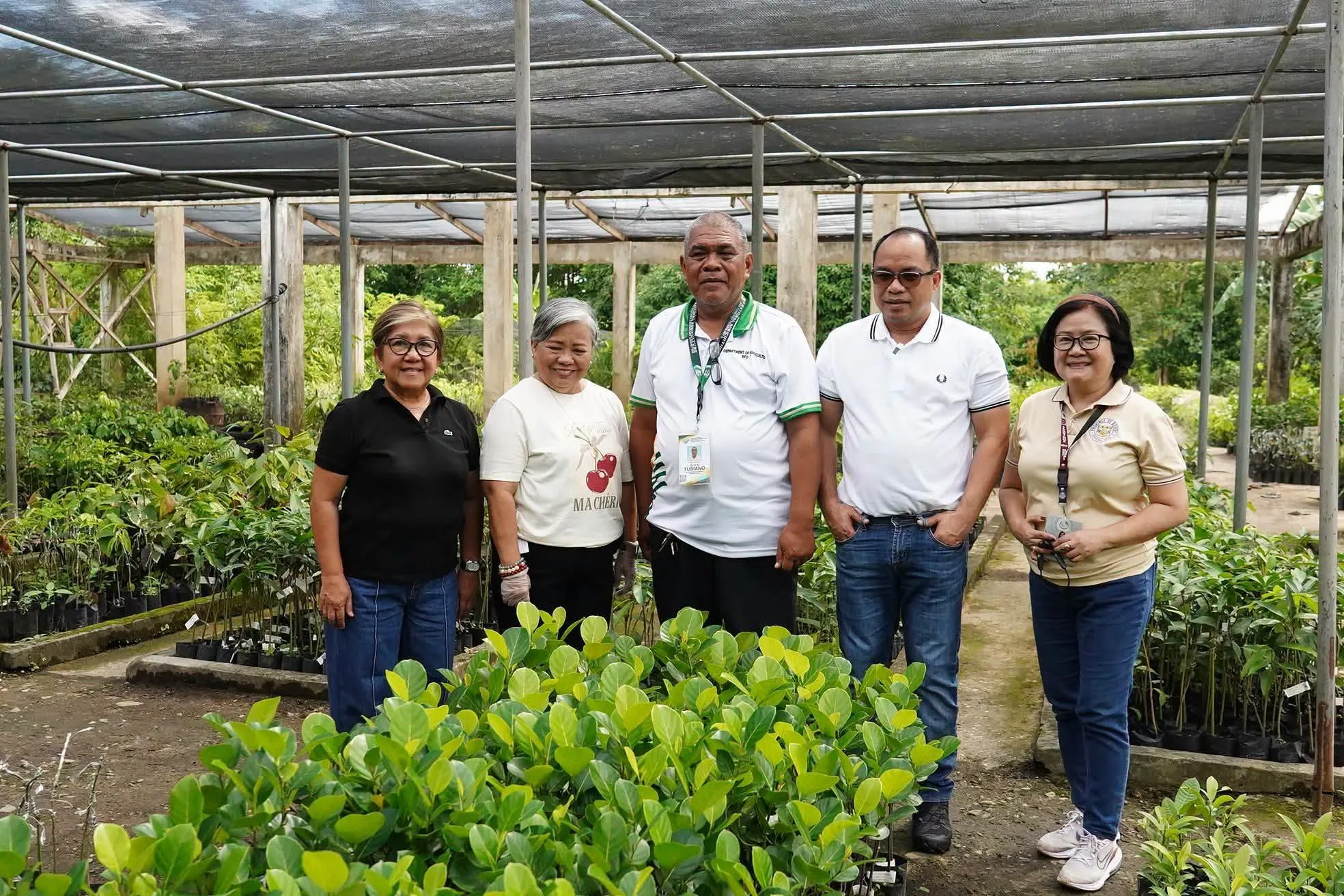
Bohol Governor Erico Aristotle Aumentado recently visited the Bohol Experiment Station (BES) in Barangay Gabi, Ubay, to check the ongoing propagation of ubi kinampay and assess the additional support needed to help farmers and improve production. The Bohol Experiment Station is a DA-7 research facility that plays an important role in developing agricultural technologies and quality planting materials.
During the visit, station officials demonstrated the tissue culture laboratory, where ubi kinampay planting materials are propagated. The process allows the production of quality planting materials that can later be distributed to farmers to help increase ubi production across the province.
Aumentado said the continued development of ubi kinampay remains a priority for the provincial government. He described the crop as one of Bohol’s flagship agricultural products with strong potential in both domestic and international markets. The governor also said the visit helped provincial officials better understand the current condition of the ubi industry and identify the assistance needed by farmers and the research station.
Provincial officials also checked the equipment requirements of the Bohol Experiment Station to support its research and production activities. The delegation also visited the station’s research projects involving other crops, including the Bohol sweet jackfruit variety.
Farmers receive training on ubi production
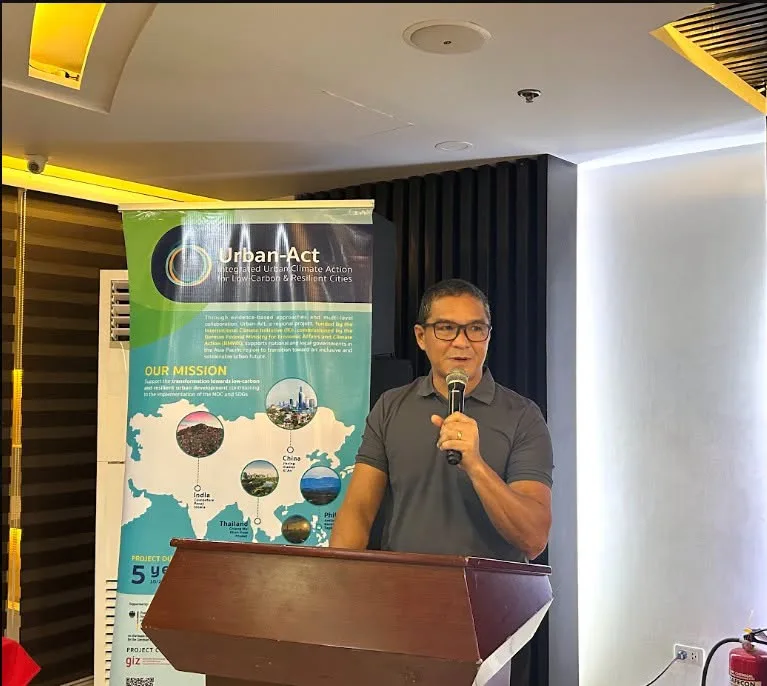
As part of the effort to improve ubi production, DA-7 conducted a two-day specialized training on ubi production on June 23 and 24. The training was attended by 25 farmers from the municipalities of Alburquerque and Corella under the High Value Crops Development Program.
The program covered proper ubi farming techniques, pest and disease management, and post-harvest handling. These lessons were aimed at improving crop quality, increasing farm productivity, and reducing losses.
Clarissa B. Jamilo, Senior Science Research Specialist at the Bohol Experiment Station, discussed ubi production management and the different varieties of Dioscorea alata L., with a focus on Bohol’s famous ubi kinampay. She also explained the crop’s nutritional value, increasing market demand, and recommended farming practices, from selecting varieties and planting materials to harvesting.
Farmers were also trained to identify common insect pests and diseases that affect ubi crops. They learned appropriate management practices to help prevent crop damage and improve harvest yields.
DA-7 Agricultural Program Coordinating Officer for Bohol Roman Dabalos encouraged the participants to apply what they learned and share the knowledge with other farmers in their communities.
Government plans wider ubi kinampay production
Efforts to expand Bohol’s ubi kinampay industry also gained support from the Department of Agriculture’s High Value Crops Development Program. Earlier this year, DA Undersecretary Cheryl Marie Natividad-Caballero visited Bohol and presented plans to increase ubi kinampay production in response to growing demand in local and international markets.
The proposal includes increasing the supply of quality planting materials through the Bohol Experiment Station while strengthening government policies and cooperation between government agencies and private businesses.
The development of ubi kinampay is also being supported by research into its potential health and market benefits. During the officials’ visit, ubi kinampay was noted for its natural antioxidant properties and its potential as a locally produced alternative to matcha.
With continued research, farmer training, and increased access to quality planting materials, the provincial government and DA-7 are working to make Bohol ubi kinampay a more competitive agricultural product and create additional opportunities for local farmers.