


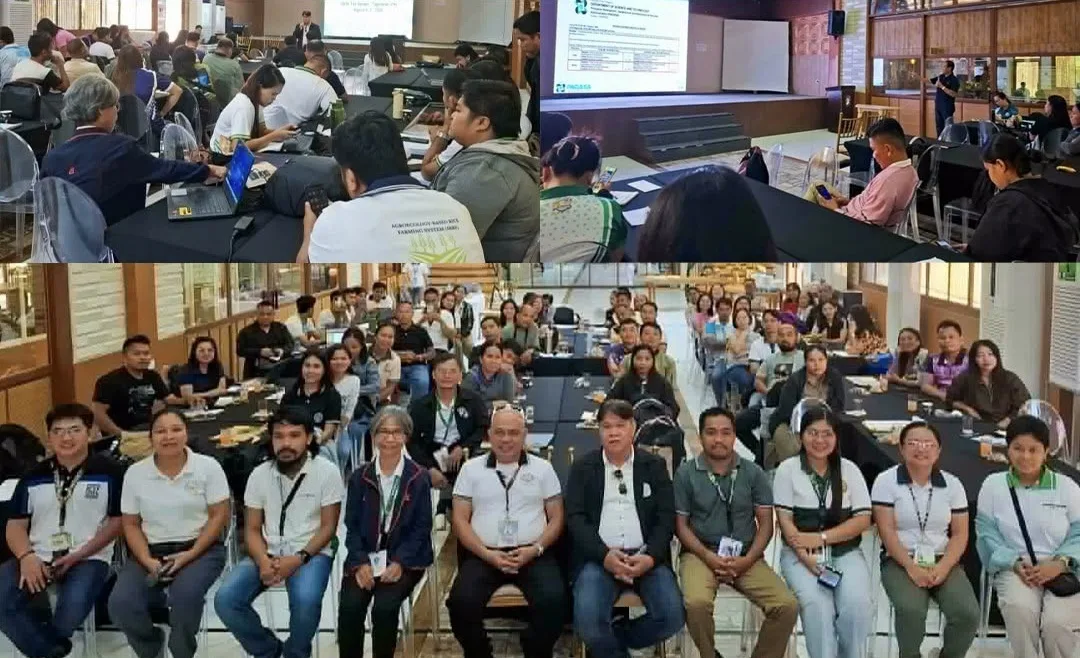
BOHOL — The Provincial Government of Bohol continued its efforts to strengthen agricultural development and food security through a meeting and consultation with rice technicians on August 6–7, 2026, at Panda Tea Garden in Tagbilaran City. The activity was organized by the Office of the Provincial Agriculturist (OPA) under the leadership of Gov. Aris Aumentado, in coordination with the Department of Agriculture Regional Field Office VII (DA-7).
The meeting brought together rice technicians from different local government units in Bohol, along with representatives from PAG-ASA, the Philippine Statistics Authority (PSA), PhilMech, Agricultural Training Institute (ATI), Philippine Crop Insurance Corporation (PCIC), National Irrigation Administration (NIA), and Philippine Rice Research Institute (PhilRice).
Rice Farmers Key to Food Security
During the opening program, Assistant Provincial Agriculturist Dr. Larry Pamugas highlighted the important role of Bohol's rice farmers in ensuring a stable food supply. DA-7 Agricultural Program Coordinating Officer Roman Dabalos also discussed government programs and interventions aimed at increasing rice production and improving farmer productivity. The discussions focused on strengthening support for farmers and improving coordination among agencies and local governments involved in the rice sector.
Bohol Reports 17,182 Hectares Planted
Provincial Rice Coordinator Maricel Barloso reported that 17,182 hectares, or 31.89 percent of Bohol's total rice area, had been planted. However, she noted that the figure was lower compared with the previous cropping season because of below-normal rainfall. The reduced rainfall delayed land preparation and affected the planting schedule, prompting officials to encourage faster planting and stronger preparation for possible weather challenges.
Climate-Resilient Farming Needed
The consultation also highlighted the need for Bohol's rice sector to prepare for changing weather conditions. With PAG-ASA forecasting the possibility of an El Niño event, agricultural officials emphasized the importance of adopting climate-resilient farming strategies. Improving farm planning, strengthening coordination and using appropriate agricultural technologies were among the measures discussed to help farmers manage climate-related risks.
Rice Clustering Seen as Key Strategy
One of the major strategies discussed during the consultation was rice clustering, which can help farmers improve production by organizing farming activities and resources across larger areas. The approach can support farm mechanization, better access to agricultural services, improved productivity and stronger market competitiveness. The OPA, DA-7, local government units and partner agencies reaffirmed their commitment to working together to build a stronger and more resilient rice industry in Bohol.
Agriculture Supports Bohol's Sustainable Development
The initiative supports the Strategic Governance Goals of the Provincial Government of Bohol while also contributing to the Sustainable Development Goals of the Bohol Island UNESCO Global Geopark. Through stronger partnerships, climate-resilient farming practices and improved support services, Bohol continues to work toward greater rice production and long-term food security for its communities.
