Helping Families Make Better Food Choices
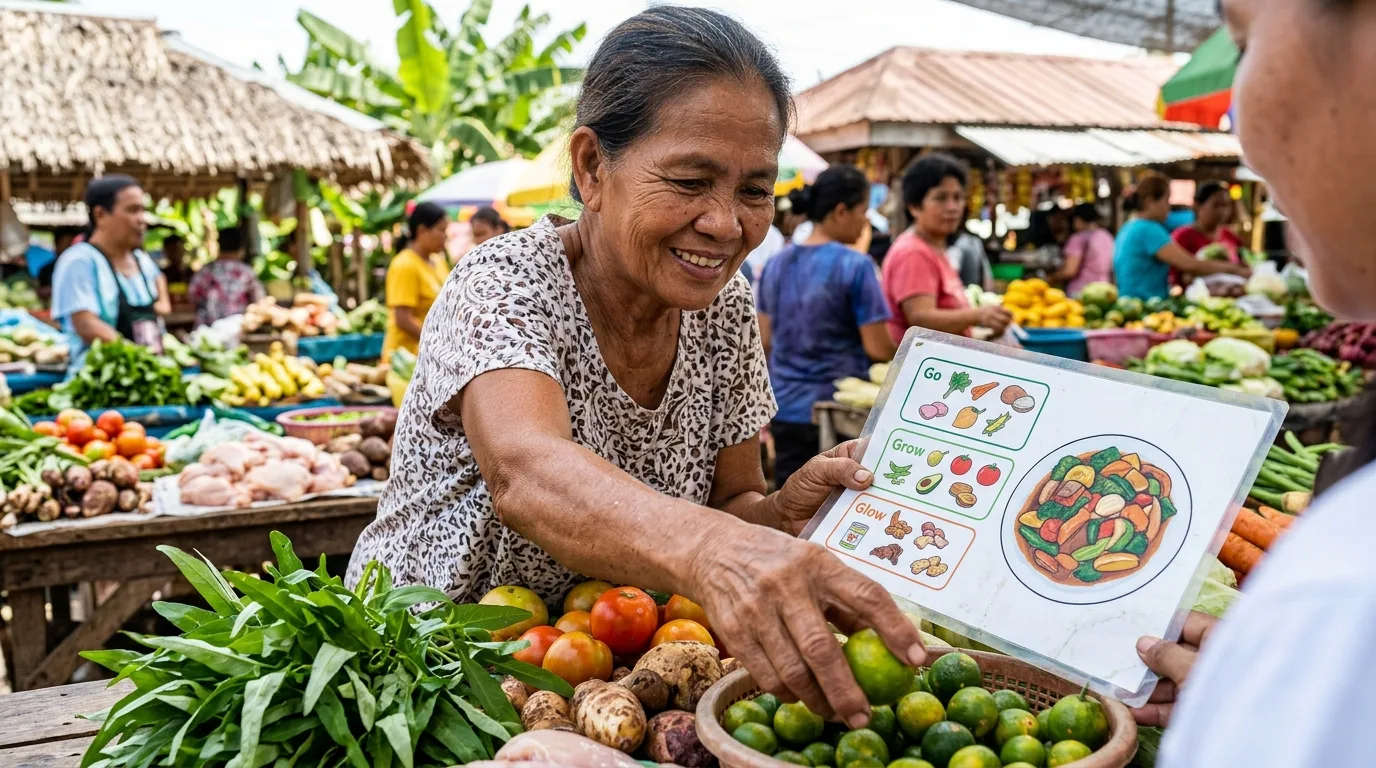
BACOLOD - Nutrition education helps residents understand how different foods contribute to their overall health and daily energy needs. Learning about fruits, vegetables, protein sources, whole grains, and proper portion sizes can guide families in preparing balanced meals using ingredients available in local markets. It also encourages parents to develop healthy eating habits among children from an early age. Practical lessons on food labels, food preparation, and affordable meal planning can make nutritional information easier to apply, even for households working with limited budgets.
Preventing Nutrition-Related Health Concerns
Community nutrition programs can help residents recognize the importance of proper nourishment at different stages of life. Children need adequate nutrients for growth and development, while pregnant women, older adults, and individuals with specific dietary needs may require additional guidance. Nutrition education can also explain how excessive salt, sugar, and unhealthy fats may contribute to long-term health concerns. Through barangay health centers, schools, and community discussions, residents can receive guidance on healthy eating, recognize nutritional risks, and seek professional advice when necessary.
Building Healthier Communities Through Local Programs
Nutrition education becomes more effective when families, schools, health workers, and local organizations work together. Barangay feeding initiatives, cooking demonstrations, school-based nutrition activities, and community health consultations can help turn information into everyday practices. Local programs can also promote home gardening and the use of affordable, locally available produce to support healthier meals. By making reliable nutrition guidance accessible to more households, Bacolod can encourage healthier routines and strengthen community participation in preventing nutrition-related problems.