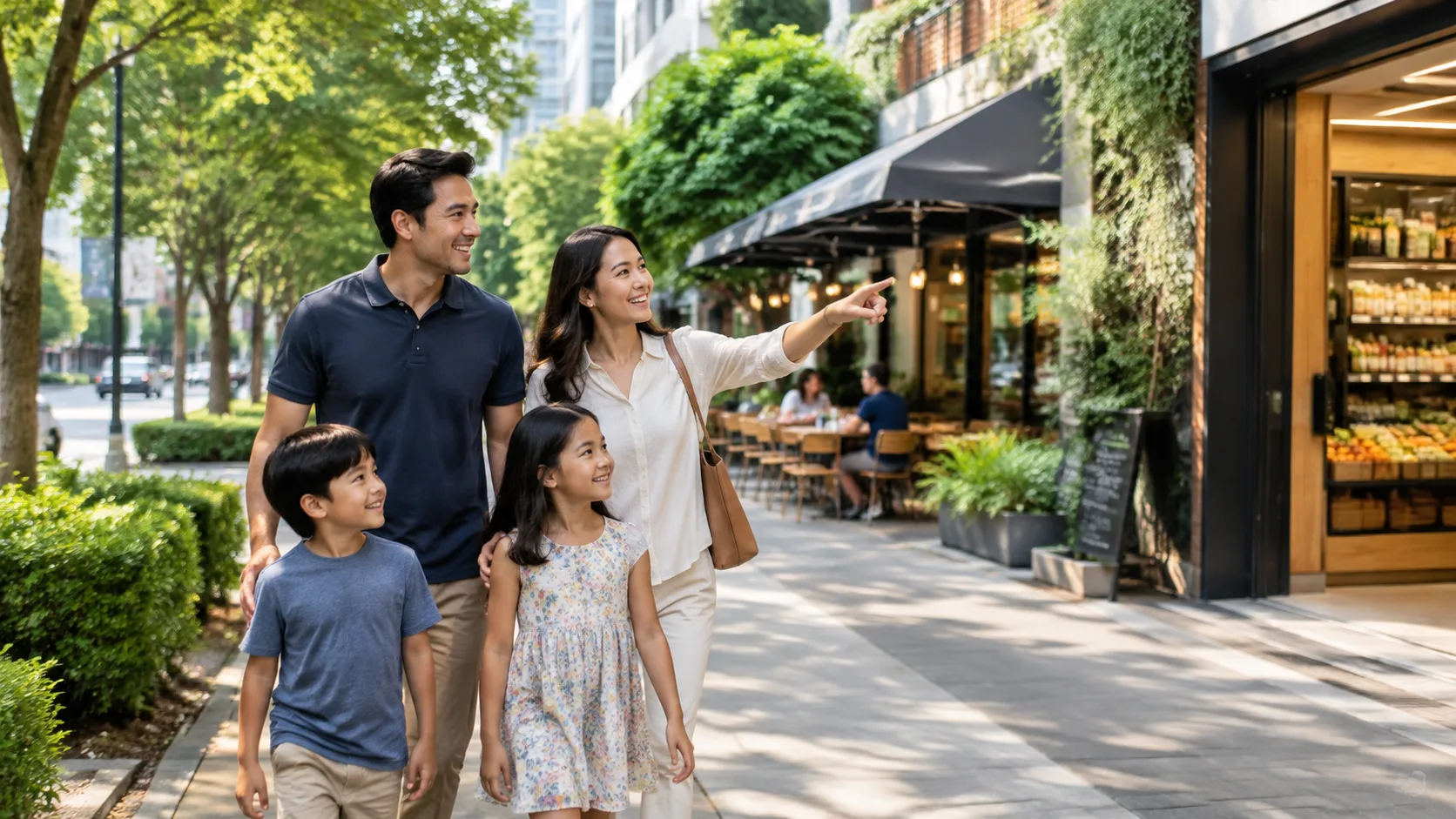
SURIGAO CITY — When the City Veterinary Office brings its Serbisyong Panghayop sa Barangay to communities across the city from October 27 to 29, 2026, the scene that unfolds will be familiar to anyone who has lived in a barangay where livestock and pets share the same streets. Neighbors will gather at a makeshift vaccination station, some carrying dogs in their arms, others leading hogs or goats on ropes. Children will watch from a distance. Barangay officials will help keep the line moving. The service is veterinary, but the setting is deeply communal.
A Morning That Belongs to the Neighborhood
The program's schedule, which moves from barangay to barangay across the three-day window, transforms ordinary public spaces into temporary animal health clinics. Pet owners arrive with questions they have been saving for weeks. Farmers ask about deworming schedules and vaccine intervals. The conversations that happen while waiting in line are as valuable as the services themselves, because they spread practical knowledge from household to household. A neighbor who learned how to spot signs of hog cholera shares it with another. A pet owner who once skipped vaccination because of the cost now encourages others to register.
The People Who Make It Work
Behind every vaccination table is a network of local hands. Barangay officials coordinate the schedule and inform residents. Barangay animal health workers assist with handling animals and recording data. Volunteers help manage the crowd and direct owners to the right station. These are not outsiders brought in for the day. They are residents of the communities being served, and their presence is what allows the program to reach households that might not respond to a city-wide announcement. Trust travels through familiar faces.
Why the Social Side Matters
Animal health programs are often evaluated by the number of animals vaccinated or the number of households served. Those metrics matter, but they miss something important. A barangay that comes together for a shared service builds a habit of collective action. Residents learn that government programs are not distant abstractions but something they can access on their own street. For the city, the program is an opportunity to strengthen its relationship with communities that are often left out of centralized services, particularly those in island and far-flung barangays. The ₱100 one-time registration fee for unregistered pets funds the system, and once an animal is recorded, services for the year are free.
A Quiet Kind of Resilience
The program does not produce dramatic headlines. It produces healthier animals, safer households, and neighborhoods that know how to look after one another. That is a modest form of resilience, but it is the kind that holds up over time. For Surigao City, the three-day drive is a reminder that community is built not only in celebrations and ceremonies but in the ordinary work of showing up for one another, one vaccination at a time.