


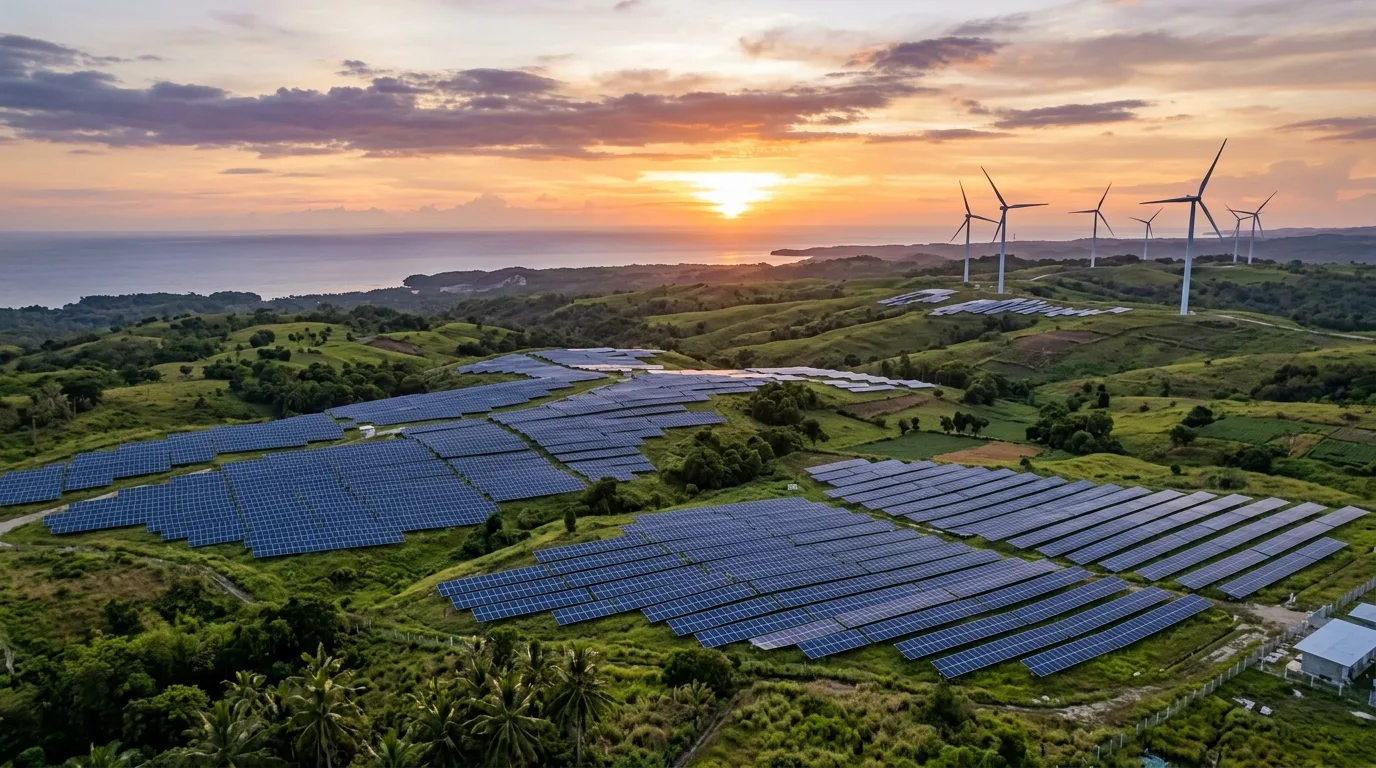
Bohol — Environmental advocacy group Greenpeace Philippines has issued an urgent call to President Ferdinand Marcos Jr., pressing the national administration to abandon costly "false solutions" and commit fully to renewable energy development. As the country grapples with escalating climate vulnerabilities and volatile fossil fuel prices, activists emphasize that the government must accelerate solar, wind, and geothermal investments rather than rely on imported gas and nuclear energy experiments. This strong appeal highlights the growing societal pressure on state leaders to enforce bold, science-based climate policies that protect both citizens and ecosystems.
Critiquing Reliance on Liquified Natural Gas and Nuclear Power
In its direct policy appeal, Greenpeace raised serious concerns regarding the continued expansion of liquefied natural gas (LNG) infrastructure and proposals for nuclear energy integration across the archipelago. Campaigners pointed out that locking the country into imported gas projects exposes Filipino consumers to severe price shocks driven by geopolitical conflicts and fluctuating global markets. Furthermore, activists argued that nuclear power introduces unacceptable environmental risks, massive financial costs, and prolonged construction timelines that fail to address the immediate climate crisis.
Unlocking the Vast Potential of Indigenous Clean Energy
Instead of turning to risky energy alternatives, the advocacy group stressed that the Philippines possesses abundant natural resources in solar, wind, biomass, and geothermal energy waiting to be fully harnessed. Accelerating indigenous clean energy projects can drastically reduce carbon emissions while insulating local industries and households from high utility costs. Transitioning to a decentralized, renewable-driven grid also empowers local communities to generate their own power, fostering long-term energy independence and economic resilience.
Demanding Urgent Accountability and Ambitious Climate Leadership
As extreme weather events become more frequent and severe across Southeast Asia, civil society organizations continue to demand immediate, decisive action from national policymakers. Greenpeace urged the administration to translate high-level environmental rhetoric into concrete legislative frameworks, such as fast-tracking green energy auctions and phasing out coal subsidies. By championing true sustainability and listening to grassroots climate advocates, the national leadership has a vital opportunity to secure a safe, clean, and prosperous future for generations to come.
No people
