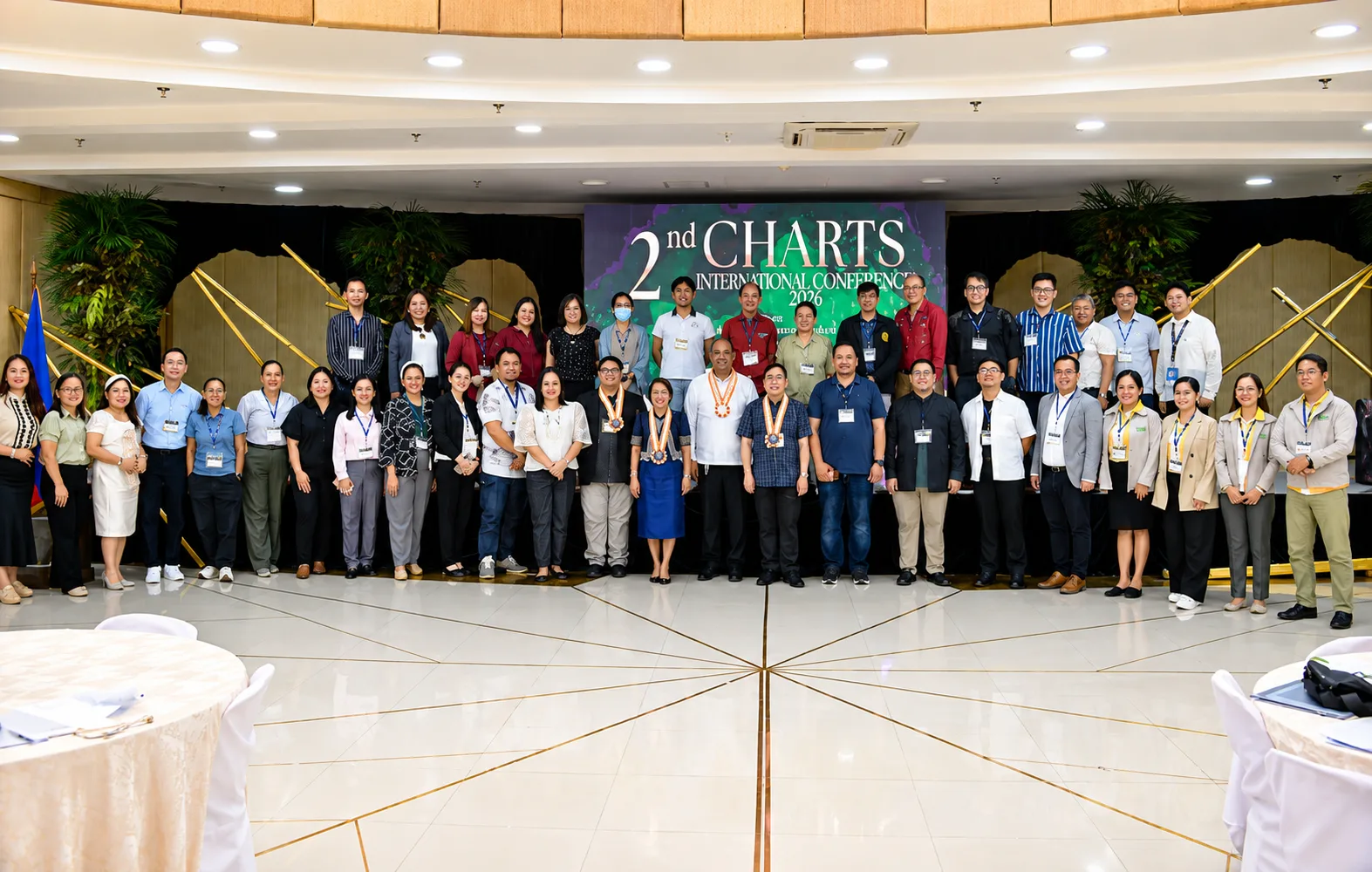
Bohol — Regional integration across Central Visayas is breaking new ground as the Regional Development Council (RDC-7) steps up efforts to institutionalize cross-border agricultural collaboration. During its full council meeting, RDC-7 strongly endorsed synchronized initiatives between Cebu and Bohol to bolster food security, stabilize supply chains, and protect local agricultural producers. Building upon the momentum of inter-provincial partnerships, regional planners are leveraging shared resources to ensure that both islands can effectively cushion against climate shocks and market volatility.
Harmonizing Agricultural Supply Chains and Trade
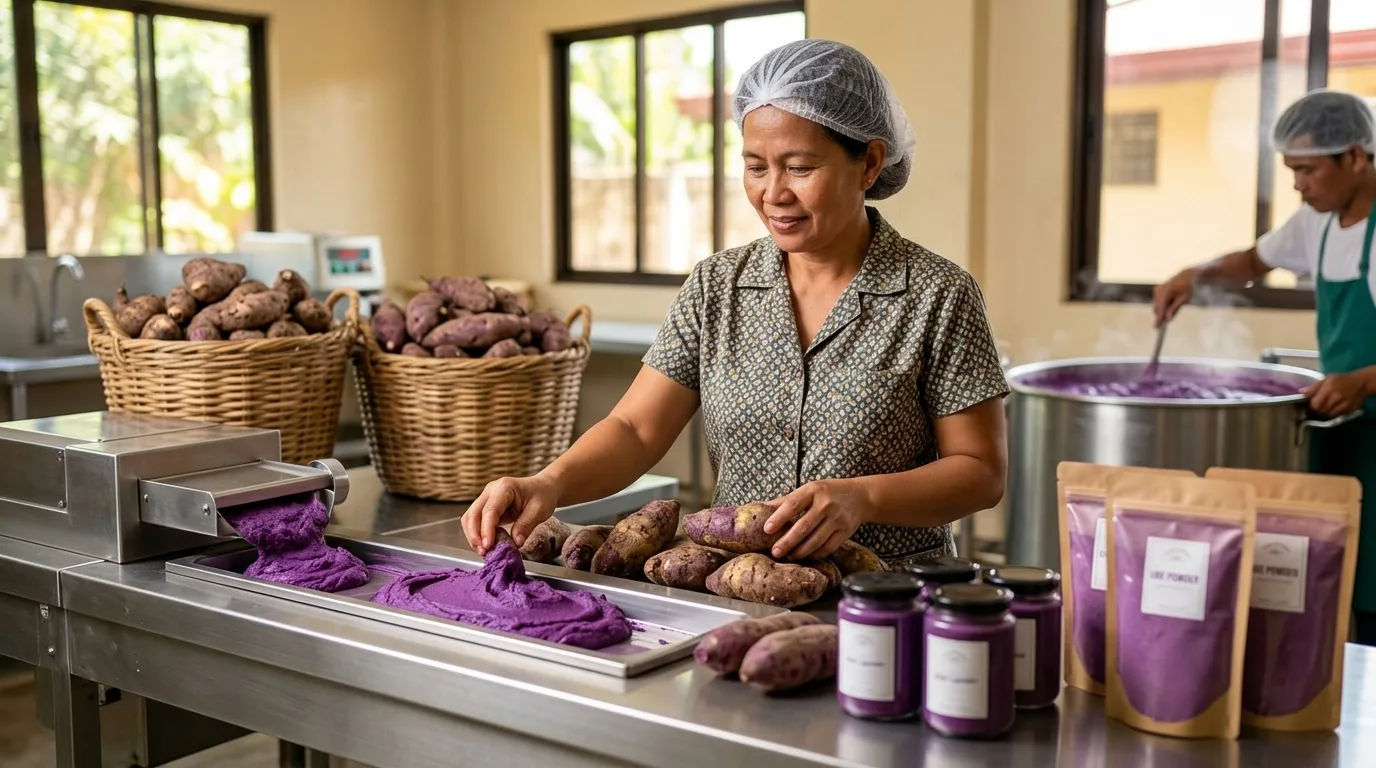
The strategic push focuses heavily on streamlining trade corridors for agricultural commodities, livestock, and fresh produce traveling between the two agricultural powerhouses. By removing bureaucratic bottlenecks and establishing direct market linkages between Cebu's bustling commercial centers and Bohol's rich farming heartlands, the council aims to reduce post-harvest losses and curb price spikes. Regional development directors emphasized that a unified food security framework prevents destructive inter-island competition, fostering instead a reliable, complementary supply network that benefits both producers and consumers.
Strengthening Climate Resilience in Farming Communities
Beyond immediate trade efficiencies, the RDC-7 initiative outlines long-term resilience measures to protect local farming and fishing communities from unpredictable weather patterns. Collaborative programs will introduce advanced climate-smart agricultural technologies, enhance irrigation infrastructure, and establish shared cold-storage facilities across strategic municipal ports. Agricultural extension workers from both provinces will also conduct joint training seminars to equip local growers with sustainable pest-management techniques and high-yield farming practices suited for tropical conditions.
Paving the Way for Sustainable Regional Prosperity
This high-level policy backing provides a robust economic framework that complements upcoming political milestones, such as the formal SugBohol sisterhood agreement between local government units. As regional leaders continue to synchronize their development plans, Central Visayas is setting a progressive benchmark for decentralized governance and collaborative economic growth in the Philippines. Through proactive planning and shared responsibility, Cebu and Bohol are successfully transforming geographic proximity into an enduring anchor for food security and shared prosperity.