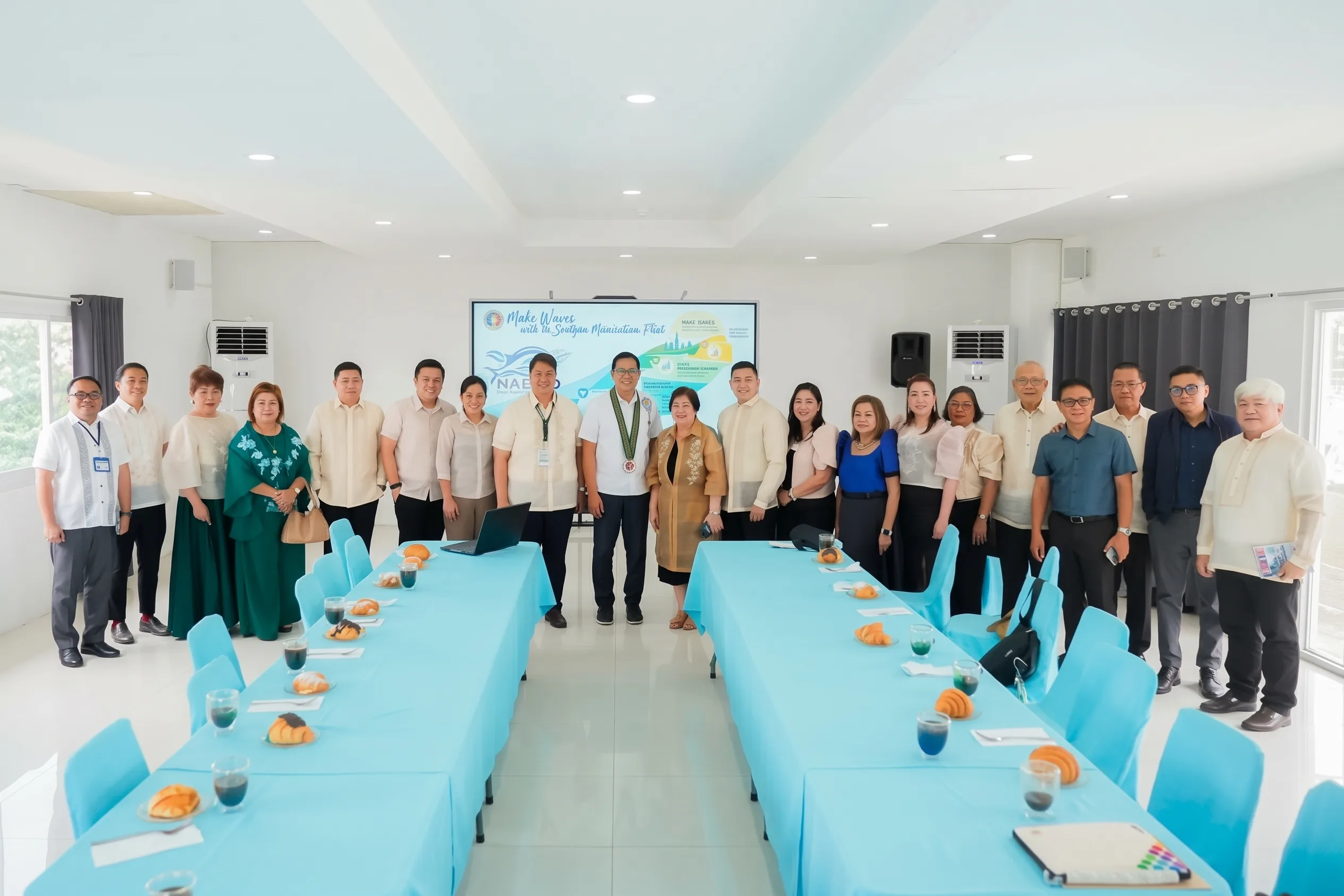
SURIGAO CITY — Surigao City is moving forward with plans to turn its coastal resources into a stronger driver of investment, employment, and sustainable economic growth through the proposed Nabago Mariculture Economic Zone. The city government recently met with the Mindanao Development Authority (MinDA) and the Philippine Economic Zone Authority (PEZA) to discuss the requirements and processes for advancing the proposed economic zone. The discussions highlight the city’s efforts to establish a globally competitive aquaculture hub while pursuing its broader vision of a “New Surigao”, a city that welcomes investment, supports growth, and builds partnerships that generate jobs, livelihoods, and new business opportunities for Surigaonons.
Building a Stronger Blue Economy
The proposed Nabago Mariculture Economic Zone is envisioned as a major component of Surigao City’s blue economy strategy. Covering approximately 350 hectares in Barangay Nabago, the proposed mariculture park is already an active area for marine culture, with private and government investors involved in various developments. Once established, the economic zone could provide a more streamlined environment for aquaculture enterprises through regulatory support, incentives, and infrastructure. This could attract investments ranging from large-scale fish cage operations to processing and other value-adding activities. The proposed zone also complements major investments already being made in the city’s fisheries infrastructure. The first phase of the Surigao City Fish Port expansion, valued at PHP193.6 million, is targeted for completion by October 2026, while the PHP172.39-million second phase is expected to introduce refrigeration facilities. Together, these developments could strengthen the fisheries value chain by connecting production, post-harvest handling, processing, storage, and market access.
Expanding Livelihood Opportunities for Coastal Communities
For residents, particularly fisherfolk and coastal communities, the proposed economic zone could translate into new employment and livelihood opportunities. Beyond aquaculture operations themselves, increased activity could create demand for related businesses and services such as fish feed supply, cold storage, logistics, processing, and other support enterprises. The potential of mariculture to generate income has already been demonstrated in nearby communities. The Kauswagan Fisherfolk Association in Cabadbaran, for example, recorded more than PHP1 million in gross income from its first major bangus harvest using Norwegian HDPE cage technology, with its products marketed in Surigao City. The experience illustrates how access to appropriate technology, infrastructure, and market opportunities can help fisherfolk develop more sustainable sources of income.
Scaling Up an Emerging Aquaculture Industry
Surigao City is also building on existing initiatives aimed at expanding local aquaculture. The city government, together with the Bureau of Fisheries and Aquatic Resources (BFAR), has launched the Aquaculture and Mariculture Expansion Project, which seeks to increase the city’s fish supply by 30 percent while creating sustainable livelihoods for coastal communities. The initiative is expected to benefit more than 200 fisher households in Barangay Baybay and nearby areas. Meanwhile, the Department of Agriculture has provided a PHP5-million grant to a Surigao City-based cooperative for the construction of a Norwegian Cage system and prefabricated container storage, further supporting the development of local aquaculture enterprises. With the proposed Nabago Mariculture Economic Zone, these efforts could be expanded by bringing larger investments into the sector while creating opportunities for fisherfolk, micro-entrepreneurs, and small businesses to participate in the growing aquaculture value chain. As Surigao City advances the proposal, the Nabago Mariculture Economic Zone represents a potential convergence of investment, fisheries development, and community livelihood, supporting the city’s broader goal of building a more productive and sustainable coastal economy.