Start Preparing While the Weather Is Still Manageable
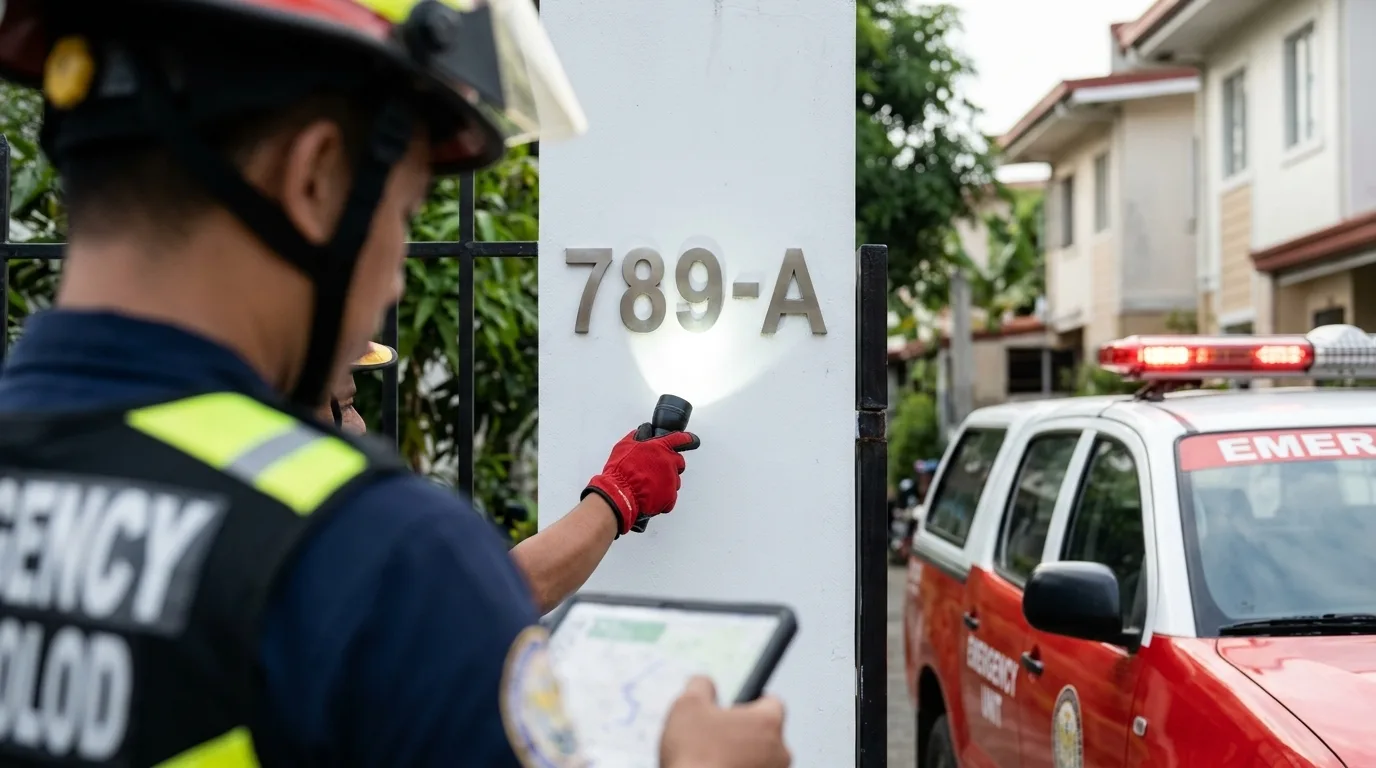
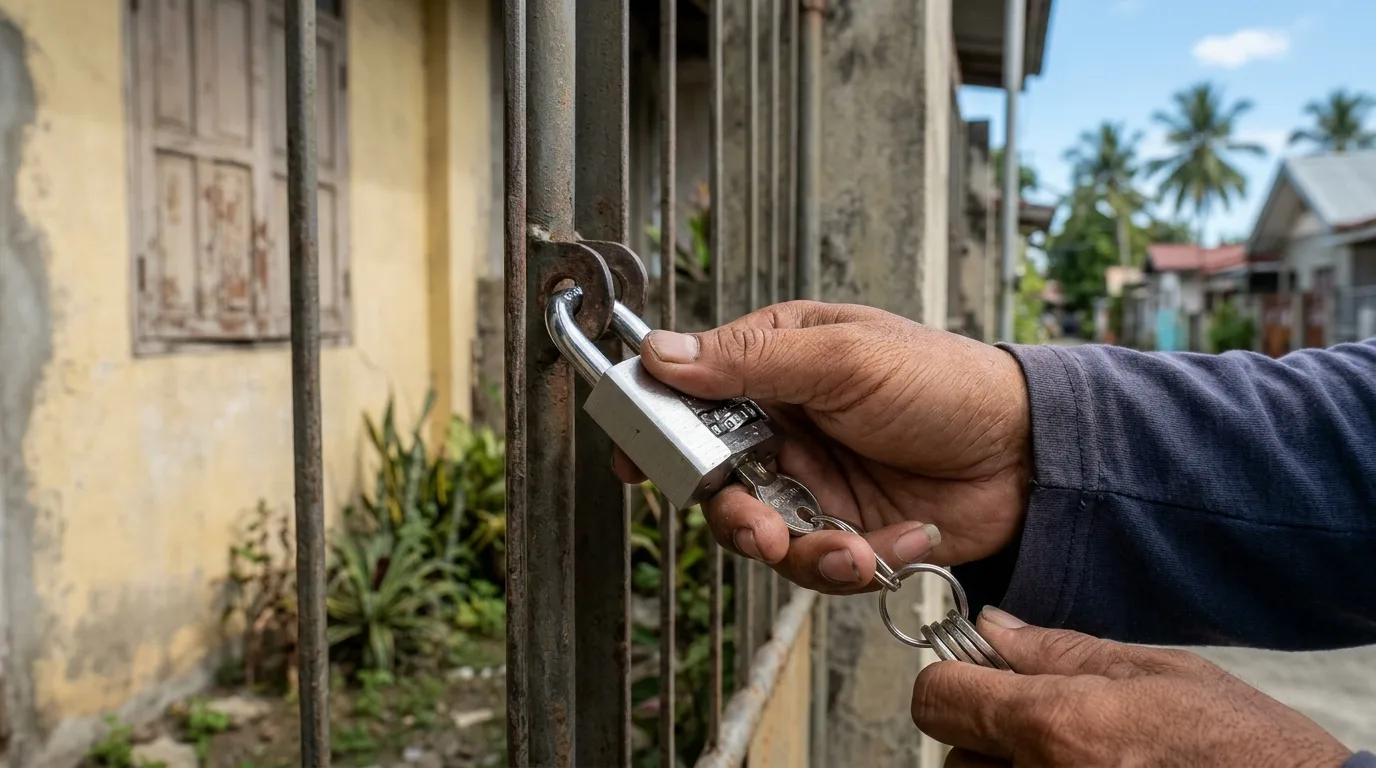
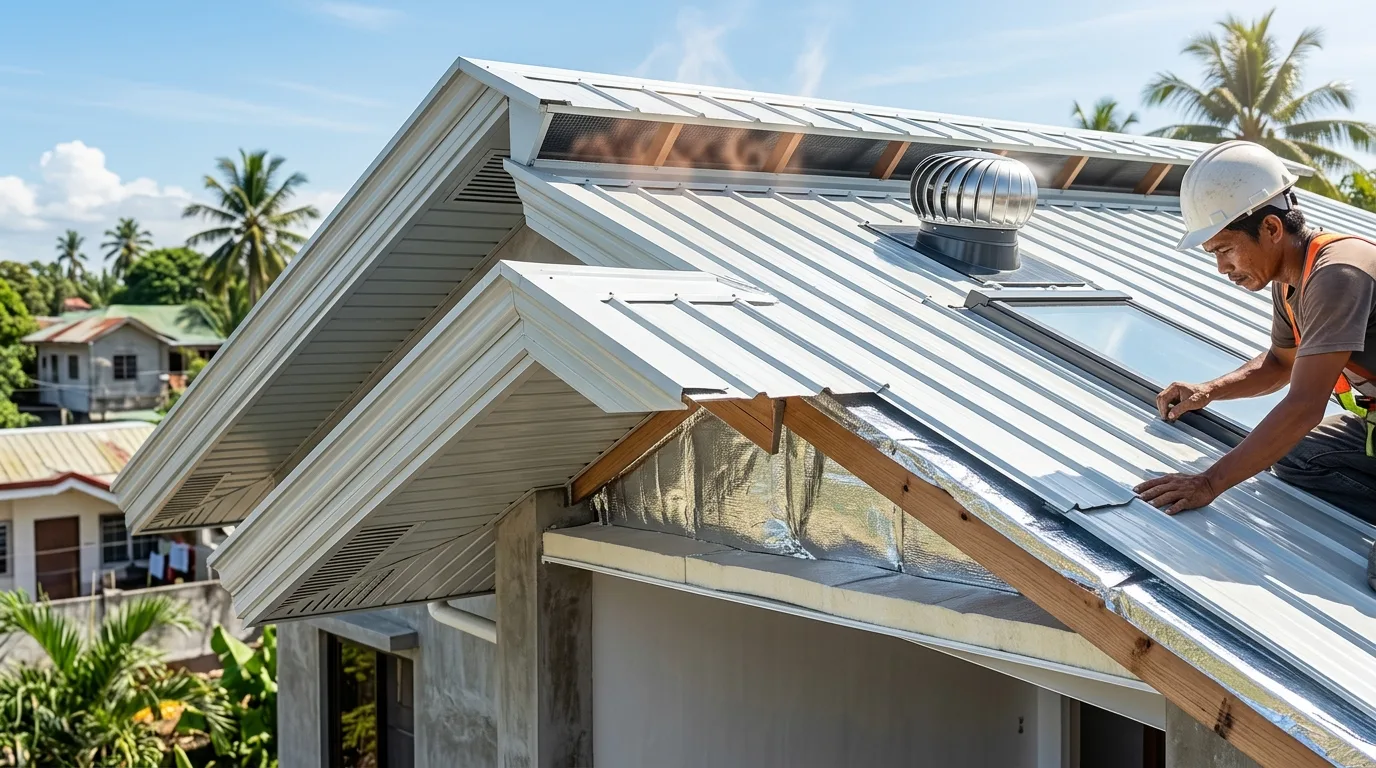
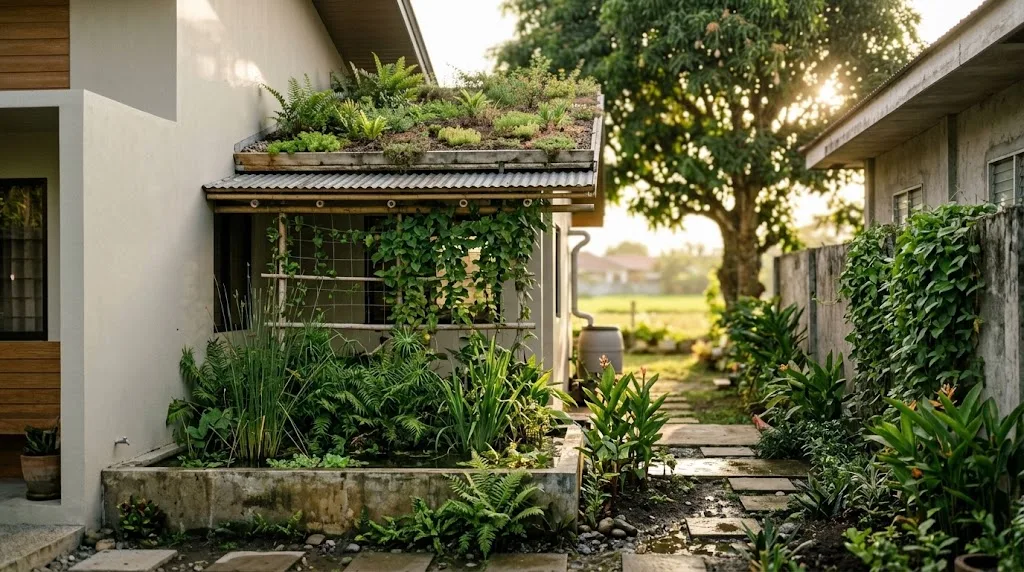
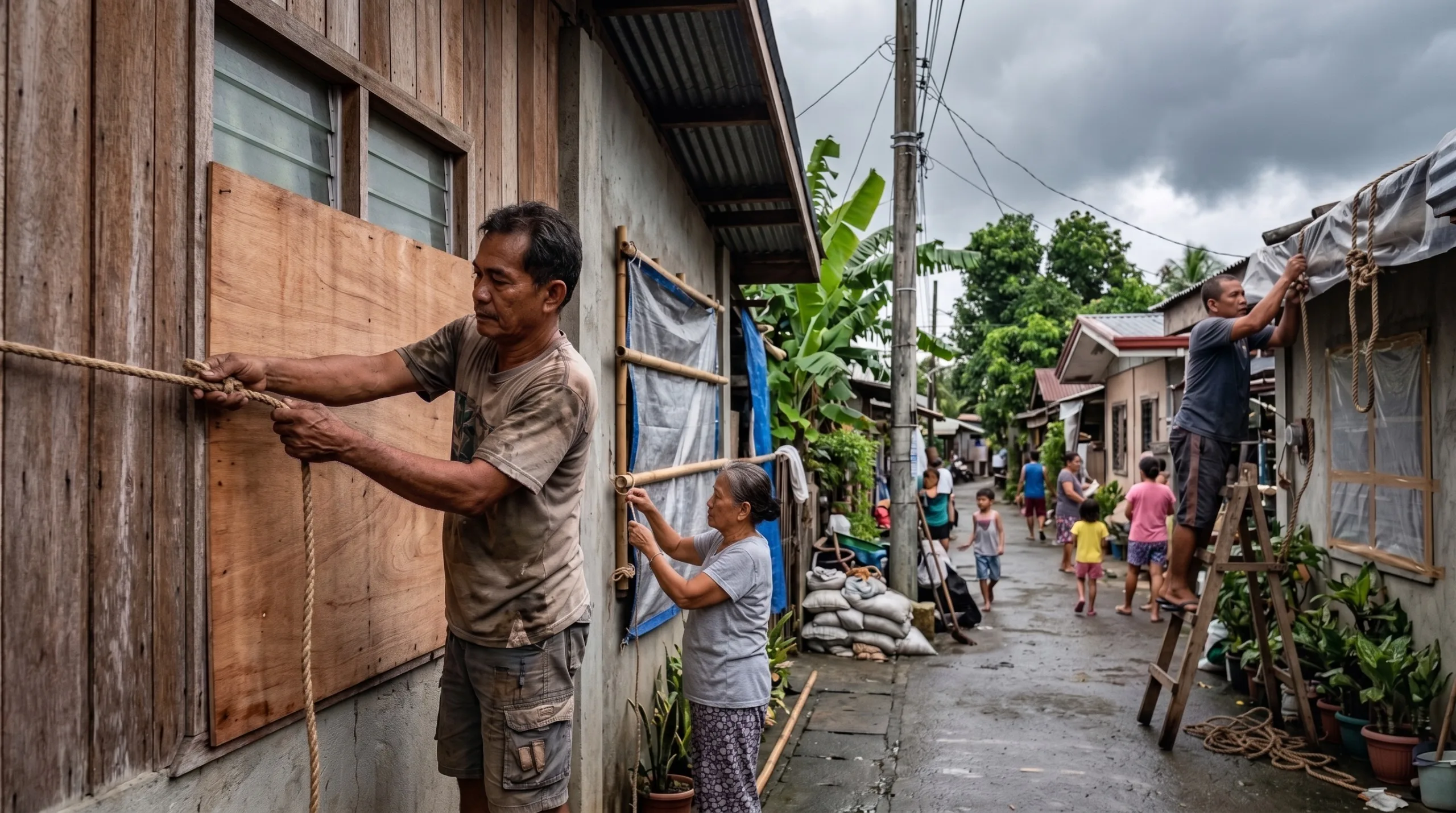
BACOLOD - The easiest time to prepare is before strong winds and heavy rain arrive. Check the roof, windows, doors, gutters, drainage areas, and anything outside the house that could become loose or dangerous during strong winds. Bring plants, outdoor furniture, tools, signs, and other lightweight objects indoors or secure them properly. It is also a good time to charge phones, power banks, lamps, and other essential devices while electricity is still available. PAGASA's weather outlook for October 19 to 22 called for cloudy conditions with scattered rains and thunderstorms over the Visayas and other areas as the tropical cyclone moves toward the PAR, making early preparation especially useful.
Build a Small Emergency Kit That Actually Helps
A household does not need an enormous supply of equipment to become better prepared. Keep drinking water, ready-to-eat food, medicines, a first-aid kit, flashlights, extra batteries, power banks, important documents, basic hygiene supplies, and a battery-powered or rechargeable radio where they can be reached quickly. Families with babies, older adults, pets, or members who need regular medication should prepare their specific needs ahead of time. It is also smart to keep some cash available because electronic payments and ATMs may become difficult to access during power or communication interruptions. Most importantly, know where everyone in the household will stay during strong winds and where the nearest evacuation center or safer location is if authorities advise leaving.
Stay Alert Without Letting Fear Take Over
Preparing for a typhoon is not about assuming the worst; it is about making sure the family has fewer problems to solve when the weather becomes difficult. Keep checking PAGASA, your local disaster risk reduction and management office, and other verified government channels for warnings, rainfall information, wind signals, evacuation instructions, and changes in the storm's path. Avoid relying on forwarded posts or unverified predictions, especially when a storm is still changing direction or intensity. PAGASA's October 19 information showed that Champi was still outside the PAR at that time, so residents should continue watching official bulletins rather than making decisions based on speculation. A few hours spent preparing today can bring much more peace of mind if stronger weather arrives tomorrow.