How High Temperatures Affect Crops
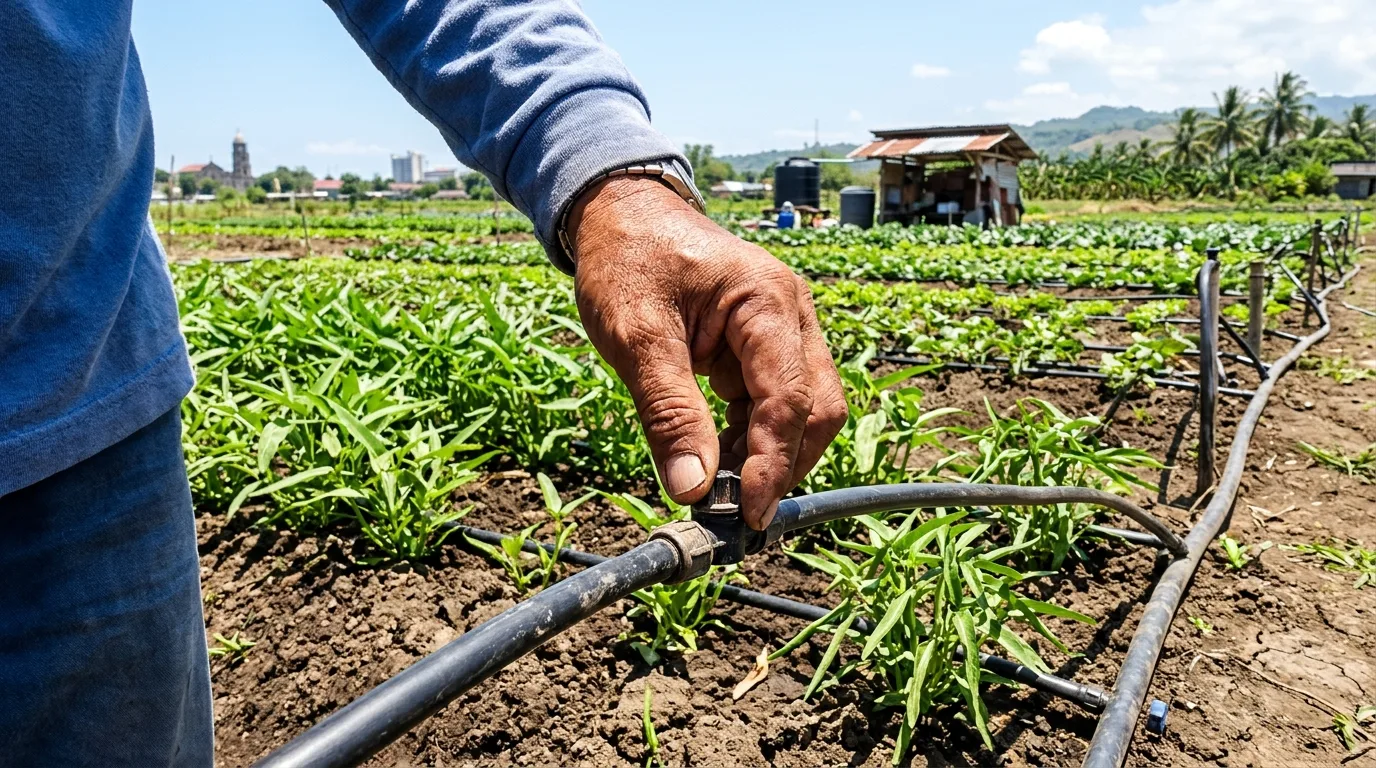
BACOLOD - Prolonged heat can increase water loss from soil and plants, making it harder for crops to maintain healthy growth. Some plants may experience wilting, leaf damage, reduced flowering, or poor fruit development when temperatures become excessive, particularly when rainfall is limited. Farmers can respond by monitoring soil moisture, applying mulch to reduce evaporation, maintaining appropriate irrigation schedules, and using shade structures for sensitive crops. Selecting crop varieties suited to local conditions can also help reduce the effects of extreme temperatures.
Keeping Farm Animals Comfortable During Hot Weather
Livestock also need additional attention during hot periods because high temperatures can affect their feeding habits, health, and productivity. Animals require access to clean drinking water, shaded resting areas, and shelters with sufficient airflow. Farmers can improve comfort by avoiding strenuous handling during the hottest hours and keeping animal housing clean and well-ventilated. Regular observation is important because unusual breathing, reduced appetite, and signs of weakness may indicate heat stress that requires prompt attention.
Preparing Farms for Changing Weather Conditions
Long-term preparation can help agricultural communities manage recurring periods of high temperatures. Farmers can improve water storage, maintain irrigation equipment, protect soil through organic matter and ground cover, and plan planting schedules around available weather information. Diversifying crops and coordinating with agricultural extension workers can also provide additional options when conditions become unfavorable. By combining practical farm management with weather monitoring, growers can strengthen their ability to protect crops, livestock, and household income during the heat season.