


CEBU — Cebu has become one of Southeast Asia's premier retirement destinations, offering world-class healthcare, an international airport, and vibrant commercial districts near beaches and mountain escapes. Local professionals, returning balikbayans, and foreign nationals all find options tailored to their needs.
A Retirement Haven in the Visayas
Cebu's strategic location in the heart of the Visayas makes it a convenient base for travel across the Philippines. Mactan-Cebu International Airport connects the province to major Asian cities, while domestic flights link retirees to Manila, Davao, and Iloilo. Daily conveniences are abundant.
Beyond infrastructure, Cebu blends urban energy with island tranquility. Retirees can enjoy cosmopolitan dining in Cebu IT Park or Ayala Center Cebu, then drive thirty minutes to cooler highlands in Busay. The contrast gives each day a refreshing rhythm.
Property Options for Every Retiree
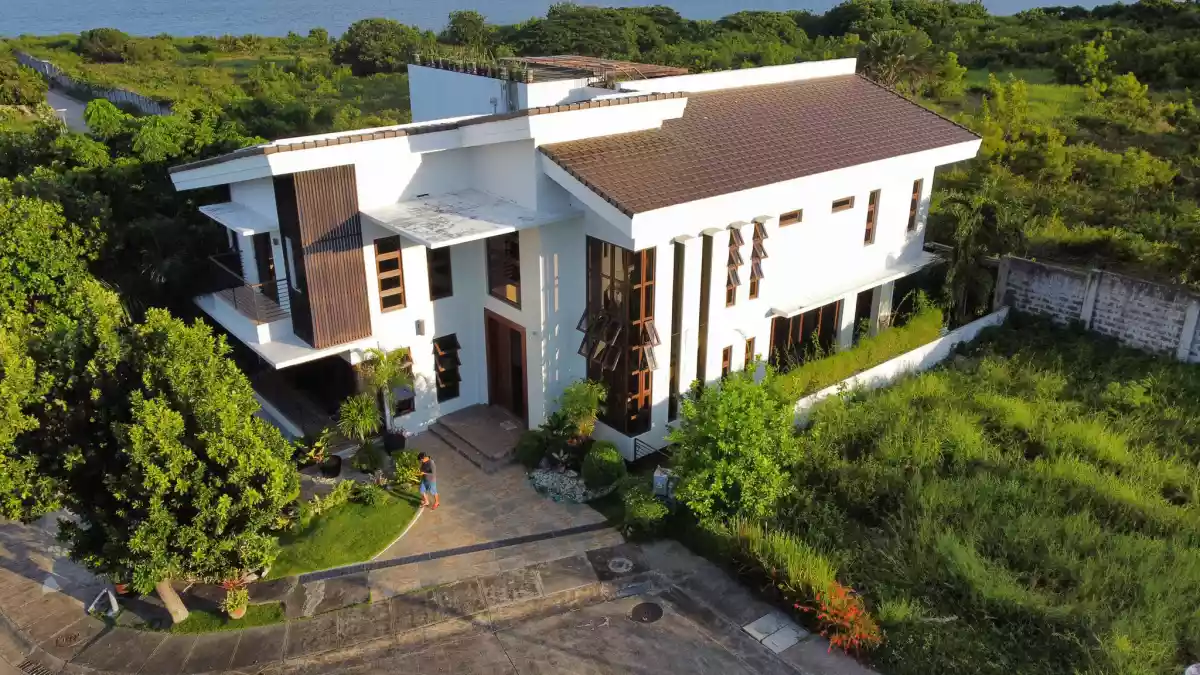
Natural-born Filipinos and dual citizens under Republic Act 9225 enjoy full fee-simple ownership of land, houses, and commercial properties. They can choose gated subdivisions in Banilad, Talisay, Liloan, or Consolacion, where space and security come at a fraction of Metro Manila prices. Property seekers can browse listings on platforms like Homes.ph to compare options across these locations.
Foreign nationals may purchase condominium units under their own names, provided foreign ownership in the building stays below forty percent. Projects in Cebu IT Park, Cebu Business Park, and Mactan Newtown cater to this market. Others prefer long-term land leases of up to fifty years, renewable for twenty-five.
The Special Resident Retiree's Visa, issued by the Philippine Retirement Authority, grants foreign retirees indefinite residency, customs exemptions, and tax-free pension remittances. It is a practical pathway for those seeking a long-term tropical lifestyle without the complexities of land ownership.
Healthcare and Connectivity
Metro Cebu serves as the medical hub of central and southern Philippines. Chong Hua Hospital offers tertiary care in cardiology, oncology, and advanced surgery across its Cebu City and Mandaue facilities. Cebu Doctors' University Hospital provides specialized diagnostics and wellness services.
University of Cebu Medical Center in Mandaue features modern technology and multi-specialty clinics, while Perpetual Succour Hospital is known for cardiovascular care. Filipino retirees can combine PhilHealth with private HMOs. Foreign retirees typically rely on international health plans or pay-as-you-go outpatient care.
Ride-hailing apps, metered taxis, and express buses connect the airport, shopping malls, and business districts. This efficient network allows retirees to stay mobile without maintaining a private vehicle if they prefer.
Cost of Living and Lifestyle
A comfortable monthly budget for a retired couple ranges from ₱53,000 to ₱119,000. Housing costs vary from suburban townhomes to central condominiums. Buying fresh produce and seafood at local wet markets keeps grocery expenses low and meals flavorful.
Cebu's culinary scene spans humble carinderias to fine dining, with world-famous lechon and fresh sutukil seafood at the center. Mactan's beaches and resorts are less than an hour from downtown. Island getaways like Moalboal, Bantayan, and Malapascua await weekend trips.
Under the Senior Citizens Act, Filipino retirees aged sixty and above receive a twenty percent discount and VAT exemption on medicine, medical consultations, domestic travel, and select dining. These perks stretch retirement budgets further.
Steps Before You Settle
Prospective retirees should schedule a trial stay of one to three months. Testing neighborhoods like Lahug for walkability, Banilad for quiet living, or Mactan for coastal proximity reveals which area suits daily routines best.
Returning balikbayans should complete dual citizenship documentation to simplify property purchases. Foreign retirees should consult accredited Philippine Retirement Authority agents to choose the right SRRV category and deposit tier. Legal guidance prevents costly mistakes.
Engaging an independent Philippine real estate attorney is essential. A lawyer should review land titles, condominium certificates of title, master deeds, or lease agreements before any financial commitment. Proper due diligence protects both savings and peace of mind.
