Understanding the Risks of Extreme Heat
BACOLOD - A heat index of 40°C falls within PAGASA's Extreme Caution classification, where prolonged exposure and strenuous physical activity may cause heat cramps and heat exhaustion. The heat index describes how hot conditions feel when humidity is considered alongside air temperature. People who work outdoors, exercise under direct sunlight, or spend long periods in poorly ventilated spaces should take regular breaks in cooler areas. Drinking enough water and wearing loose, lightweight clothing can also help the body manage heat more effectively.
Giving Extra Attention to Vulnerable Household Members
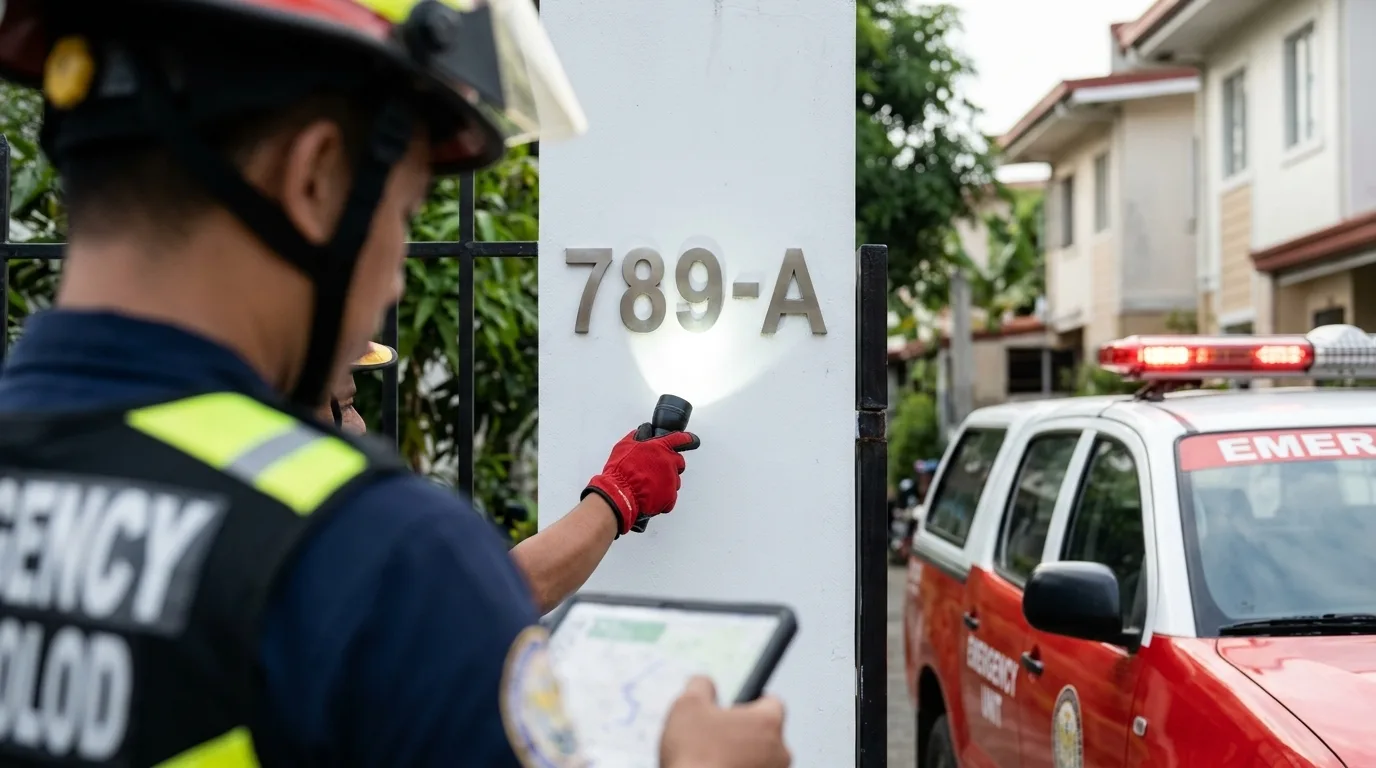
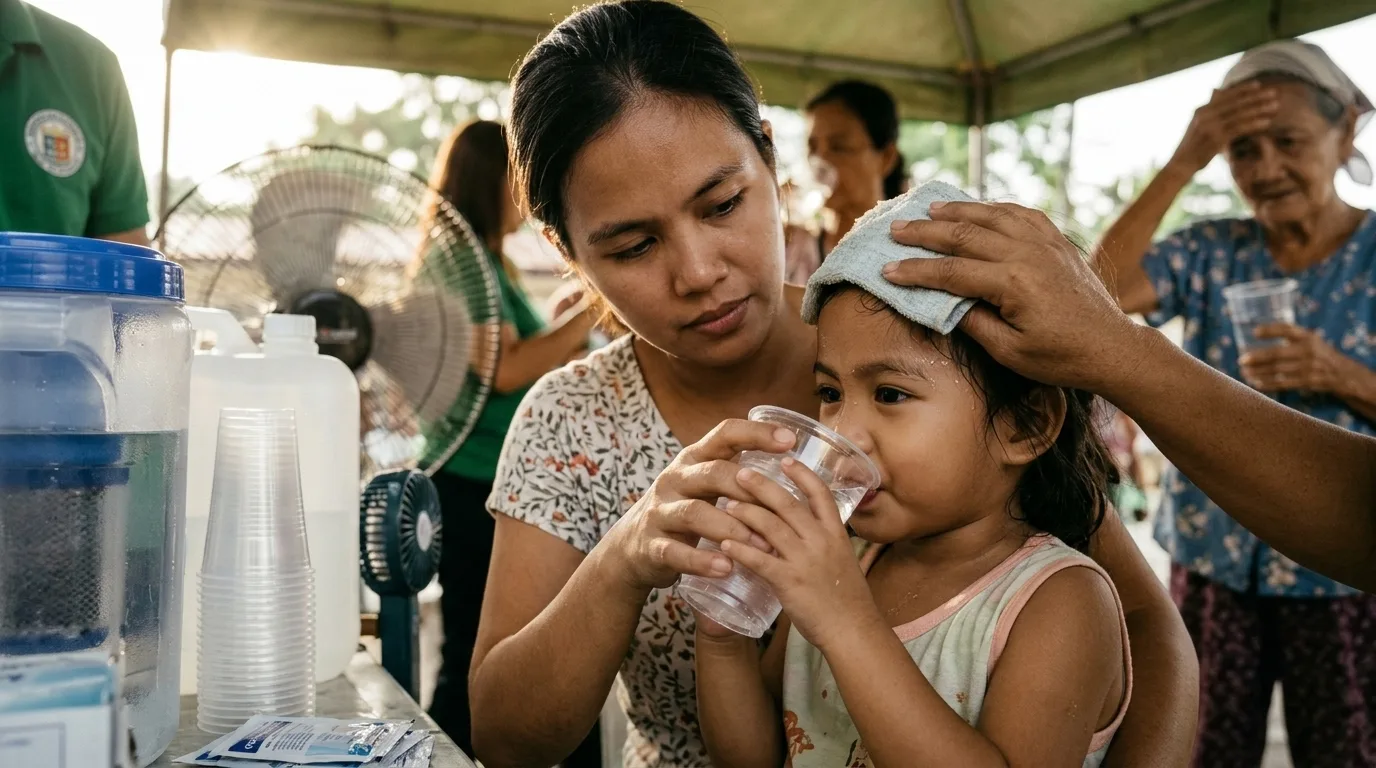
Children, older adults, pregnant women, and people with existing health conditions may need additional protection during periods of extreme heat. Families can help by making drinking water accessible, checking on elderly relatives, and scheduling outdoor activities during cooler hours. Warning signs of heat exhaustion include heavy sweating, weakness, headache, dizziness, nausea, and muscle cramps. Anyone experiencing these symptoms should stop physical activity and move to a shaded or cooler place. Confusion, seizures, or loss of consciousness may indicate heat stroke, which requires immediate emergency medical attention.
Making Homes and Daily Routines Heat-Ready
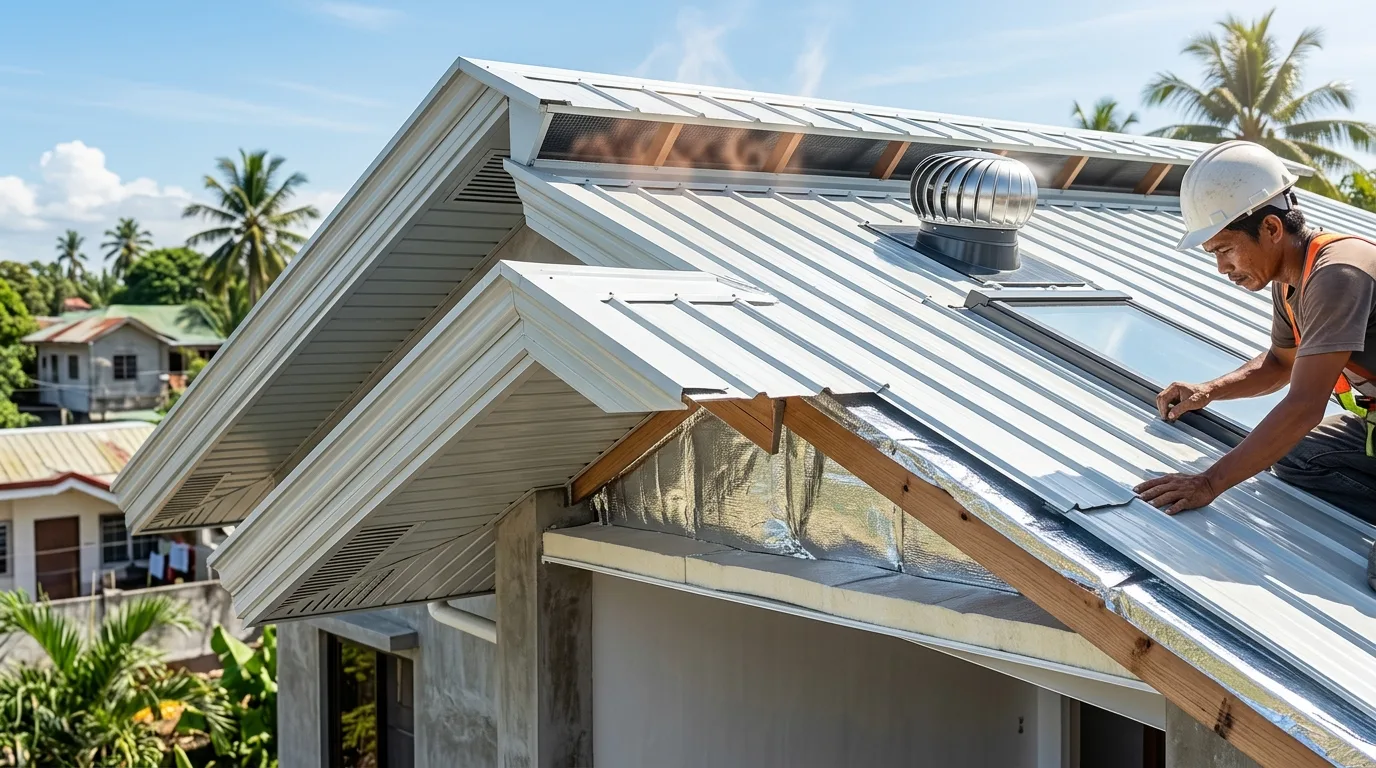
Households can reduce heat exposure by improving airflow, using electric fans when appropriate, closing curtains or blinds against direct sunlight, and limiting heat-producing activities during the hottest hours. Residents who need to travel or work outdoors should bring drinking water, wear protective clothing, and take breaks whenever possible. Checking official PAGASA advisories can also help families plan their activities around changing weather conditions. By making small adjustments at home and practicing consistent heat safety habits, Bacolod residents can better protect their families throughout periods of extreme heat.