From Market Surplus to Community Nourishment
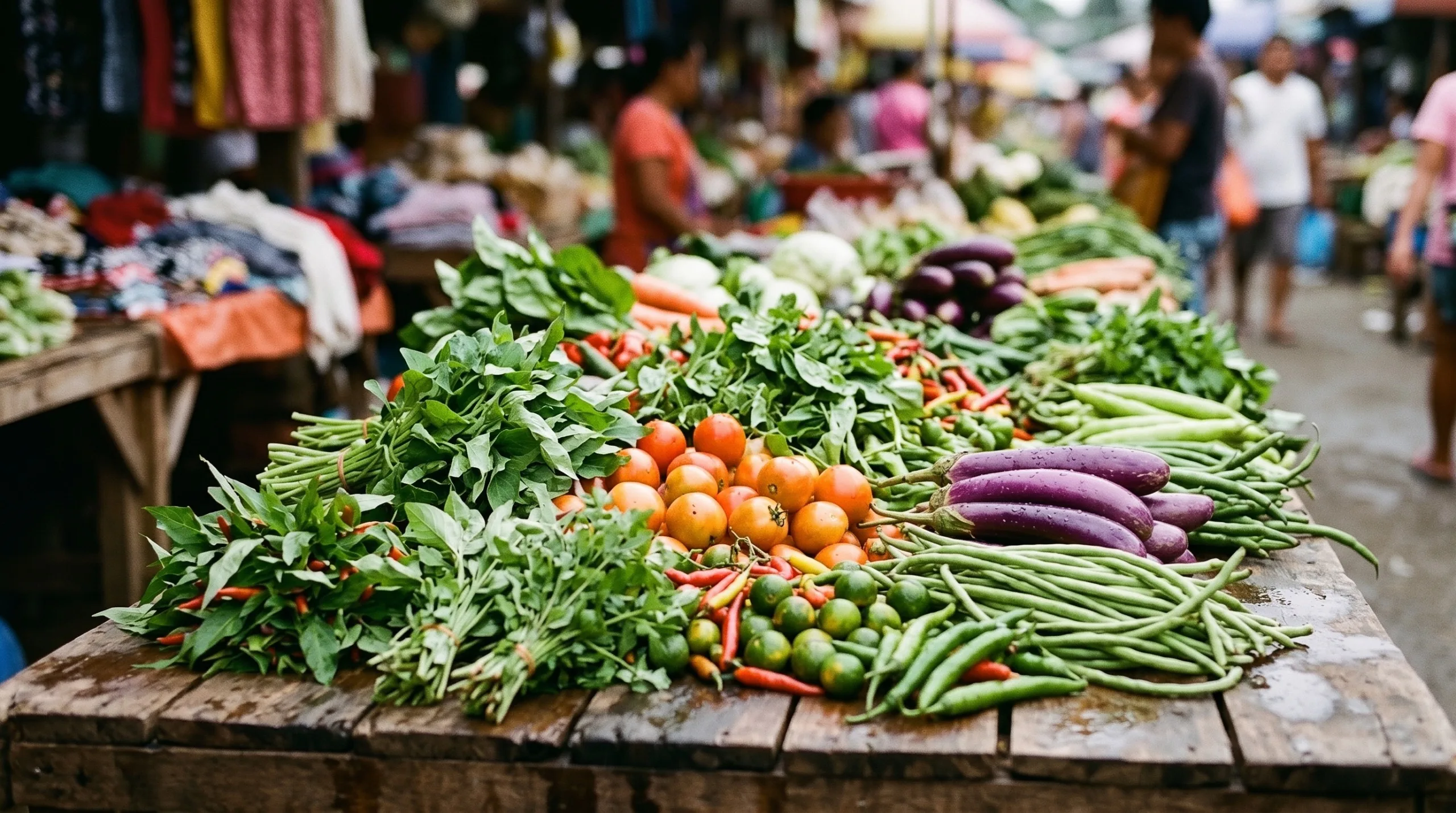
BACOLOD - The rescued food came from vendors at the Libertad Public Market through 20 consolidation days, with edible surplus redirected instead of being discarded. The collection included fruits, vegetables, seafood, meat, and groceries, showing that food can still have value even when it is no longer expected to be sold through regular market channels. The rescued items were brought to the Sagup Negros community pantry on Quezon Avenue in Barangay 36, where families could access the food. What might have ended as market waste instead became a source of nourishment for people in different parts of the city.
More Food Rescued, More Families Reached
The latest effort represents a significant expansion from an earlier collaboration in August, when around 622 kilograms of food from Libertad Public Market vendors benefited at least 40 families from three barangays. The newer collection more than tripled that amount, reaching 2,065 kilograms and 616 families. The initiative is being carried out in collaboration with the City of Bacolod through the Office of the City Administrator, with the goal of continuing to consolidate surplus food and redirect it toward communities that need it. The growing reach demonstrates how cooperation between market vendors, organizations, government offices, and residents can create a practical response to food waste.
A Win for People and the Environment
Rescuing food can also mean preventing the resources used to produce, transport, and sell that food from being wasted. Sagup Negros estimated that the rescued surplus represented about 1,032 kilograms of CO₂ equivalent avoided, based on an assumed factor of 0.50 kg CO₂e per kilogram of rescued food. The organization emphasized that this figure is an estimate and does not represent verified emission reductions. The effort also connects with Bacolod City Ordinance 1144, or the Food Waste Reduction and Sustainable Food Practices Ordinance, which promotes reducing food waste and encouraging more sustainable practices. Together, these efforts show that sustainability can start with something remarkably simple: finding a useful destination for food that would otherwise be thrown away.