Holiday Travel Brings More Passengers to Seaports
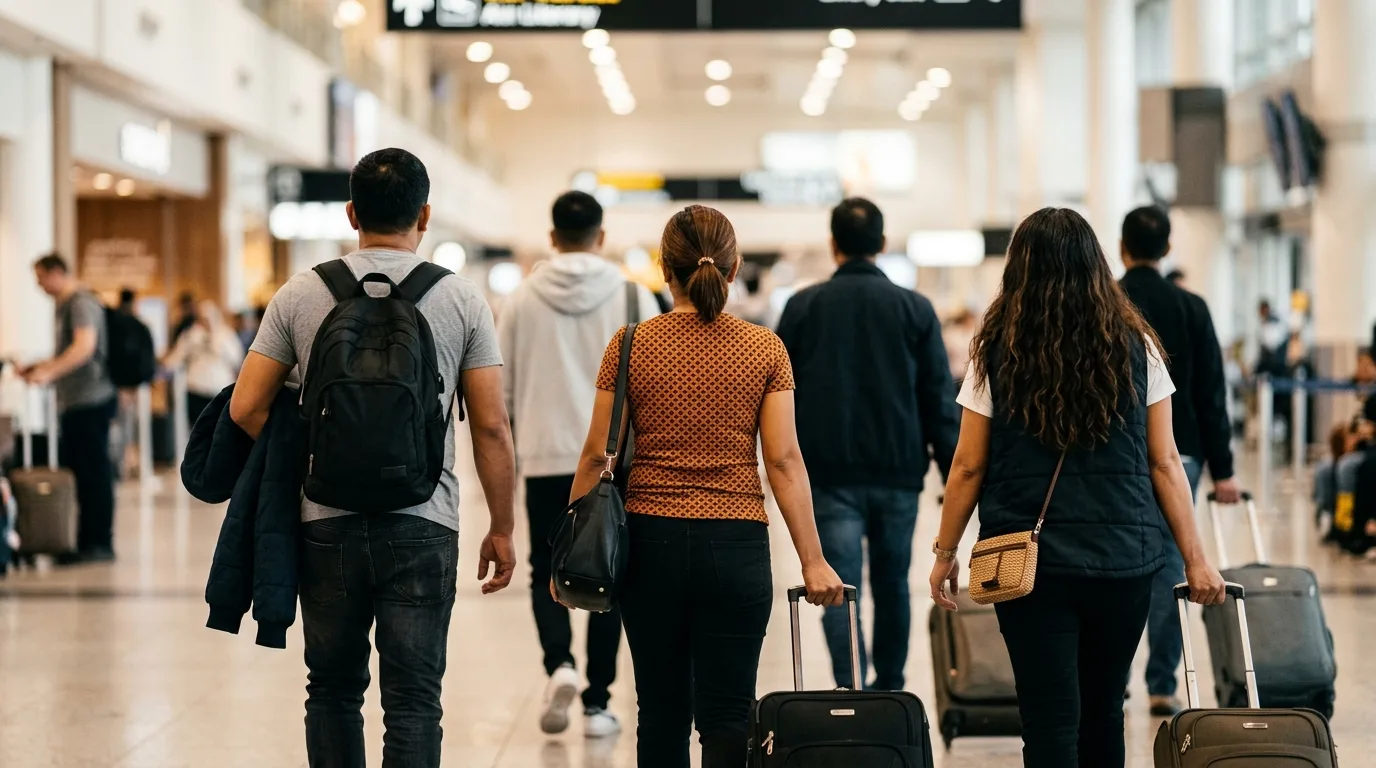
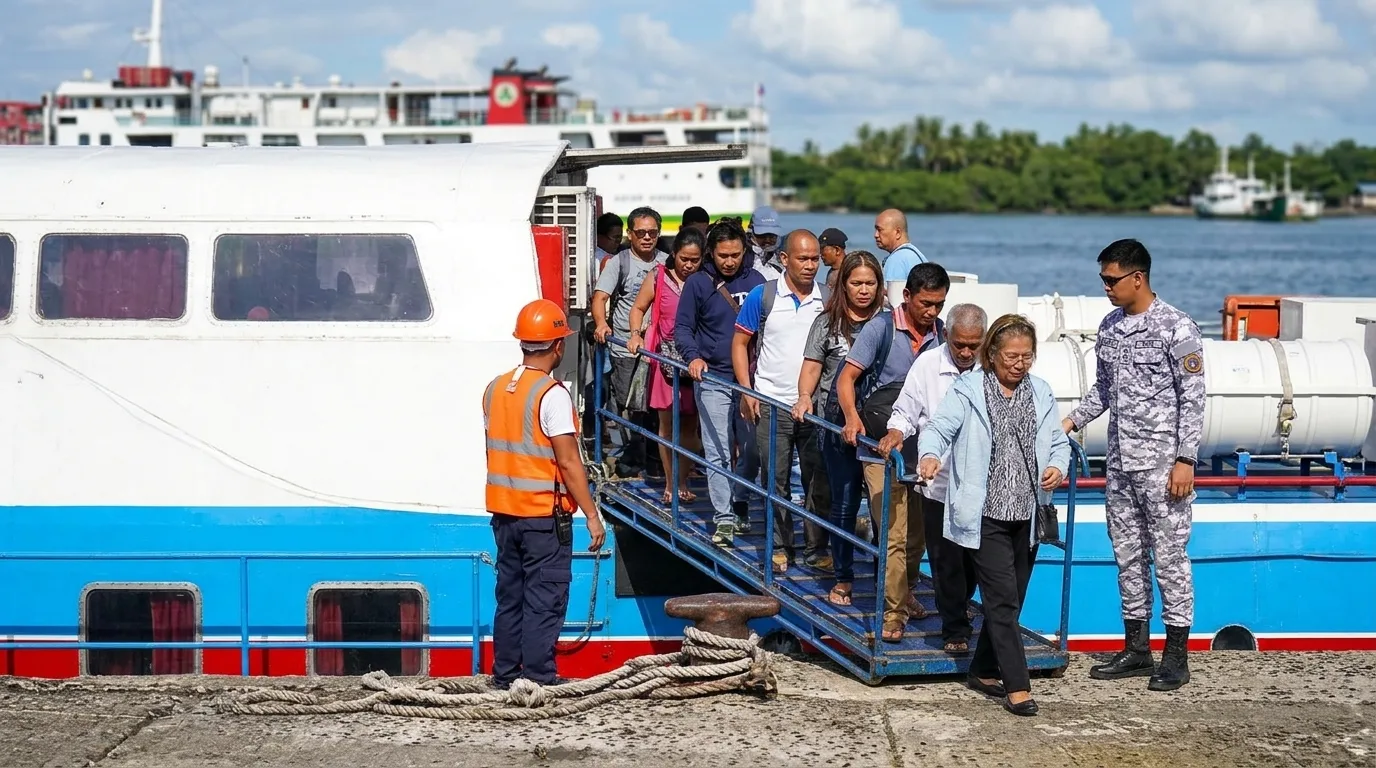
BACOLOD - The Coast Guard District Southern Visayas recorded 12,820 passengers at seaports across the Negros Island Region from November 1 to 2, 2026, during the observance of All Saints' Day and All Souls' Day. Of this number, 6,967 travelers were recorded on November 1, while another 5,853 were monitored the following day. The figures reflect the important role of sea transportation in connecting residents, families, and visitors across island communities, particularly during holidays when many people travel to spend time with relatives or return to their hometowns.
Inspections Help Maintain Safer Maritime Operations
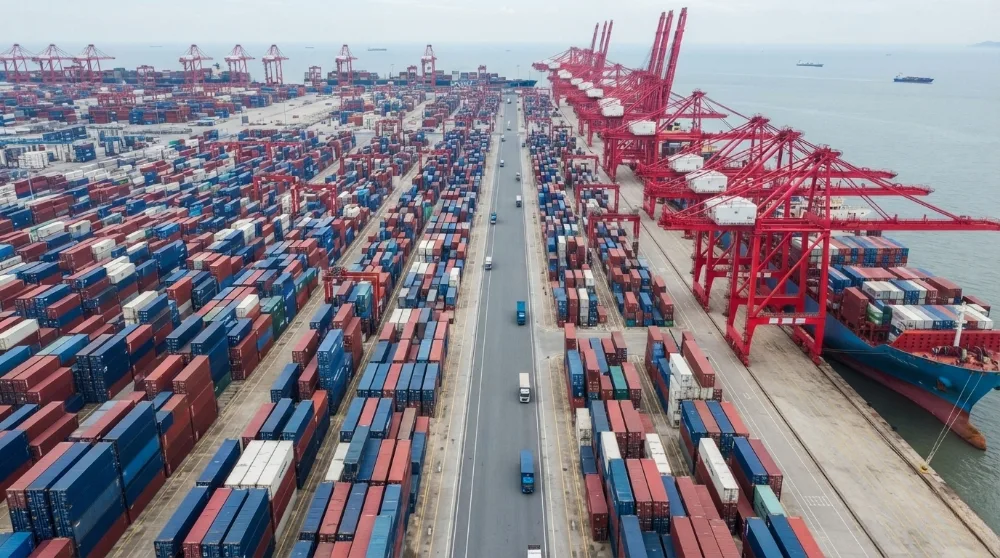
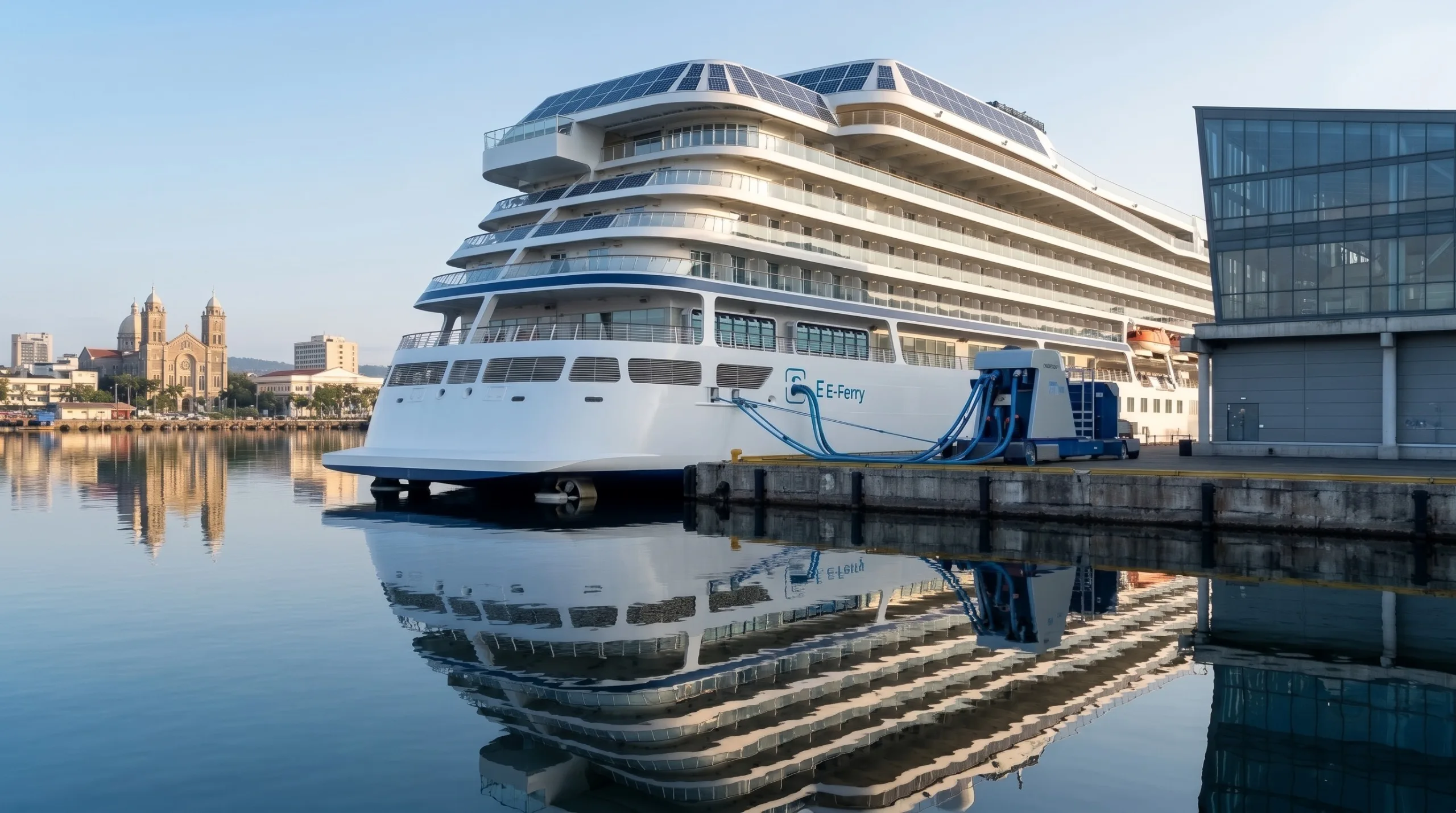
To support the increased movement of passengers and cargo, Coast Guard personnel inspected 70 vessels, 58 motorbancas, and 2,483 rolling cargo units during the two-day period. These activities help authorities monitor maritime operations and check compliance with safety requirements. The Coast Guard also deployed 544 personnel across the region as part of its Undas travel security preparations, assisting passengers and maintaining order at seaports. Such efforts are important during peak travel periods, when organized boarding procedures, vessel readiness, and clear passenger guidance can help reduce risks and improve the overall travel experience.
Emergency Response Remains Essential for Island Communities
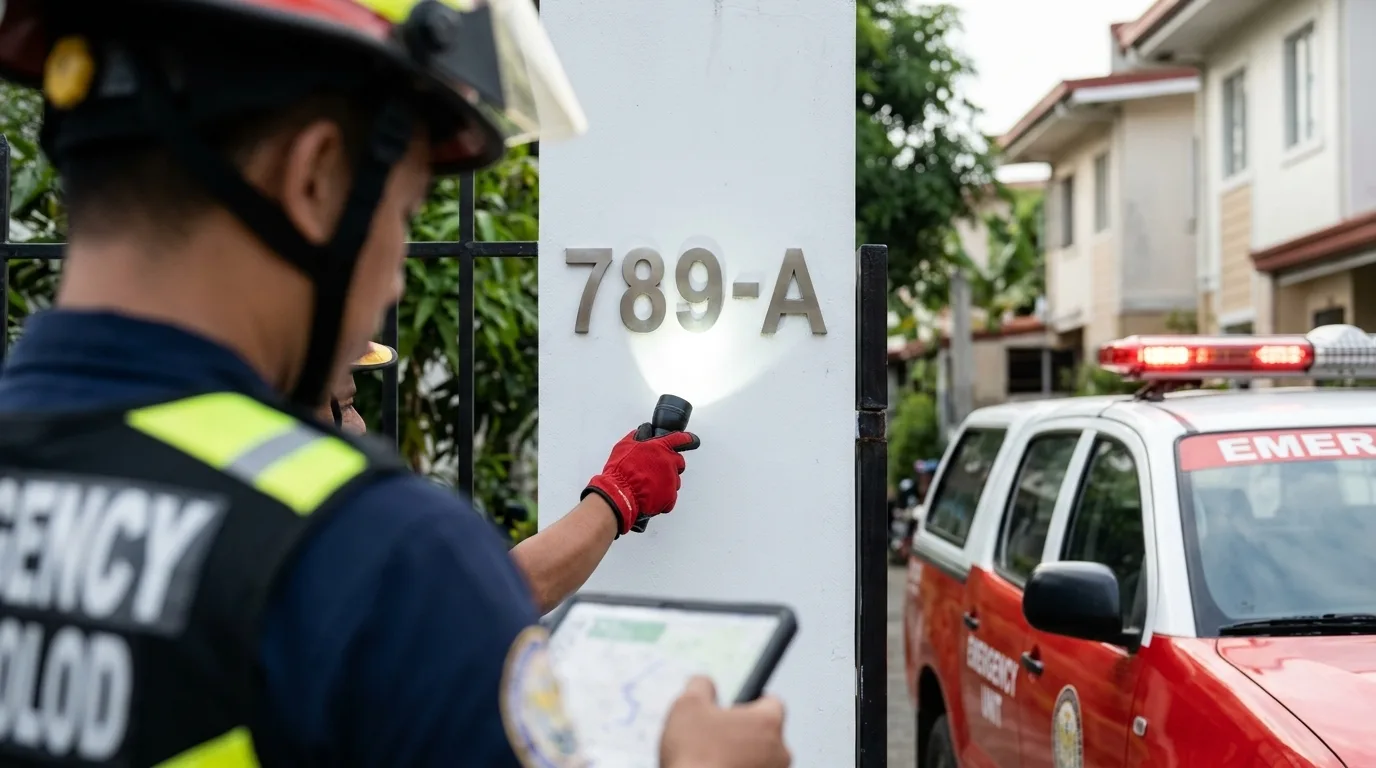
The holiday period also demonstrated the importance of having trained responders ready for maritime emergencies. On October 31, Coast Guard personnel rescued two fishermen after their motorized boat reportedly capsized off Sipaway Island in San Carlos City, Negros Occidental. Their safe recovery highlighted the value of timely search-and-rescue operations, particularly in communities where fishing and sea travel are part of everyday life. As passenger movement continues across the region, cooperation among port authorities, vessel operators, travelers, and emergency responders remains essential. Following safety instructions, using appropriate life-saving equipment, and reporting emergencies promptly can help protect everyone who depends on the sea for transportation and livelihood.